

Hyaluronic Acid Market
Hyaluronic Acid Market Size, Share, Trends, Growth, and Industry Analysis, By Grade (Cosmetic Grade, Pharmaceutical Grade, Food Grade), By Application (Dermal Fillers, Osteoarthritis, Ophthalmic, Vesicoureteral Reflux, Dietary Supplements), By End-User (Pharmaceutical Industry, Cosmetic Industry, Food Industry), Regional Analysis and Forecast Period 2026-2035
Hyaluronic Acid Market Overview
As per Econ Market Research analysis, the Global Hyaluronic Acid Market was estimated at US$ 12.32 Billion in 2026 and is forecast to attain US$ 23.58 Billion by 2035, expanding at a CAGR of 7.39% between 2026 and 2035. The base year for the study is 2025.
Hyaluronic Acid Market Size 2025-2035 (USD Billion)

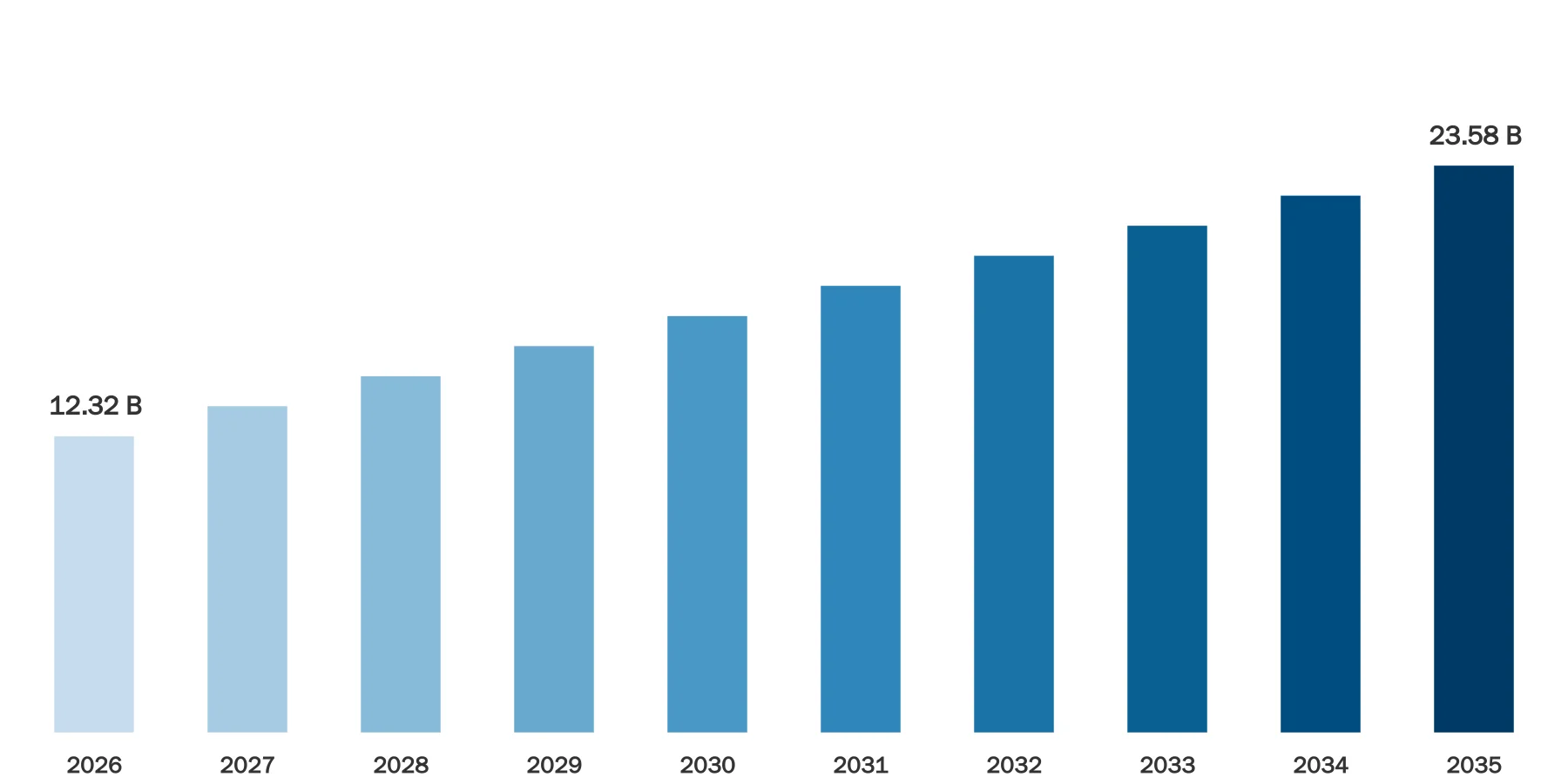
Source: Econ Market Research
The human body naturally contains hyaluronic acid, which is essential for preserving joint lubrication and skin hydration. Hyaluronic acid is frequently used in dermal fillers in the cosmetics industry to minimise wrinkles and fine lines, which has led to an increase in the popularity of non-surgical aesthetic procedures. Hyaluronic acid is also used by the medical industry in orthopaedic and ophthalmic applications, which drives market growth.
The market is characterized by a surge in research and development activities, leading to innovative product formulations with enhanced efficacy and safety profiles. Rising awareness about skincare and anti-aging solutions, coupled with advancements in medical treatments, has significantly propelled the hyaluronic acid market. Geographically, North America and Europe have emerged as key regions, with a substantial consumer base seeking cosmetic enhancements and medical treatments.
Hyaluronic Acid Dynamics
The convergence of factors from multiple industries shapes the global market for hyaluronic acid in a dynamic manner. The market for cosmetics is expanding rapidly as a result of consumers', growing preference for non-surgical aesthetic procedures. Hyaluronic acid-based dermal fillers are becoming more and more popular due to growing interest in skincare and anti-aging products as well as a desire to look younger.
Hyaluronic acid',s uses in orthopaedic and ophthalmic treatments have also increased as a result of medical advancements, supporting the market',s expansion within the healthcare sector. Research and development activities play a pivotal role in shaping the market dynamics, with companies continually innovating to enhance product efficacy and safety profiles. The pharmaceutical sector',s adoption of hyaluronic acid in Drug delivery systems and wound care products contributes to the diversification of applications beyond traditional uses. The aging global population, coupled with the increasing prevalence of osteoarthritis, further propels the demand for hyaluronic acid in medical applications.
Hyaluronic Acid Drivers
Rising Demand for Non-Surgical Aesthetic Procedures
One of the key drivers propelling the global hyaluronic acid market is the escalating demand for non-surgical aesthetic procedures. As consumers increasingly seek minimally invasive solutions for facial rejuvenation and anti-aging, hyaluronic acid-based dermal fillers have gained immense popularity. The aesthetic industry',s continuous innovation in cosmetic treatments, coupled with the versatile applications of hyaluronic acid in addressing wrinkles and fine lines, is fueling market growth. The desire for natural-looking results without the downtime associated with surgical interventions is pushing more individuals toward these injectable treatments, contributing significantly to the expansion of the hyaluronic acid market.
Expanding Medical Applications
The growing use of hyaluronic acid in various medical applications serves as another major driver for the market. In orthopedics, hyaluronic acid is employed for joint lubrication and pain relief in conditions such as osteoarthritis. Additionally, ophthalmic treatments utilize hyaluronic acid for eye surgeries and dry eye conditions. The versatility of hyaluronic acid in medical treatments, along with ongoing research and development efforts to explore new applications, positions it as a valuable component in the healthcare sector. The aging global population and the increasing prevalence of musculoskeletal and ophthalmic disorders further contribute to the expanding demand for hyaluronic acid in medical settings.
Restraints:
The high production costs of hyaluronic acid',s extraction and manufacturing processes are a major market restraint. High production costs are a result of the complex processes needed to obtain high-quality hyaluronic acid, which is frequently obtained from animal or microbial fermentation. The cost-sharing arrangement subsequently affects the affordability of products containing hyaluronic acid. The difficulty is in identifying sustainable and economically viable production techniques to lessen this restriction and increase the availability of hyaluronic acid for a larger range of consumers.
Stringent Regulatory Requirements
Stringent regulatory requirements and varying approval processes across different regions present a challenge for market players. Obtaining regulatory approvals for hyaluronic acid-based products, especially in the medical sector, involves rigorous testing and compliance with safety standards. Navigating through these regulatory hurdles not only requires substantial time and resources but also adds complexity to the market entry for new products. Addressing these regulatory challenges and streamlining approval processes will be crucial for sustained market growth.
Opportunities:
Advancements in Biotechnology
The ongoing advancements in biotechnology present a promising opportunity for the hyaluronic acid market. Innovations in fermentation technology, genetic engineering, and bioengineering techniques can potentially enhance the production efficiency of hyaluronic acid, leading to cost reduction and increased accessibility. Companies investing in cutting-edge biotechnological solutions have the potential to revolutionize the market landscape, meeting the growing demand for hyaluronic acid in various industries.
Segment Overview
By Grade
The segmentation of the hyaluronic acid market by grade encompasses three main categories &ndash, Cosmetic Grade, Pharmaceutical Grade, and Food Grade. Cosmetic Grade hyaluronic acid is primarily utilized in the cosmetic industry for dermal fillers and skincare products, contributing to its widespread use in aesthetic procedures. Pharmaceutical Grade hyaluronic acid holds significance in the pharmaceutical sector, playing a vital role in drug delivery systems, wound care products, and orthopedic treatments due to its biocompatibility and viscoelastic properties. Food Grade hyaluronic acid finds application in the food industry, particularly in dietary supplements, as a safe and effective ingredient with potential health benefits.
By End Users
The market for hyaluronic acid is divided into end users, which includes a wide range of industries. Hyaluronic acid is used by the pharmaceutical industry in ophthalmology and orthopaedics, among other medical specialties. Cosmetic Surgery Centres use dermal fillers, a non-surgical aesthetic procedure, to treat concerns related to ageing skin. These procedures use hyaluronic acid.
Hyaluronic acid is used in skincare treatments by dermatology clinics, which adds to the rising demand for dermatological applications. Hyaluronic acid is used by the food industry to formulate dietary supplements in response to the growing consumer interest in health and wellness. Hyaluronic acid',s benefits extend to Personal Care products, which include skincare and haircare products, broadening its appeal to a wider range of consumer segments.
By Application
The application-based segmentation highlights the versatility of hyaluronic acid across various industries. Aesthetics encompasses the use of hyaluronic acid in cosmetic procedures to enhance facial features and reduce signs of aging. Osteoarthritis treatment involves the application of hyaluronic acid for joint lubrication and pain relief, catering to the needs of the aging population.
Cosmetic applications extend beyond aesthetics, including skincare products that capitalize on hyaluronic acid',s hydrating and anti-aging properties. In the Dietary Supplements sector, hyaluronic acid is incorporated for potential health benefits, contributing to the growing nutraceutical market. Active Pharmaceutical Ingredient (API) applications involve the use of hyaluronic acid in various pharmaceutical formulations, reflecting its role as a key component in drug development. Finally, Ophthalmology applications utilize hyaluronic acid in eye surgeries and treatments for conditions such as dry eyes, underlining its importance in eye care solutions.
Hyaluronic Acid Overview by Region
North America stands as a prominent market, fuelled by a high prevalence of cosmetic procedures and a well-established healthcare sector. The region',s mature cosmetic industry, coupled with a growing aging population seeking anti-aging solutions, contributes significantly to the demand for hyaluronic acid in both aesthetic and medical applications.
In Europe, the hyaluronic acid market experiences robust growth, driven by a similar trend of increasing demand for cosmetic procedures and a strong emphasis on skincare. The European market benefits from a proactive regulatory environment that encourages innovation in cosmetic and medical applications of hyaluronic acid. Additionally, the presence of key market players and advancements in biotechnology further propels market expansion in the region.
The Asia-Pacific region emerges as a dynamic and rapidly growing market, attributed to the rising awareness of aesthetics, particularly in countries like China, Japan, and South Korea. Increasing disposable income, changing lifestyle trends, and a growing emphasis on personal appearance contribute to the surging demand for hyaluronic acid-based cosmetic procedures. Moreover, the pharmaceutical sector in the Asia-Pacific region explores the medical applications of hyaluronic acid, enhancing the market',s overall growth trajectory.
Hyaluronic Acid Market Competitive Landscape
Companies such as Anika Therapeutics, Inc., Allergan (AbbVie Inc.), Galderma S.A. (Nestle Skin Health S.A.), and Seikagaku Corporation are prominent contributors to the market, leveraging their extensive product portfolios and research and development capabilities. These companies focus on product innovation to introduce advanced formulations with improved efficacy and safety profiles, catering to the evolving demands of the cosmetic and medical sectors. Strategic collaborations, partnerships, and acquisitions are prevalent in the competitive landscape, enabling companies to expand their geographic presence and enhance their product offerings.
Additionally, the competitive scenario is shaped by the presence of both established pharmaceutical and cosmetic giants alongside smaller, specialized firms that focus on niche applications of hyaluronic acid. The strategic emphasis on expanding product applications beyond traditional uses, such as orthopedic treatments, wound care, and ophthalmology, underscores the dynamism within the market. As regulatory compliance and quality standards remain critical, key players continually invest in meeting and exceeding these requirements to maintain a competitive edge.
Hyaluronic Acid Market Leading Companies:
Allergan (AbbVie Inc.)
Sanofi-Aventis
Contipro A.S.
Bloomage Biotechnology Corporation Limited
Fufeng Group
Kewpie Corporation
Hyaluronic Acid Recent Developments
September 2023, after the prosperous introduction of its ground-breaking product, KioMedinevsone, in various European nations and the Middle East, KiOmed Pharma is making its debut in the French market through a strategic collaboration with Arsylab. Arsylab is a French biotechnology firm focused on creating and promoting inventive products aimed at enhancing the quality of life for patients.
Jan 2022, La Roche-Posay, a skincare brand endorsed by dermatologists, is launching National Hyaluronic Acid Day. The initiative aims to promote awareness of the significant hydrating advantages of hyaluronic acid, provide education on the correct usage of products containing this ingredient, and highlight its anti-aging properties.
Hyaluronic Acid Report Segmentation
Hyaluronic Acid Market Report Scope & Segmentation
| Attributes | Details |
|---|---|
Market Size (Current) | US$ 12.32 Billion in 2026 |
Market Size (Forecast) | US$ 23.58 Billion in 2035 |
Growth Rate | CAGR of 7.39% from 2026 to 2035 |
Forecast Period | 2026 – 2035 |
Base Year | 2025 |
Historical Data Available | Yes |
Regional Scope | Global |
Segments Covered | By Grade
By Application
By End-User
|
Frequently Asked Questions
Common questions about this report
The study period covers historical insights and forecast projections for the period 2026-2035.
About the Author
Market research expert with years of industry experience

Dipali Bhingare serves as the Market Research Director at Econ Market Research. With a focus on translating complex global economic shifts into actionable business intelligence, she oversees the strategic direction of comprehensive market studies. Her work empowers organizations to navigate volatile industries through data-driven forecasting and deep-dive competitive analysis.
Related Reports
Explore more market insights from the same category