

Hotel Furniture Market
Hotel Furniture Market Size, Share, Trends, Growth, and Industry Analysis, By Product Type (Furniture, Fixtures, Equipment (FFandamp;E)), By Material (Wood, Metal, Glass, Composite Materials), By Functional Area (Guest Rooms, Lobbies andamp; Reception, Restaurants andamp; Bars), Regional Analysis and Forecast Period 2026-2035
Market Overview
As per Econ Market Research analysis, the Global Hotel Furniture Market generated revenue of US$ 62.37 Billion in 2026 and is forecast to achieve US$ 112.8 Billion by 2035, at a CAGR of 6.8% during the study period 2026–2035. The base year considered is 2025.
Hotel Furniture Market Size 2025-2035 (USD Billion)

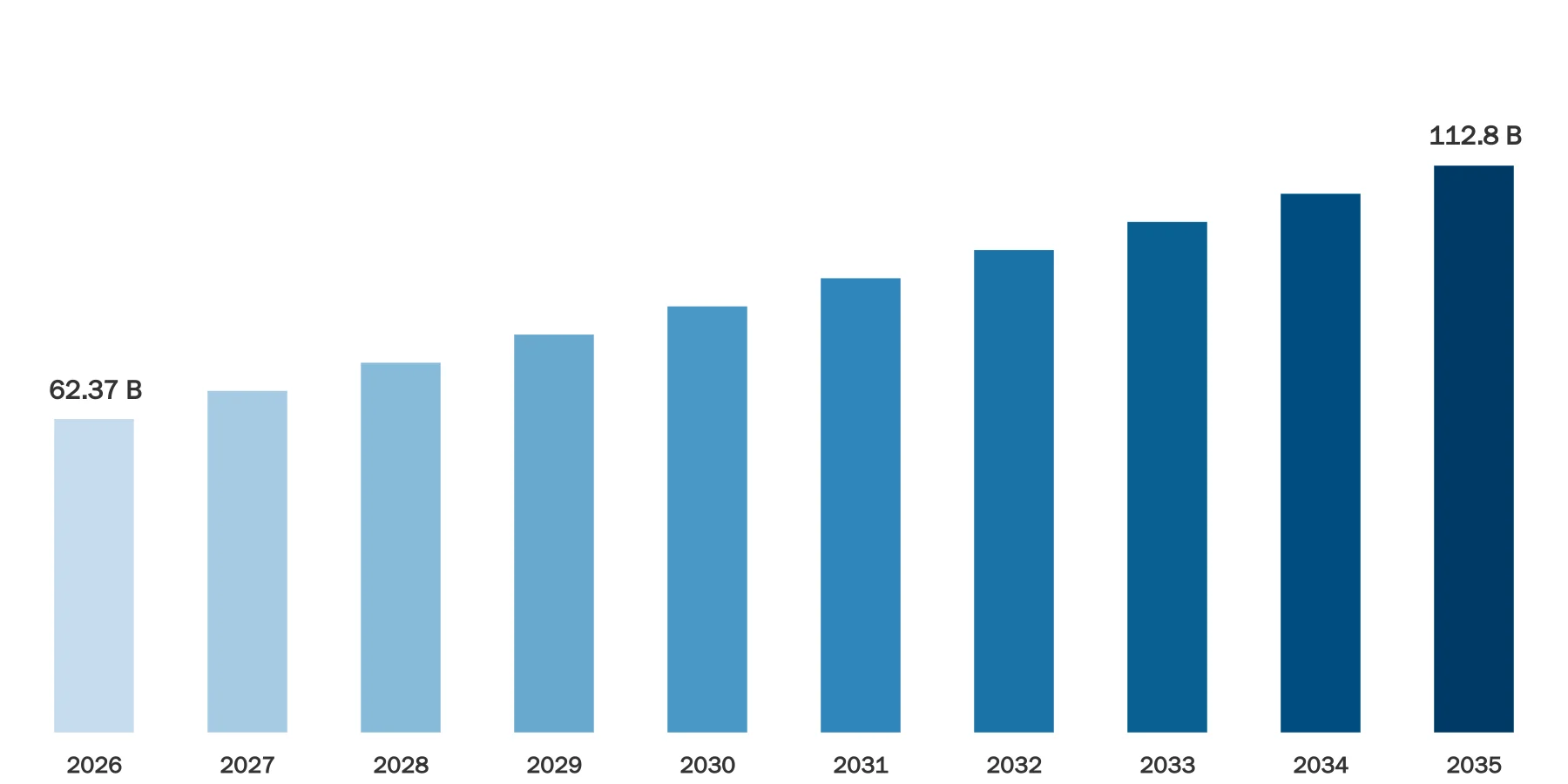
Source: Econ Market Research
The range of hotel furniture includes beds, sofas, chairs, tables, wardrobes, desks, and decorative items. These products are designed in line with the aesthetic, functional, and comfort requirements of the hospitality industry. The market encompasses luxury, boutique, budget, and extended-stay hotels. Growth in the travel and tourism industry, rising investment in the renovation of hotels, and a growing demand among consumers for pleasingly aesthetic and comfortable interiors are driving this market.
The global hotel furniture market grew remarkably, driven by an increase in new hotel constructions and the renovation of existing ones. Urbanization and rising disposable incomes, along with the increasing experiential form of travel, are driving developments in hotels all over the globe. Sustainable, eco-friendly furniture is also high in demand to reduce the overall environmental footprint for hotels. The growth in Asian-Pacific and the Middle East markets is fueled primarily by tourism in these economies while infrastructure developments occur. Simultaneously, through digital tools, such as AR, hoteliers can see what furniture solution look like to implement.
Dynamic Insights
Rapid urbanization, increasing disposable incomes, and changing consumer preferences toward luxurious and comfortable accommodations have driven demand for stylish and functional furniture. Moreover, the growth of boutique and themed hotels has increased the demand for customized and aesthetically appealing furniture to enhance guest experiences. However, the trend of sustainability also benefits the market because hoteliers prefer to make furniture out of recycled materials or responsibly sourced wood to align with environmental goals and meet consumer expectations for green practices.
The raw material price is uncertain, and so are transportation charges, affecting manufacturers', profit margins. Moreover, supply chain issues and labor scarcity during a crisis like the current COVID-19 pandemic have pushed back the completion and delivery timeline. In contrast, advancements like AR for viewing furniture and the modular designs available with flexibility boost growth opportunities. With increasing tourism and infrastructural projects, the growth is very robust for emerging economies such as Asia-Pacific and the Middle East. Growth is expected in the market through steady innovation with changing consumer demand, supported by strategic collaborations among manufacturers, designers, and hotel operators.
Drivers Insights
Growth in Tourism and Hospitality Industry
The expansion of the global tourism and hospitality industry is a key driver for the hotel furniture market. Rising disposable incomes, increasing leisure travel, and the growth of business tourism have LED to a surge in demand for hotel accommodations worldwide. This has prompted significant investments in new hotel construction and renovation projects, boosting the demand for stylish, durable, and functional furniture. For example, luxury hotels often require premium furniture that aligns with their branding and enhances guest experiences, while budget hotels prioritize cost-effective yet comfortable solutions. This broad spectrum of needs continues to fuel the market',s growth.
Rising Demand for Sustainable and Eco-Friendly Furniture
Consumers and hotel operators alike are increasingly prioritizing sustainability in their purchasing decisions. Hoteliers are adopting eco-friendly furniture made from renewable resources, recycled materials, or certified wood to align with environmental regulations and meet consumer preferences for sustainable practices. For instance, many hotels now invest in furniture with longer life cycles, reducing waste and promoting a green image. This shift toward sustainable solutions has opened new opportunities for manufacturers to innovate and cater to environmentally conscious buyers.
Restraints Insights
Fluctuations in Raw Material Prices
The hotel furniture market is heavily reliant on raw materials such as wood, metal, and textiles, whose prices can fluctuate due to supply chain disruptions, geopolitical tensions, or natural disasters. These price variations often lead to increased production costs, which may not always be passed on to customers. As a result, manufacturers face pressure on profit margins, particularly in competitive market segments like mid-range and budget hotels.
High Transportation and Logistics Costs
Furniture is bulky and requires careful handling, leading to high transportation and logistics costs. The complexity of delivering large shipments to hotels in remote or urban areas further adds to the expense. These costs can be a significant barrier for smaller manufacturers or suppliers with limited resources, potentially hindering market entry or expansion.
Opportunities Insights
Advancements in Technology and Modular Designs
The adoption of advanced technologies, such as Augmented Reality (AR) and 3D visualization tools, has revolutionized the furniture-buying process for hotels. These tools enable hoteliers to visualize furniture arrangements and select designs that best suit their needs, simplifying decision-making and fostering collaboration with manufacturers. Additionally, modular furniture designs, which offer flexibility and space optimization, are increasingly gaining popularity among hotel operators, creating avenues for innovation and growth in the market.
Segment Analysis
By Product Type
The product type of the global hotel furniture market is an extensive portfolio of furniture pieces that are necessary for a hotel, including beds, chairs, tables, sofas, wardrobes, and many specialized items. Every single one of these product types carries a specific role in hotel spaces, such as comfort and sleeping in guest rooms with beds, sitting and socializing with chairs and sofas in lobbies, restaurants, and lounges.
Tables, which are located mainly within the guest room and dining areas, fulfill the purpose of functionality. Wardrobes meet the demand for storage in the guest room. Other furniture products might include dressers, mirrors, nightstands, and desks, all designed to enhance the guest stay and ambiance of a hotel. Demand for each type of product is also influenced by the category of the hotel (luxury vs. budget), location, and the changing design trends, which have become more comfort-oriented, durable, and aesthetically pleasing.
By Material
The material segment in the hotel furniture market includes a wide variety of options such as wood, metal, plastic, glass, and upholstered materials. Each material offers distinct advantages that influence design choices and durability. Wood is a popular choice for hotel furniture due to its timeless appeal, versatility, and ability to blend with various interior styles, from traditional to contemporary.
Metal furniture is valued for its strength, sleek design, and industrial look, particularly in modern or minimalist hotels. Plastic is lightweight, cost-effective, and resistant to wear, making it suitable for both indoor and outdoor furniture. Glass furniture, known for its elegance and modern touch, is commonly used in luxury and boutique hotels, offering a contemporary aesthetic. Upholstered furniture, including sofas and chairs, is widely used for comfort and style, allowing for a variety of fabrics and textures to cater to different hotel themes and guest expectations.
By Application
The application segment for hotel furniture spans various areas within hotels, including guest rooms, lobbies and reception areas, restaurants and bars, outdoor spaces, and conference rooms. Each area requires specific furniture solutions designed for both aesthetic appeal and functionality. Guest rooms require comfortable and durable furniture such as beds, chairs, desks, and wardrobes to provide a pleasant stay for guests.
Lobbies and reception areas often feature stylish sofas, chairs, and tables that create a welcoming environment and provide comfort for guests upon arrival. In restaurants and bars, furniture is selected for both functionality and atmosphere, with chairs, tables, and bar stools tailored to different dining experiences. Outdoor spaces, such as patios and poolside areas, use weather-resistant furniture made of materials like plastic, metal, or wicker.
By Distribution Channel
The distribution channel segment in the hotel furniture market includes both online and offline sales methods. Online sales have been growing rapidly, driven by the convenience and ability to compare various furniture products, styles, and prices from different manufacturers and suppliers. The online channel also allows for easier access to customer reviews, enabling hotel operators to make informed purchasing decisions.
On the other hand, the offline distribution channel includes traditional brick-and-mortar stores, showrooms, and direct sales, where buyers can physically inspect and test the furniture before making a purchase. This segment is especially significant for hoteliers who prefer to see and feel the furniture to ensure quality, design, and comfort. In addition, offline sales allow for personalized consultations and often offer customized furniture solutions based on the specific needs of hotels.
Regional Analysis
North America, particularly the United States and Canada, holds a significant share in the market due to the region',s strong hotel infrastructure, high demand for luxury and premium accommodations, and a focus on hotel renovation and modernization. The increasing preference for sustainable and high-quality furniture has also boosted the demand for eco-friendly products in this region.
Europe is the next giant, which observes hotels growing significantly in countries like the United Kingdom, Germany, and France. Since the hospitality sector in Europe is very competitive, innovations in design are highly essential, thus seeing much emphasis put on customized, comfortable, and attractive hotel furniture. Other than that, boutique hotels and ecologizing designs continue to take the main focus among European consumers.
The Asia-Pacific region is experiencing the highest growth rate in the hotel furniture market, primarily due to rapid urbanization, increasing disposable incomes, and the expanding middle class in countries like China, India, and Japan. With a strong demand for furniture in all segments of hotels, a rapidly growing tourism industry and substantial investments in hotel construction, particularly in emerging markets, are propelling the demand for furniture in this sector.
The boom in hotel development in the Middle East is another example, which is happening with great momentum, especially in countries like the UAE, Saudi Arabia, and Qatar, due to large-scale tourism initiatives, luxury developments, and government investments in infrastructure. All this has brought up a new demand for premium and customized hotel furniture solutions.
Competitive Landscape
Key players in the market are big global brands including IKEA, Steelcase, HNI Corporation, and Ashley Furniture that offer a wide assortment of furniture for hotels. It is these manufacturers that have shown the ability to provide both standardized high-quality goods and customized products to meet different needs of hospitality. Most of these companies focus on innovation, sustainability, and offering personalized services to meet the demands of the hotel sector, including boutique, luxury, and budget hotels.
In addition to the large multinational players, many regional players have also dominated the market with the provision of local solutions and competitive pricing. Examples include Kettal and Moroso companies in Europe, which have specialized in high-end, design-driven products. Featherlite and Godrej &, Boyce, on the other hand, are gaining prominence in the Asia-Pacific region as cost-effective manufacturers able to provide customization. Regional players often use local production and sourcing advantages to stay ahead of the competition. Increasingly, sustainable and eco-friendly products have also encouraged new entrants to adopt green materials and production processes that appeal to the growing number of environmentally conscious hotel operators.
Strategic partnerships and collaborations between furniture manufacturers, designers, and hotel chains are becoming increasingly common as companies aim to offer integrated, tailored solutions for hotels. Companies are also adopting digital tools, such as augmented reality (AR), to provide clients with interactive ways to visualize furniture in their hotel spaces. In the increasingly competitive market, maintaining quality, innovation, and sustainability will be key for players to secure long-term growth and a strong market position.
List of Key Players:
Innvision Hospitality, Inc.
Beyer Brown
Avendra, LLC.
Andreu World
Kimball International
Consolidated Hospitality Supplies (CHS)
Milliken &, Company
Hotel Spec International, Inc.
Benjamin West
Carroll Adams
Hotel Furniture Report Segmentation
Hotel Furniture Market Report Scope & Segmentation
| Attributes | Details |
|---|---|
Market Size (Current) | US$ 62.37 Billion in 2026 |
Market Size (Forecast) | US$ 112.8 Billion in 2035 |
Growth Rate | CAGR of 6.8% from 2026 to 2035 |
Forecast Period | 2026 – 2035 |
Base Year | 2025 |
Historical Data Available | Yes |
Regional Scope | Global |
Segments Covered | By Product Type
By Material
By Functional Area
|
Frequently Asked Questions
Common questions about this report
The study period covers historical insights and forecast projections for the period 2026-2035.
About the Author
Market research expert with years of industry experience

Related Reports
Explore more market insights from the same category