

Hardware Wallets Market
Hardware Wallets Market Research Report: Information Based on By Type (Hot Wallet, Cold Wallet), By Connection (Near Field Communication, USB, Bluetooth), By Distribution Channel (Commercial, Individual), By the End-User (Online, Offline), and Region (North America, Europe, Asia-Pacific, and Rest of the World) Global Industry Analysis, Size, Share, Growth, Trends, Regional Analysis, Competitor Analysis and Forecast
Market Overview
As per Econ Market Research analysis, the Global Hardware Wallets Market was valued at approximately US$ 0.83 Billion in 2026 and is predicted to reach US$ 4.77 Billion by 2035, expanding at a CAGR of 21% over the forecast duration. The base year is 2025.
Hardware Wallets Market Size 2025-2035 (USD Billion)

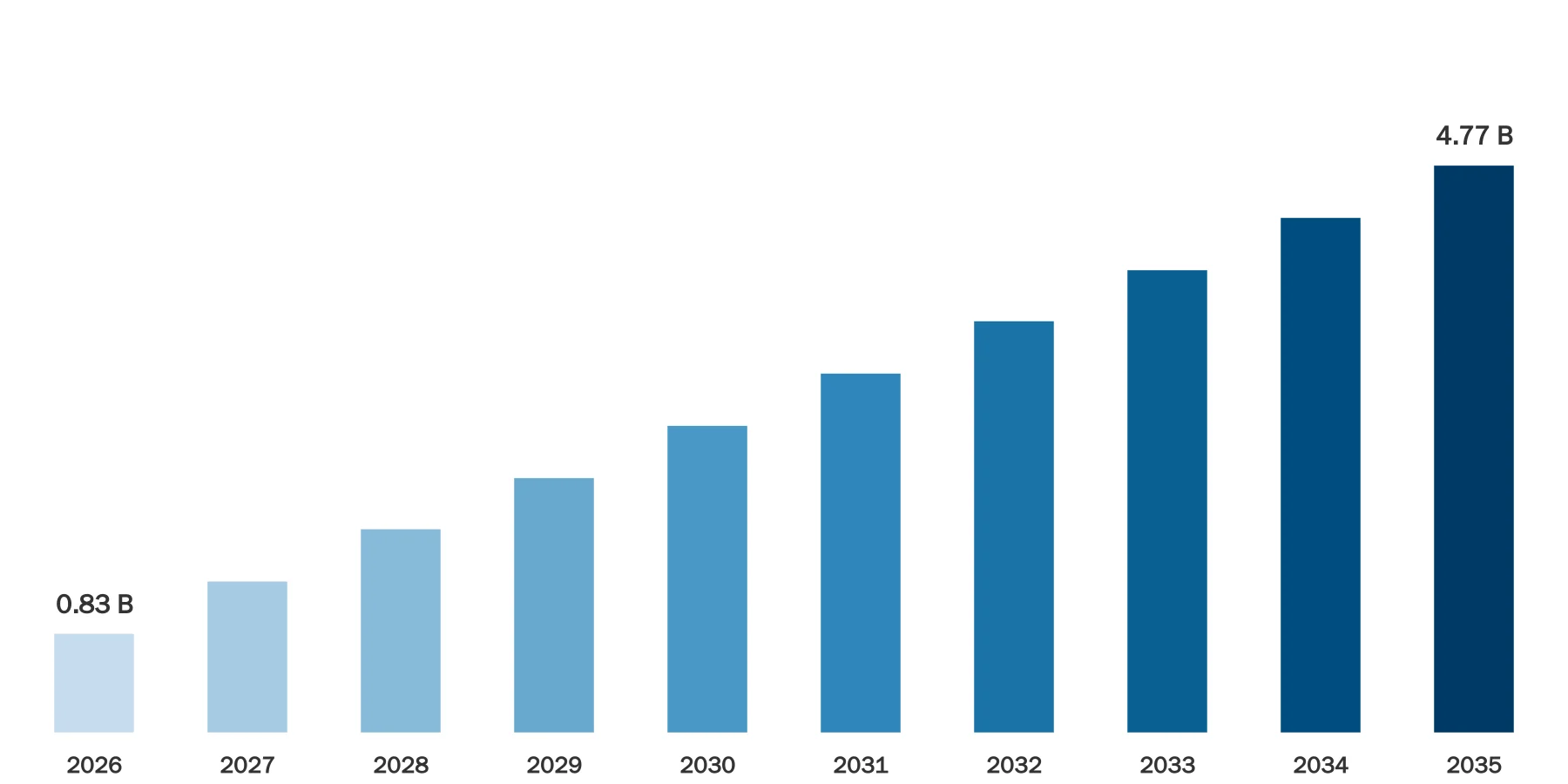
Source: Econ Market Research
Hardware wallets can be seen as simplified computers designed for essential tasks. With minimal buttons and a small screen, their purpose is to perform important activities securely. Unlike regular computers, hardware wallets lack internet connectivity, making it extremely challenging for hackers to gain access to the stored assets. When a user initiates cryptocurrency transactions or interacts with their wallet, the transaction is digitally signed using a private key. Hardware wallets facilitate this process by utilizing a crypto bridge, a software component that enables the secure connection between the hardware wallet and the blockchain, ensuring the integrity and safety of the transactions.
Market Dynamics
Factors such as the increasing adoption of cryptocurrencies and rising cybersecurity concerns drive market growth. Technological advancements, regulatory factors, and strategic partnerships create opportunities for market expansion. However, challenges such as government regulations and the complexity of blockchain technology are expected to hinder market growth. These dynamics shape the hardware wallet market, which aims to provide secure storage solutions for digital assets and meet the evolving needs of individuals and businesses in the cryptocurrency ecosystem.
Market Drivers
The hardware wallet market is witnessing significant growth due to the exponential increase in cryptocurrency transactions worldwide. Cryptocurrency has become a popular and trending topic, with many companies globally accepting various digital currencies as payment. The value of cryptocurrencies has soared in recent years, leading to substantial market capitalization. As transaction volumes continue to rise, the associated risk of malware attacks becomes a significant concern. Software-based wallets are particularly vulnerable to such attacks, driving the growing preference for hardware-based wallets that offer enhanced security for safeguarding sensitive bitcoin keys.
Restraints
The implementation of government regulations on cryptocurrencies and the increasing concerns regarding the privacy and security of digital currencies are anticipated to pose challenges to the growth of the global hardware wallet market. These factors cN hinder the widespread adoption of hardware wallets as users navigate regulatory requirements and seek enhanced privacy and security measures. However, the market for hardware wallets is driven by the growing need for secure storage and management of digital assets, which remains a key driver for market growth.
Opportunities
The adoption of a cryptocurrency public ledger system and the resulting need for secure storage and management of digital assets create opportunities for the global hardware wallet market. As users recognize the importance of maintaining transparency, reducing errors, and safeguarding financial data, the demand for hardware wallets increases. This presents an opportunity for hardware wallet providers to develop innovative and secure solutions that cater to the growing market needs. By offering enhanced security features, user-friendly interfaces, and compatibility with various cryptocurrencies, hardware wallet manufacturers can capitalize on the opportunity to meet the rising demand and drive market growth.
Segment Overview
By Type
The hardware wallet market is segmented based on the type of wallets offered, including hot wallets and cold wallets. Hot wallets are connected to the internet and allow for easy and convenient access to cryptocurrencies but may have higher security risks. Cold wallets, on the other hand, are offline and provide enhanced security by storing private keys offline. This segmentation offers users a choice between convenience and security, catering to their specific needs and preferences in safeguarding their digital assets.
By Connection
The hardware wallet market is segmented based on the type of connection used, including Near Field Communication (NFC), USB, and Bluetooth. NFC-enabled hardware wallets allow for seamless communication with compatible devices, providing quick and easy transactions. USB-based wallets offer a reliable and secure connection, often preferred for their stability and compatibility. Bluetooth-enabled wallets provide wireless connectivity, allowing for convenient access and mobility. This segmentation provides users with options to choose a hardware wallet that aligns with their connectivity preferences and requirements for managing their digital assets securely.
By Distribution Channel
The hardware wallet market is segmented based on the distribution channels, including commercial and individual channels. Commercial distribution channels involve partnerships with retailers, online platforms, and cryptocurrency exchanges to sell hardware wallets to businesses and institutions. Individual distribution channels cater directly to consumers, offering hardware wallets through online marketplaces, e-commerce platforms, and dedicated websites. This segmentation allows hardware wallet manufacturers to reach different customer segments, providing tailored solutions for businesses and individuals seeking secure storage for their cryptocurrencies.
By End User
The hardware wallet market is segmented based on the end-users, including online and offline users. Online end-users primarily engage in cryptocurrency transactions and storage through digital platforms, such as cryptocurrency exchanges and online wallets. Offline end-users, on the other hand, prefer physical access to their hardware wallets and conduct transactions through offline means, such as physical stores or direct peer-to-peer interactions. This segmentation caters to the diverse preferences and needs of users, providing options for both digital and physical interactions in securing and managing their cryptocurrency assets.
Hardware Wallets Market Overview by Region
The Asia-Pacific region is poised to experience the highest compound annual growth rate (CAGR) in the hardware wallet market during the forecast period. This growth can be attributed to the increasing volume of cryptocurrency transactions in the region and the corresponding rise in the demand for secure storage solutions. Additionally, the region has witnessed a surge in malware attacks targeting online wallets, further driving the adoption of hardware wallets as a more secure alternative for cryptocurrency storage and transactions.
North America is projected to witness a robust CAGR in the hardware wallet market during the forecast period. The region',s increasing adoption of cryptocurrencies, rising concerns over cybersecurity, and the need for secure storage solutions for digital assets contribute to this growth. Additionally, the presence of well-established technology infrastructure, favourable regulatory environment, and growing investments in blockchain technology further propel the demand for hardware wallets. North America presents significant opportunities for market players to capitalize on the growing demand and expand their market presence in the region.
Competitive Landscape
The hardware wallet market is characterized by intense competition among several well-established companies striving to capture market share. These companies engage in a highly competitive landscape to offer innovative and secure hardware wallet solutions to meet the increasing demand for cryptocurrency storage and management. With a focus on enhancing security features, user experience, and compatibility with multiple cryptocurrencies, market players continually invest in research and development to stay ahead of the competition. Additionally, strategic partnerships, acquisitions, and product expansions are common strategies employed by key players to strengthen their market position and gain a competitive edge in the hardware wallet market.
Key Players
ARCHOS
BitLox Limited
CoolBitX Technology Ltd.
ELLIPAL Limited
Ledger SAS
OPOLO SARL
SatoshiLabs s.r.o.
ShapeShift AG
Shift Crypto AG
zSofitto NV (Sugi)
Coinkite Inc.
SHIFT Crypto AG (BitBox)
Penta Security Systems Inc.
CoolWallet (CoolBitX Technology Ltd.)
Recent Developments
In May 2023, UniPass, a provider of smart contract wallets, and Keystone, a developer of hardware wallets, have come together to establish Account Labs. This partnership represents a strategic move aimed at harnessing their collective knowledge and concentrating on pioneering an exceptional Web3 Account Abstraction solution. The ultimate goal is to make Web3 products accessible to a wide audience, ushering in hundreds of millions of users into the realm of Web3 technology.
In Dec 2022, Ledger, the digital asset security company, has unveiled a new device named Ledger Stax, as detailed in a press release provided to NFT Now. Ledger Stax employs a USB-C connection for laptop connectivity and utilizes Bluetooth to establish a connection with the Ledger Live Mobile app on smartphones. Additionally, when paired with the upcoming crypto wallet extension called Ledger Connect, it will have the capability to connect to Web3 applications. Furthermore, Ledger Stax offers support for wireless Qi charging
Hardware Wallets Market Report Scope & Segmentation
| Attributes | Details |
|---|---|
Market Size (Current) | US$ 0.83 Billion in 2026 |
Market Size (Forecast) | US$ 4.77 Billion in 2035 |
Growth Rate | CAGR of 21% from 2026 to 2035 |
Forecast Period | 2026 – 2035 |
Base Year | 2025 |
Historical Data Available | Yes |
Regional Scope | Global |
Segments Covered | By Connection Type
By End-User
By Distribution Channel
|
Frequently Asked Questions
Common questions about this report
The study period covers historical insights and forecast projections for the period 2026-2035.
About the Author
Market research expert with years of industry experience

Related Reports
Explore more market insights from the same category