

Habit Tracking Apps Market
Habit Tracking Apps Market Size, Share, Trends, Growth, and Industry Analysis, By Platform (iOS, Android, Others), By Application (Personal Use, Professional Use), Regional Analysis and Forecast Period 2026-2035
Habit Tracking Apps Market Overview
As per Econ Market Research analysis, the Global Habit Tracking Apps Market was valued at approximately US$ 14.94 Billion in 2026 and is predicted to reach US$ 50.18 Billion by 2035, expanding at a CAGR of 14.41% over the forecast duration. The base year is 2025.
Habit Tracking Apps Market Size 2025-2035 (USD Billion)

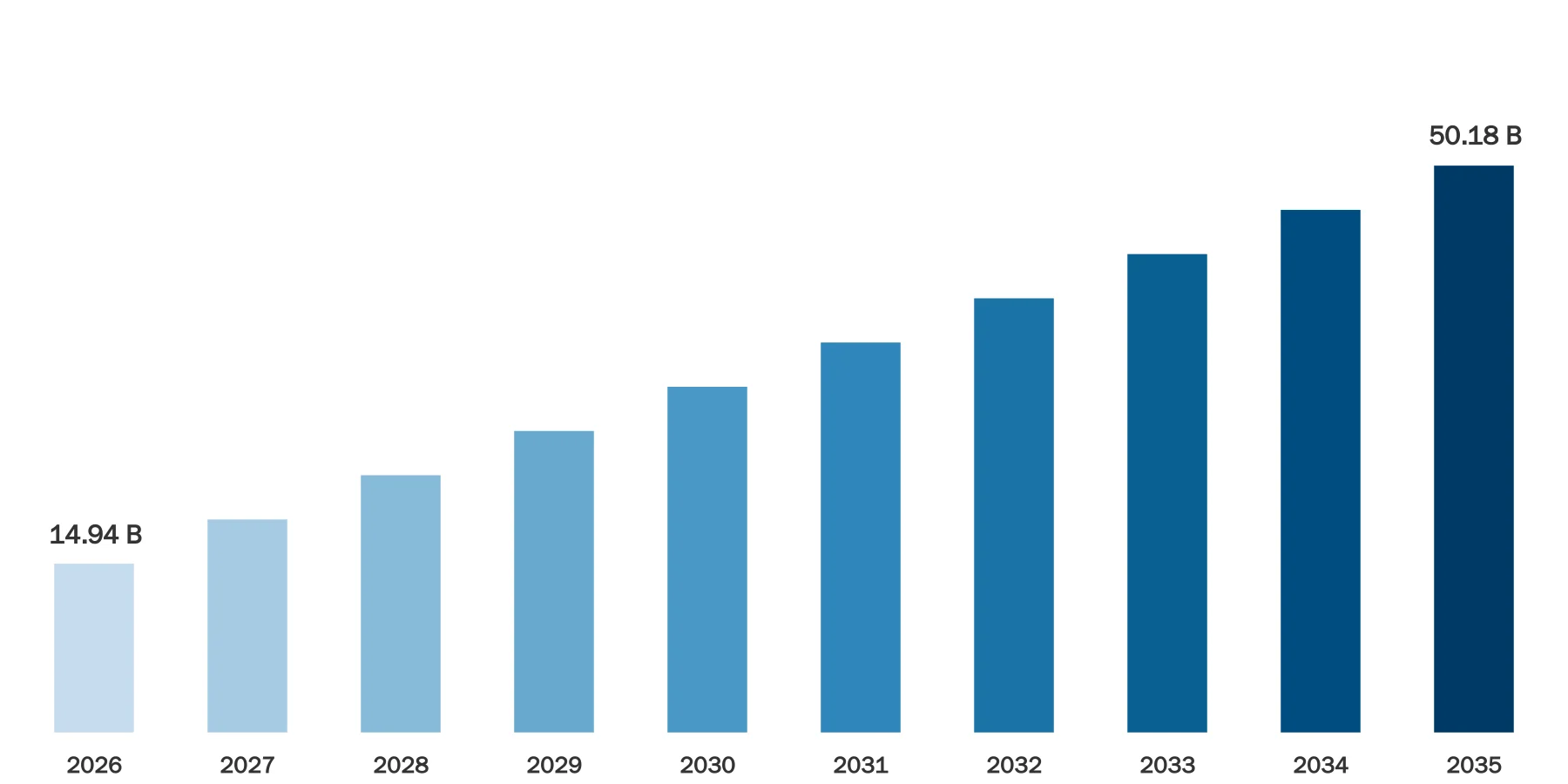
Source: Econ Market Research
The Global Habit Tracking Apps industry develops software applications aimed at assisting people in monitoring and enhancing their daily habits and routines. These apps enable users to establish goals, monitor their progress, and receive reminders to stay consistent in their habits. Due to the popularity of smartphones and the growing emphasis on maintaining healthy habits, the habit tracking app market has experienced substantial growth in recent times. These apps cater to a diverse array of habits such as fitness, nutrition, productivity, and mental wellness, providing users with tailored resources to help them reach their objectives and live healthier lives.
With the increasing desire for better health and efficiency, the popularity of habit tracking apps is growing worldwide. These apps provide users with the flexibility to track their habits at any time and place, using their smartphones or other devices. Advancements in technology, like Artificial Intelligence and Data Analytics, further enhance the user experience by offering personalized insights and suggestions based on individual behaviours and preferences. Given the growing importance on staying healthy and bettering oneself, the habit tracking apps industry is poised to keep expanding. This is due to the increasing awareness about health and the need for effective methods to better organize daily activities and reach individual objectives.
Habit Tracking Apps Dynamics
The popularity of Habit Tracking Apps is influenced by a variety of factors. One significant factor is the increasing focus on health and wellness worldwide, which has created a demand for apps that can assist individuals in adopting and sticking to healthier habits. This trend is driven by a growing understanding of the importance of preventative healthcare and the need for personalized solutions to achieve specific health and lifestyle objectives. Furthermore, the shift towards remote work and digital lifestyles has resulted in a greater dependence on technology for managing daily schedules and improving productivity, which in turn has boosted the use of habit tracking apps.
Technology advancements are key in influencing habit tracking apps', market dynamics. Artificial intelligence, machine learning, and data analytics allow these apps to provide personalized experiences like goal-setting, progress tracking, and behaviour insights. This customization boosts user engagement and satisfaction, fuelling market growth. Additionally, integrating habit tracking features into smartphones, smartwatches, and fitness trackers extends app reach and makes them more accessible to a broader audience.
Habit Tracking Apps Drivers
Increasing Health Consciousness
As awareness grows about the significance of maintaining healthy habits for overall well-being, the popularity of habit tracking apps is increasing. People are looking for ways to monitor their fitness, nutrition, sleep, and mental wellness in order to reach their health objectives. These apps offer a simple and easy way for users to keep track of their advancement, establish objectives, and get customized suggestions, leading to the expansion of the market.
Changing Lifestyles and Work Patterns
With the shift towards more desk lifestyles and the rise of remote work arrangements, people are paying more attention to their personal health and well-being. Spending more time indoors and constantly using digital devices has created a demand for tools that can assist individuals in developing and sustaining healthy habits. Habit tracking apps serve as a convenient and customizable solution for users to track their daily behaviours, stay physically active, and cope with stress, all of which cater to the evolving lifestyle preferences of contemporary society.
Habit Tracking Apps Restraints:
Privacy Concerns
Although habit tracking apps offer numerous advantages, worries over data privacy and security continue to hold back market expansion. Many individuals are hesitant to disclose personal details like daily habits, health data, and behavioural trends due to concerns regarding potential data leaks or exploitation. This hesitance could impede user uptake and restrict the ability of habit tracking apps to deliver tailored suggestions and valuable insights.
Limited User Engagement
Maintaining user interest over time can be tough for habit tracking apps. Even though users can start with the best of intentions, sticking to habits and using the apps consistently can be a struggle. Factors like app fatigue, a lack of motivation, and other priorities can lead users to lose focus over time. This can ultimately decrease the impact of habit tracking apps in helping users change their behaviour and reach their goals in the long run.
Habit Tracking Apps Opportunities:
Expansion into Corporate Wellness Programs
Businesses can benefit from habit tracking apps by providing customized solutions for employee health and productivity. By working with employers, these apps can offer valuable insights into employee behaviours and health trends, allowing businesses to introduce wellness programs and rewards. This collaboration not only helps employees develop healthier habits but also opens up new opportunities for habit tracking app developers to generate revenue and attract more users.
Segment Overview
By Type
By type, the habit tracking apps market is segmented into, Android habit tracking apps capitalize on the widespread adoption of Android devices, offering a diverse range of features and customization options to users across smartphones and tablets. On the other hand, iOS habit tracking applications are designed to smoothly work within Apple',s ecosystem, offering a top-notch user experience that is tailored for iPhones, iPads, and Apple Watches. These platforms cater to individual user needs, leading to increased creativity and rivalry in the market.
By Application
By application, habit tracking apps serve both adults and teenagers, addressing diverse lifestyle needs and wellness goals. Apps designed for adults typically concentrate on managing holistic health, covering aspects such as physical fitness, diet, getting things done, and mental well-being. These applications provide a wide range of resources for setting goals, keeping track of progress, and analysing behaviours, thus enabling individuals to adopt beneficial lifestyle modifications.
Conversely, habit-tracking apps geared towards teenagers prioritize simplicity, incorporating elements of game play and social engagement to captivate younger users and encourage the development of healthy routines. Through customization of features and content for distinct age demographics, habit-tracking applications successfully cater to the differing requirements and desires of users at changing stages of life.
Habit Tracking Apps Overview by Region
The market for habit tracking apps is influenced by different factors in various regions, such as technological advancements, cultural views on health and wellness, and economic growth. In places like North America and Europe where technology is advanced, there is a high usage of smartphones and a strong emphasis on personal health, leading to a high demand for habit tracking apps.
These regions see quick development and integration of new features due to the tech-savvy population looking for advanced health management solutions. On the other hand, in emerging markets like Asia-Pacific and Latin America, the increase in smartphone ownership and the growing health awareness among city populations are driving the popularity of habit tracking apps. Different countries within regions can have changing cultural attitudes towards health and digital adoption rates. This means that app developers need to customize their strategies to suit the local preferences and market conditions.
Habit Tracking Apps Market Competitive Landscape
Established companies such as Fitbit, MyFitnessPal, and Headspace dominate the market with comprehensive platforms that cater to diverse wellness needs, including fitness tracking, nutrition management, and mindfulness Meditation. These incumbents leverage their brand recognition, large user bases, and extensive feature sets to maintain competitive advantages and drive user engagement. Meanwhile, newer entrants and start-ups, such as Habitica and Fabulous, disrupt the market with unique approaches, such as gamification and habit formation coaching, targeting specific niches within the broader wellness market. Furthermore, companies such as Apple and Google are further establishing themselves in the industry by incorporating habit tracking functionalities into their systems. They are utilizing their substantial resources and wide user base to provide cohesive experiences on all devices.
Habit Tracking Apps Market Leading Companies:
Fitbit, Inc.
MyFitnessPal, Inc.
Headspace Inc.
Habitica, Inc.
Fabulous, Inc.
Apple Inc.
Google LLC
Samsung Electronics Co., Ltd.
Garmin Ltd.
Noom, Inc.
Lifesum AB
Runtastic GmbH
Strava, Inc.
Calm.com, Inc.
Sleep Cycle AB.
Habit Tracking Apps Report Segmentation
Habit Tracking Apps Market Report Scope & Segmentation
| Attributes | Details |
|---|---|
Market Size (Current) | US$ 14.94 Billion in 2026 |
Market Size (Forecast) | US$ 50.18 Billion in 2035 |
Growth Rate | CAGR of 14.41% from 2026 to 2035 |
Forecast Period | 2026 – 2035 |
Base Year | 2025 |
Historical Data Available | Yes |
Regional Scope | Global |
Segments Covered | By Platform
By Application
|
Frequently Asked Questions
Common questions about this report
The study period covers historical insights and forecast projections for the period 2026-2035.
About the Author
Market research expert with years of industry experience

Dipali Bhingare serves as the Market Research Director at Econ Market Research. With a focus on translating complex global economic shifts into actionable business intelligence, she oversees the strategic direction of comprehensive market studies. Her work empowers organizations to navigate volatile industries through data-driven forecasting and deep-dive competitive analysis.
Related Reports
Explore more market insights from the same category