

Golf Cart and NEV Market
Golf Cart and NEV Market Size, Share, Trends, Growth, and Industry Analysis, By Type (Golf Cart, Neighborhood Electric Vehicle), By Propulsion (Electric, Gasoline, Solar), By Application (Golf Courses, Commercial, Personal), Regional Analysis and Forecast Period 2026-2035
Golf Cart and NEV Market Overview
As per Econ Market Research analysis, the Global Golf Cart and NEV Market was valued at approximately US$ 6.07 Billion in 2026 and is predicted to reach US$ 8.32 Billion by 2035, expanding at a CAGR of 3.5% over the forecast duration. The base year is 2025.
Golf Cart and NEV Market Size 2025-2035 (USD Billion)

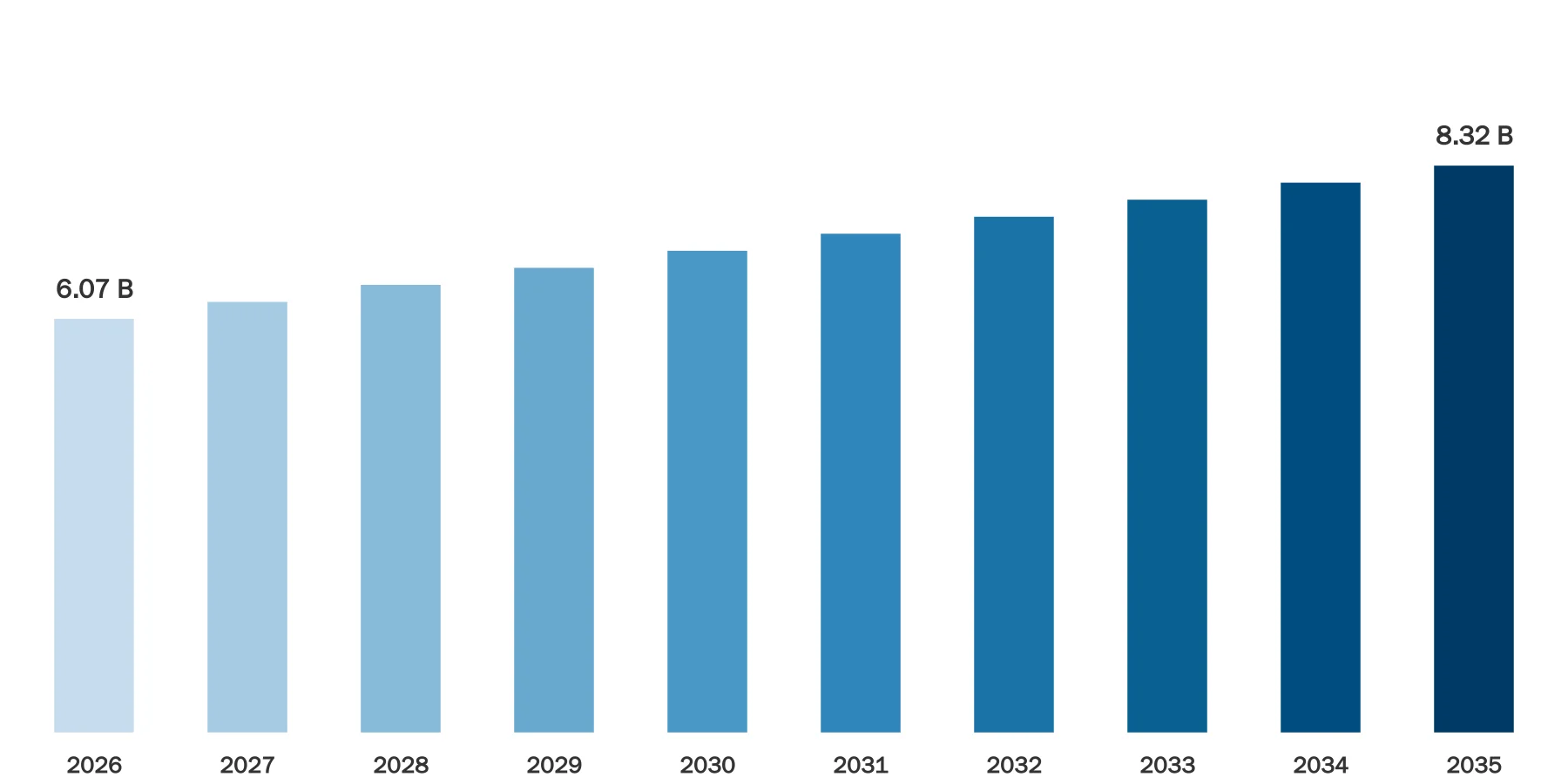
Source: Econ Market Research
Due to growing urbanization, environmental concerns, and a move toward sustainable transportation options, the market for golf carts and neighborhood electric vehicles has experienced tremendous expansion. For short-distance travel in a variety of environments, such as urban neighborhoods, gated communities, and golf courses, these little electric cars provide an easy and environmentally responsible mobility solution. The market is growing and drawing in customers and organizations looking for economical, effective transportation options because to developments in battery technology and infrastructure support. Golf carts and NEVs are becoming more and more popular as viable alternatives to conventional gas-powered cars, partly due to government incentives and rules supporting clean energy usage.
Golf Cart and NEV Dynamics
Demand is driven by environmental concern, urbanization, and technology improvements. Regulations supporting renewable energy and environmentally friendly transportation options also encourage growth. Manufacturers are competing with one another in the market to improve battery price, safety features, and range. It becomes imperative to collaborate with infrastructure developers for smart mobility solutions and charging stations. Additionally, growing Shared Mobility models and consumer preferences for environmentally friendly alternatives have an impact on market dynamics. In general, the dynamic environment of the golf cart and NEV business is shaped by a confluence of innovation, regulations, and customer behavior.
Golf Cart and NEV Drivers
Technological Advancements in Battery and Motor Efficiency
Battery design and chemistry advancements increase energy storage capacity, increasing vehicle range and cutting down on charging times. In a similar vein, developments in electric motor technology minimize energy usage while maximizing power production. These developments encourage further adoption of NEVs among consumers and enterprises by improving their utility and performance while also lowering costs and promoting environmental sustainability.
Infrastructure Development for Charging Stations and Smart Mobility Solutions
Increased accessibility and convenience of electric vehicles due to the growth of charging networks reduces range anxiety and encourages adoption. Furthermore, efficiency and grid resilience are improved through integration with smart mobility solutions like dynamic charging infrastructure and vehicle-to-grid technologies. The market for NEVs and electric vehicles grows as cities invest in sustainable transportation infrastructure, spurring additional innovation and development.
Restraints:
Initial High Cost of Acquisition for Electric Vehicles
While gasoline and maintenance expenses can be reduced over time with electric vehicles, some consumers and businesses may find the initial outlay to be exorbitant. Widespread adoption is hampered by this cost barrier, particularly in areas where prices are crucial. Overcoming this barrier and quickening the shift to electric mobility requires addressing economic issues through government incentives, subsidies, and technological developments meant to lower production costs.
Limited Adoption in Rural or Less Populated Areas
The golf cart and NEV markets are significantly constrained by limited adoption in rural populated areas. These areas frequently lack the infrastructure required to successfully support the use of electric vehicles, such as maintenance facilities and charging stations. Businesses may also find it less advantageous to invest in NEV fleets or infrastructure development as a result of the reduced population density. Targeted initiatives to develop infrastructure and raise public knowledge of the advantages of electric mobility in rural areas are needed to overcome this constraint.
Opportunities:
Integration with Smart City Initiatives and IoT Infrastructure
Vehicles can interact with city infrastructure through the use of IoT technology, improving traffic flow and easing congestion. Moreover, real-time monitoring of vehicle performance and energy usage is made possible by the integration of NEVs into smart city networks, which promotes more effective Fleet Management. In addition to improving NEV functionality, this integration advances the larger objectives of building sustainable, interconnected urban ecosystems.
Growth in Tourism and Leisure Industry for Golf Resorts and Communities
Communities and golf resorts are looking more and more for environmentally friendly mobility options that will improve visitor experiences without compromising the environment. In these situations, NEVs offer a practical and environmentally responsible form of transportation with options for fleet modifications, rental services, and personalized branding. Taking advantage of this trend might result in higher market penetration and revenue development, especially in major resorts and leisure locations across the globe.
Segment Overview
By Type
Based on type, the global golf cart and NEV market is divided into gas powered engine and electric powered engine. The gas-powered engine category dominates the market with the largest revenue share in 2023. Traditionally, internal combustion engines powered by gasoline or diesel have been the basis for gas-powered golf carts and NEVs.
The simplicity, reduced initial cost, and familiarity to users used to conventional automobiles are frequently the defining characteristics of these vehicles. Rechargeable batteries power the electric motors that drive golf carts and NEVs that run on electricity. These cars are becoming more and more well-liked since they are quiet, economical to operate, and environmentally friendly.
By Application
Based on the application, the global golf cart and NEV market is categorized into personal use and commercial use. The personal use category leads the global golf cart and NEV market with the largest revenue share in 2023. For individual use NEVs and golf carts are mostly made for personal or family use in transportation. These cars are frequently used for short-distance travel and leisure activities in residential communities, retirement communities, and resorts. NEVs and golf carts for commercial use are designed with utility and business needs in mind. Numerous businesses, such as hospitality, tourism, facilities management, landscaping, and urban logistics, use these vehicles for a variety of purposes.
Golf Cart and NEV Overview by Region
The global golf cart and NEV market is categorized into North America, Europe, Asia-Pacific, and the Rest of the World. North America emerged as the leading region, capturing the largest market share in 2023. The use of NEVs for short-distance transport is supported by the region',s large population centers, considerable urbanization, and well-established infrastructure.
Furthermore, the market for environmentally friendly transportation options is driven by strict emission standards and growing environmental awareness. Battery efficiency and vehicle performance are constantly being improved by North American manufacturers and suppliers, who are at the forefront of technological innovation. Furthermore, golf cart usage in resorts and recreational regions is commonplace due to the region',s thriving tourism and leisure sectors. Throughout the forecast period, Asia-Pacific is anticipated to post a significant CAGR.
Numerous causes, including growing urbanization, rising disposable income, and government programs supporting environmentally friendly transportation options, are blamed for this prediction. The desire for eco-friendly mobility solutions is further driven by the region',s growing environmental concerns and growing population. The market',s growth momentum is also aided by improvements in battery technology and favorable regulatory environments.
Golf Cart and NEV Competitive Landscape
In the global golf cart and NEV market, a few major players exert significant market dominance and have established a strong regional presence. These leading companies remain committed to continuous research and development endeavors and actively engage in strategic growth initiatives, including product development, launches, joint ventures, and partnerships. By pursuing these strategies, these companies aim to strengthen their market position, expand their customer base, and capture a substantial share of the market.
Golf Cart and NEV Market Leading Companies:
Bradshaw Electric Vehicles
Dongfeng Motor Group Ltd.
E-Way Golf Cars and Garia A/S
Textron Inc.
citEcar Electric Vehicles
DY Corporation
Ingersoll-Rand plc
Yamaha Motor Co. Ltd.
Polaris Industries Inc.
Yamaha Motor Co. Ltd.
Garia A/S, and various others.
Golf Cart and NEV Recent Developments
In April 2022, Club Car announced the signing of a final contract to buy Garia A/S from Lars Larsen Group, a Danish company that produces electric low-speed cars for the consumer, utility, and golf markets. The conditions of payment were not revealed. It is anticipated that the deal would finalize in the second quarter.
Golf Cart and NEV Market Report Segmentation
Golf Cart and NEV Market Report Scope & Segmentation
| Attributes | Details |
|---|---|
Market Size (Current) | US$ 6.07 Billion in 2026 |
Market Size (Forecast) | US$ 8.32 Billion in 2035 |
Growth Rate | CAGR of 3.5% from 2026 to 2035 |
Forecast Period | 2026 – 2035 |
Base Year | 2025 |
Historical Data Available | Yes |
Regional Scope | Global |
Segments Covered | By Type
By Propulsion
By Application
|
Frequently Asked Questions
Common questions about this report
The study period covers historical insights and forecast projections for the period 2026-2035.
About the Author
Market research expert with years of industry experience

Related Reports
Explore more market insights from the same category