

Gluten-free Bakery Market
Gluten-Free Bakery Market Size, Share, Trends, Growth, and Industry Analysis By Product (Biscuits & Cookies, Bread, Cakes), By Distribution Channel (Online, Supermarkets & Hypermarkets), Regional Insights and Forecast Period 2026-2035
Market Overview
As per Econ Market Research analysis, the Global Gluten-free Bakery Market generated revenue of US$ 7.83 Billion in 2026 and is forecast to achieve US$ 15.58 Billion by 2035, at a CAGR of 7.95% during the study period 2026–2035. The base year considered is 2025.
Gluten-free Bakery Market Size 2025-2035 (USD Billion)

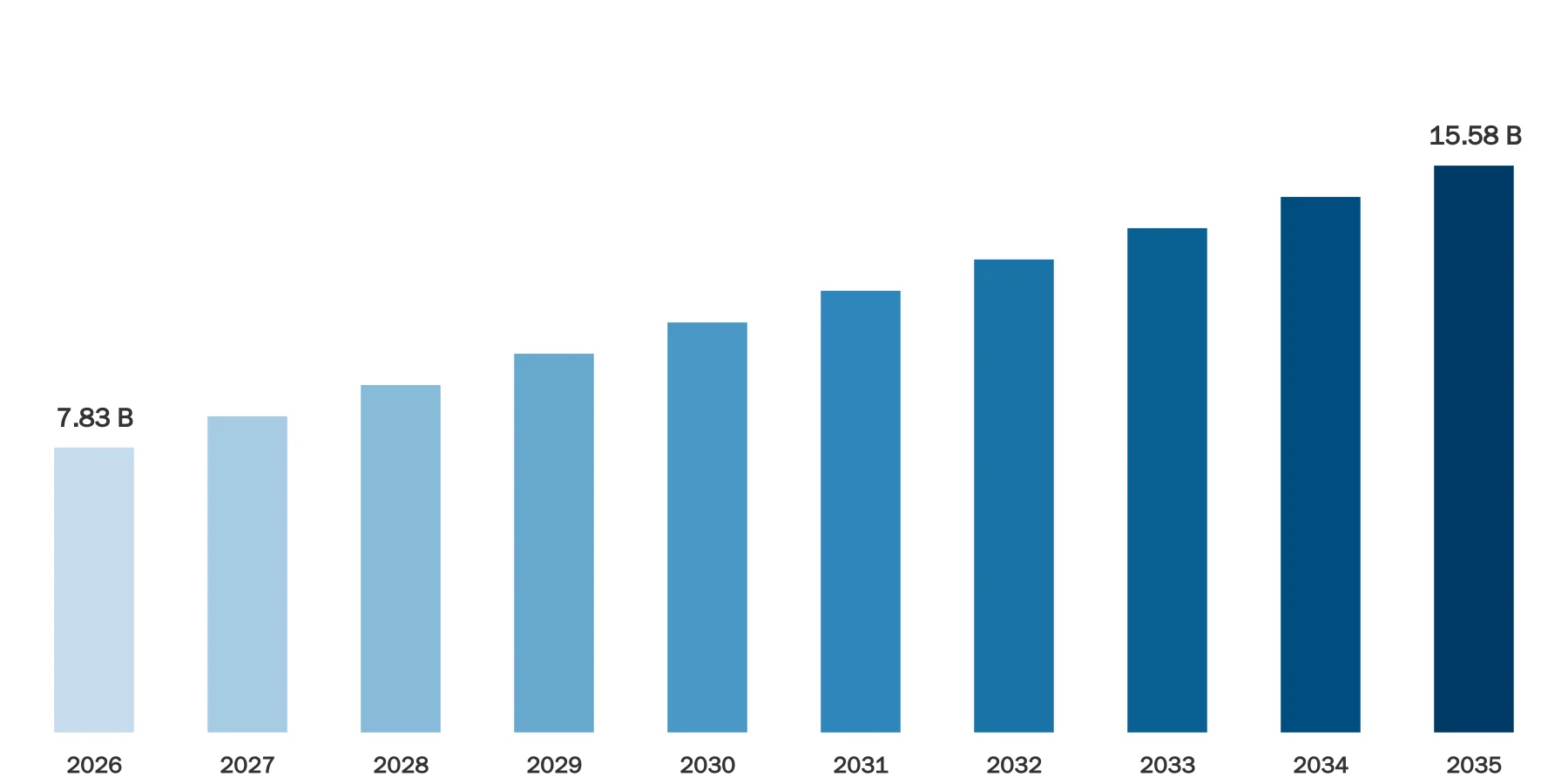
Source: Econ Market Research
Due to growing health consciousness and a greater understanding of gluten-free products, there is a considerable demand for gluten-free bakery goods. A protein known as gluten is present in many different food items, including cereal, bread, pasta, and pizza. The term ",gluten", refers to a food additive that preserves the product's form and texture. On the other hand, gluten harms the intestines. People with celiac disease experience an immune reaction after consuming gluten-containing foods. The preference for gluten-free products is rising globally as a result of increased consumer knowledge. Rye, barley, and wheat are all sources of gluten. Gluten contains two main proteins called glutenin and gliadin. Gliadin is responsible for all of the harmful effects on the body that result from eating it. Due to rising health awareness and better knowledge of the harmful effects of gluten, there is a significant market for gluten-free bakery products. Additionally, it is anticipated that increased popularity of gluten-free supplement diets would increase demand in the global market for gluten-free bakery items in the years to come.
Market Growth
In order to maintain their health and dietary balance and to keep up with the rising cases of celiac disease among millennials, consumers are drawn to gluten-free bakery items. Consumers', food intolerances and allergies are probably going to help the demand for gluten-free baked goods. Customers with celiac disease can benefit from the health benefits of gluten-free bakery goods, and other customers looking for these goods are drawn to them. Market expansion for gluten-free bakery products is anticipated to be aided by globalization and improved trade relations between nations.
More individuals are expected to buy gluten-free bakery goods as a result of government programs to promote health and wellness among the populace. It is anticipated that the global market for gluten-free bakery products would develop as a result of consumer lifestyle changes and a preference for health and diet food products. Over the course of the forecast period, the aforementioned elements relating to the demand for and sales of gluten-free bakery products are predicted to support market expansion.
Market Dynamics
Market Drivers
The industry',s growth is primarily fueled by the need for healthy and nutritious food items because of the rising health concerns in the world. Additionally, the business is anticipated to expand because of the rising demand for nutritious food items intended to avoid health issues like metabolic syndrome, chronic obstructive pulmonary disease (COPD), obesity, diabetes, and heart disease. Additionally, the industry is growing rapidly as a result of new product releases by manufacturers. During the COVID-19 epidemic, the market experienced a boom in demand for healthful foods, particularly gluten-free baked goods. Healthcare doctors suggested frequent eating of healthful foods to preserve the body',s immunity during the pandemic. During the pandemic, consumers spent more time at home, which raised consumer interest in managing their own health and fitness and increased sales of gluten-free bakery goods like bread, cookies, and biscuits. The prevalence of celiac disease around the world also increases consumer demand for products.
Market Restraints
The largest challenge to the market expansion for gluten-free bakery goods is the difficulties in maintaining the uniformity of gluten-free products. The bland flavor of gluten-free baked goods also reduces consumer demand for the item.
Market Opportunities
The expansion of the industry is also aided by the government',s increasing awareness campaigns on the use of gluten-free foods in the treatment of non-celiac disease and celiac disease. These advertisements have raised consumer demand for the product and the necessity for celiac disease diagnosis. Furthermore, it is anticipated that there will be plenty of room for market expansion due to the growing trend of eating healthily in developing nations. Manufacturers', increasing use of micro-encapsulation technology to lengthen the shelf life of gluten-free bread items is expected to support market growth.
Competitive Landscape
WGF Bakery Products
Weston Bakeries Limited
Dr. Schä,r AG / SPA
Boulder Brands USA Inc.
Kara Foodservice
George Weston Foods Limited
Ultrapharm
Sweet Christine',s Bakery
New Grains Gluten Free Bakery
United Biscuits
Genius Bakery
MyBread
Gluten Free Bakery are a few of the major companies competing in the global market for gluten-free bakery products.
Regional Analysis
With a revenue share of over 45.20% in 2022, North America led all other regions and will continue to do so for the foreseeable future. The considerable number of consumers who have celiac disease in the area is what primarily drives the local market. According to a survey conducted by the Celiac Disease Foundation, there are about 0.6% of Americans have celiac disease. The region',s large proportion was also influenced by the rising demand for wholesome diet goods in the United States and Canada.
On the other side, Asia Pacific is anticipated to increase at the fastest rate during the forecast period. The industry in the Asia-Pacific area is primarily propelled by growing public knowledge of the advantages of gluten-free food items in important nations like China, India, and others. Additionally, it is predicted that the rising awareness of celiac disease will increase the demand for gluten-free meals in these nations. Additionally, the industry in the region is anticipated to benefit greatly from the huge growth in the processed food sector in China and India.
Segment Analysis
Product Insight
In 2022, the bread segment',s market share increased to more than 38.50%. Due to the numerous health advantages of low-carb gluten-free, rye, wheat-free, and other types of bread, a substantial portion of the industry is driven by this demand. Especially among the working population, gluten-free bread satisfies the desire for quick and convenient food. The category for cookies and biscuits is anticipated to grow at the second-fastest rate over the projection period. Global product demand is increasing as customer food preferences are changing and dietary trends toward healthy eating are developing. In addition, over the next ten years, busy lifestyles and rising health and wellness concerns are anticipated to encourage healthy snacking behaviors and speed up business growth.
Distribution Channel Insight
In 2022, the industry was led by the supermarkets &, hypermarkets category, which brought in more than 36.45% of the total revenue. A large selection of product options and the ability for customers to learn more about a product before buying are two factors that contributed to the segment',s rise in supermarkets and hypermarkets. Additionally, the development of gluten-free bakery product sales through hypermarkets and supermarkets was facilitated by the robust offline retail chains in many economies, including the U.S., China, India, and other significant nations. On the other hand, due to the expanding trend of online shopping for healthy bakery items around the world, the online segment is anticipated to record the quickest CAGR from 2023 to 2031.
Recent Development
In the year 2016, Gluten-free bread was introduced by the Australian company Abbott',s Village Bakery. To meet the rising demand for gluten-free baked goods in the nation, a special product portfolio extension was made. Both products, according to the manufacturer, are gluten-free, high in fiber, and free of added artificial colors, flavors, or preservatives.
In June 2016, one of the biggest international food producers, United Biscuits, introduced two new gluten-free baked goods in the biscuit category for the U.K. market. Under the brand names, McVitie',s Gluten-Free Original Hobnobs and McVitie',s Gluten-Free Milk Chocolate Hobnobs, the goods were introduced.
Gluten-free Bakery Market Report Scope & Segmentation
| Attributes | Details |
|---|---|
Market Size (Current) | US$ 7.83 Billion in 2026 |
Market Size (Forecast) | US$ 15.58 Billion in 2035 |
Growth Rate | CAGR of 7.95% from 2026 to 2035 |
Forecast Period | 2026 – 2035 |
Base Year | 2025 |
Historical Data Available | Yes |
Regional Scope | Global |
Segments Covered | Product Outlook
Distribution Channel Outlook
|
Frequently Asked Questions
Common questions about this report
The study period covers historical insights and forecast projections for the period 2026-2035.
About the Author
Market research expert with years of industry experience

Dipali Bhingare serves as the Market Research Director at Econ Market Research. With a focus on translating complex global economic shifts into actionable business intelligence, she oversees the strategic direction of comprehensive market studies. Her work empowers organizations to navigate volatile industries through data-driven forecasting and deep-dive competitive analysis.
Related Reports
Explore more market insights from the same category