Footwear Sole Material Market Overview
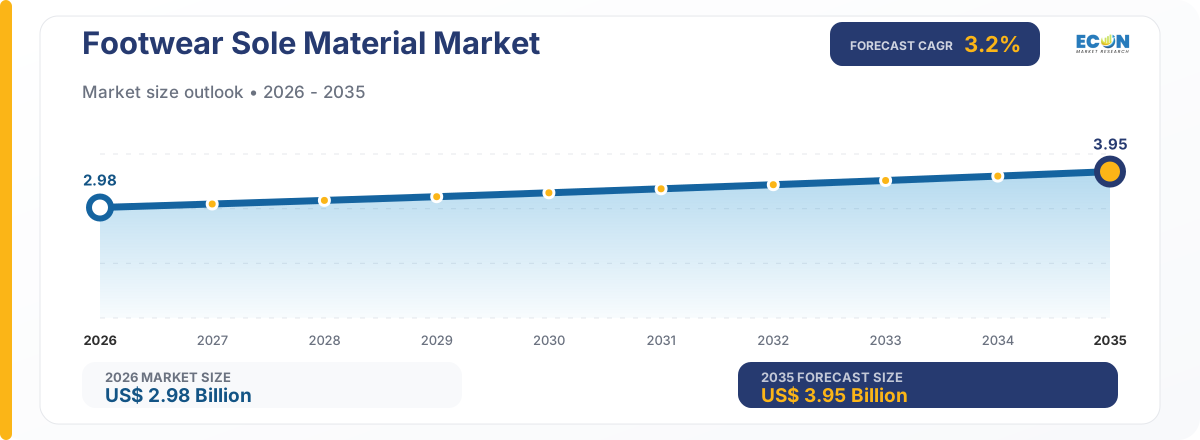
As per Econ Market Research analysis, the Global Footwear Sole Material Market was valued at approximately US$ 2.98 Billion in 2026 and is predicted to reach US$ 3.95 Billion by 2035, expanding at a CAGR of 3.2% over the forecast duration. The base year is 2025.
Footwear Soling Material play an important role in ensuring that the various types of shoes, such as sports, casual and formal ones are comfortable, durable and perform well. Some of the most commonly used sole materials include rubbers, polyurethane (PU) or ethylene-vinyl acetate (EVA). While rubber has always been preferred for its flexibility and grip, PU is light but strong, while EVA has exceptional shock absorbing abilities. Each one is selected based on what the specific shoe calls for, regardless if it was made to be worn every day or it is just a fashion statement.
This trend can be attributed to a rising demand for comfortable, long-lasting footwear, especially in the fields of sport and outdoor activities. In addition, increasing spending on clothes consequently raises this demand, therefore making it more so. However, there are problems like fluctuating prices of raw materials as well as environmental issues pertaining to the use of non-biodegradable substances in these markets. In contrast, however, there exists considerable room for improvement via creating more sustainable and eco-friendly resources.
Dynamic Insights
By the increasing need for comfy and sturdy footwear, especially in sports and outdoors global footwear sole material market is driven. The growing interest in active lifestyles as well as outdoor activities has LED to an increase in demand for high performance soles making manufactures explore materials that provide certain levels of comfort, flexibility and strength. Other contributing factors to market growth include rising fashion awareness and more disposable incomes.
However, it also faces challenges such as raw material prices fluctuation and environmentalists&rsquo, concerns about the use of non-biodegradable substances in the production of shoe soles some of whose effects can be felt on manufacturing costs or sustainability efforts. On the opposing there are emerging opportunities through eco-friendly and sustainable material development responding to hikers increasing want for green products.
Drivers Insights
Increasing Demand for Sports and Outdoor Footwear
The increasing global interest in active lifestyles has notably escalated the demand for sports and outdoor footwear, which requires soles manufactured from materials of high-performance. Such soles ought to provide exceptional comfort, flexibility and durability in order to withstand the harshest conditions of various physical activities. As more individuals are involved in running, hiking and other outdoor sports, manufacturers are emphasizing on coming up with roof materials that are advanced such as rubber as well as EVA that have a reputation for their shock absorption capacity as well as being relatively light in weight. This growing consumer preference for quality footwear with emphasis on performance forms a key driver for the market.
Rising Fashion Consciousness and Disposable Income
Moreover, greater fashion awareness among consumers is a significant stimulator and it often coincides with an upsurge in their disposable income. The increased attention to personal style has made many people pay attention to quality shoes that provide convenience together with good looks as such, there has been a rise in demand for trendy shoes featuring unique soles. In this industry segment, there&rsquo,s a notable preference for multipurpose materials such as polyurethane (PU) due to its capability of being shaped and dyed into different ways. Fashionable but also practical soles fuel growth within the foot wear sole material industry.
Restraints Insights
Fluctuating Raw Material Prices
The price of crude oil and other disruptions in the supply chain affects materials such as rubber and PU, which are derived from petrochemicals. This means that the significant challenge facing the footwear sole material market is volatility in raw material prices. This can lead to increases in production costs for manufacturers, who can find it hard to remain competitive. In addition, fluctuating raw material prices can negatively impact profit margins and general market expansion.
Environmental Concerns
The incorporation in shoe soles of non-bio-decomposing components such as manufactured elastic and PU leads to anxiety regarding the surrounding. This happens because they hardly break apart, causing pollution and wastage through time. With growing consciousness about these matters related to environment, people purchasing shoes as well as their supervisors have been advocating for adoption of eco-friendly standards in manufacturing them. The call for reduction of environmental degradation traces back most studies on shoe sole material since the need for inventing other environmentally sound substitutes surfaces.
Opportunities Insights
Development of Eco-Friendly Materials
The increasing consumer preference for eco-friendly products is a huge opportunity for the market. Manufacturers are increasingly using Biodegradable Polymers and recycled materials as sustainable counterparts to conventional sole materials. These changes do not just reduce environmental implications, but they also conform to worldwide policies that seek to foster sustainability. Organizations that focus on researching and developing green materials could gain a competitive edge in the market.
Segment Analysis
By Soling Material
By soling material, the Global Footwear Sole Material Market is segmented into leather, bio-materials, plastic, rubber, and other materials. Leather soles are commonly associated with high-end, formal footwear due to their breathability and durability, however they are usually less flexible and cannot be as comfortable compared to synthetic alternatives.
The use of bio-materials as eco-friendly alternatives is on the rise, with renewable sources such as plant-based polymers being used to meet the increasing demand for sustainable products. In terms of cost-effective options that balance between flexibility, durability and affordability, plastic and rubber are most widely utilized materials. Particularly, rubber is preferred due to its excellent grip properties together with shock absorbing abilities ideal in athletic shoes or outdoor activities. According to customer preferences high class fashion or rugged performance in casual wear are served by different types of materials.
By Product
By product, the market is segmented into athletic and non-Athletic Footwear, each requiring different types of sole materials. Athletic footwear, which comprises running shoes, hiking boots, and sports shoes, require soles that offer maximum support, flexibility and durability. This segment often employs materials like EVA, rubber and PU owing to their lightweight and cushioning characteristics.
However, on the other hand, non-athletic shoes focus more on style besides comfort in which the casual including formal and everyday shoes falls under. A common choice for soles in this category is leather or plastic ones that provide both aesthetics and durability. The varying demands of athletic and non-athletic shoe types necessitate a variety of sole materials.
By Sole Component
By sole component, the market is segmented into innersoles, outsoles, and midsoles, each playing a crucial role in the overall performance of the footwear. In contrast to the gooey and wet feel of some shoes, which tend to be more comfortable, innersoles have diverse purposes regarding accommodating the foot. Such innersoles are made using different materials such as foam or gel due to their capacity to absorb impact forces. The outermost layer of the sole that directly contacts with ground is known as outsole.
It should therefore be hard-wearing, non-slip and also resistant against any form of wear-and-tear hence why rubbers and PU are commonly used for this purpose. Midsoles are located between innersole layers and outer soles where they act as extra cushioning components when walking or running. Midsoles made from EVA (Ethylene Vinyl Acetate) or PU (Polyurethane) are preferred because they are lightweight and help in absorbing shock waves produced while walking or running. Different types of shoes require different kinds of materials for all their components.
By Sole Type
By sole type, the market is segmented into repair soles and new soles. Brand new soles are way fewer common insoles that get manufactured together with shoes built from scratch to fit the purpose of the client. This trend is fuelled by what customers want: a mix between style and usefulness. However, repair soles serve the purpose of changing worn out bottoms of shoes that one has already owned. This category has become famous due to the increasing need for prolonging footwear lifespan among people who own expensive or sentimental shoes. In most cases, repair sole material matches that of the first sole, which helps maintain its quality and function.
By End-User
By end-user, the market is segment into men, women, and kids, each with distinct preferences and requirements. Men&rsquo,s shoes tend to be durable and comfortable, with the choice of materials leaning more towards leather, rubber and PU that ensure strength and support. Women&rsquo,s shoes on the other hand are more concentrated on style and design aspects as opposed to comfort though it is also a requirement in some cases leading to use of different kinds of materials like leather, plastic or even bio-materials so that they can fit into any fashionable trend available today. Kids&rsquo, footwear is ideally designed for safety, comfort and flexibility that&rsquo,s why they are made out of rubber or EVA whose properties regarding cushioning and being non-slip match these specifications. The end-user segment reflects the need for diverse sole materials to meet the specific demands of different demographics.
Regional Analysis
From region to another, the global footwear sole material market bears a totally different appearance that results from changes in consumer tastes economic conditions as well as production abilities. In North America and Europe, this industry is considered by an increasing preference for high-quality durable materials with more attention given to sustainability and environmentally friendly products.
On the other hand, the major production areas in Asia-Pacific are dominated by China and India mainly because of their raw material availability in addition to cheaper manufacturing costs thus, making it a key point for both home use and exports. In Latin America and the Middle East &, Africa, there is a rise in demand attributed to increasing disposable income levels and increasing fashion consciousness among individuals. However, they face some challenges like lack of advanced materials or even modern manufacturing methods.
Competitive Landscape
Leading companies such as BASF SE, Dow Chemical Company, and Huntsman Corporation dominate the market with their extensive product portfolios, offering a range of materials including rubber, polyurethane, and bio-materials. These players emphasize research and development so as to create top-notch materials that are more efficient, eco-friendly, and cheaper. In particular, small and regional players are capturing market share within the niche markets for green and sustainable materials. Furthermore, strategic alliances, mergers and acquisitions describe rivalry as firms strive to broaden their market reach as well as their range of products. Since consumers have a growing need for inventive and eco-friendly shoe wear options, it is anticipated that this market will face stiffer competition over new eco-material engineering with criteria of performance and also regulations.
List of Key Players:
Dow Chemical Company
Huntsman Corporation
Covestro AG
Solvay S.A.
Arkema S.A.
DuPont de Nemours, Inc.
Evonik Industries AG
Lanxess AG
ExxonMobil Chemical Company.
Recent Developments:
Sep 2022, Hotter partnered with BASF to incorporate Infinergy, Expanded Thermoplastic Polyurethane (E-TPU) in their casual footwear to improve the level of cushioning. The combination between Hotter&rsquo,s Cushion Plus technology and BASF&rsquo,s Infinergy resulted in an extraordinary cushioning effect leading to the brand&rsquo,s increase into both formal and casual footwear.
Footwear Sole Material Report Segmentation
Footwear Sole Material Market Report Scope & Segmentation
| Attributes | Details |
|---|---|
| Market Size (Current)Current market valuation | US$ 2.98 Billion in 2026 |
| Market Size (Forecast)Projected market valuation | US$ 3.95 Billion in 2035 |
| Growth RateCompound Annual Growth Rate | CAGR of 3.2% from 2026 to 2035 |
| Forecast PeriodAnalysis timeline | 2026 – 2035 |
| Base YearReference year for analysis | 2025 |
| Historical Data AvailablePast market data availability | Yes |
| Regional ScopeGeographical coverage | Global |
| Segments CoveredMarket segments analyzed | By Material Type
By Footwear Type
By End-User
|
Frequently Asked Questions
Common questions about this report
The study period covers historical insights and forecast projections for the period 2026-2035.
About the Author
Market research expert with years of industry experience