

Food Storage Container Market
Food Storage Container Market Size, Share, Trends, Growth, and Industry Analysis, By Material (Plastic, Glass, Metal, Paperboard), By Product (Bottles andamp; Jars, Cans, Cups andamp; Tubs, Boxes), By Application (Grain Mill Products, Dairy Goods, Fruits andamp; Vegetables, Bakery Products), Regional Analysis and Forecast Period 2026-2035
Food Storage Container Market Overview
As per Econ Market Research analysis, the Global Food Storage Container Market valuation stood at US$ 192.4 Billion in 2026 and is expected to reach US$ 275.2 Billion by 2035, growing at a steady CAGR of 4.1% from 2026 to 2035. 2025 serves as the base year.
Food Storage Container Market Size 2025-2035 (USD Billion)

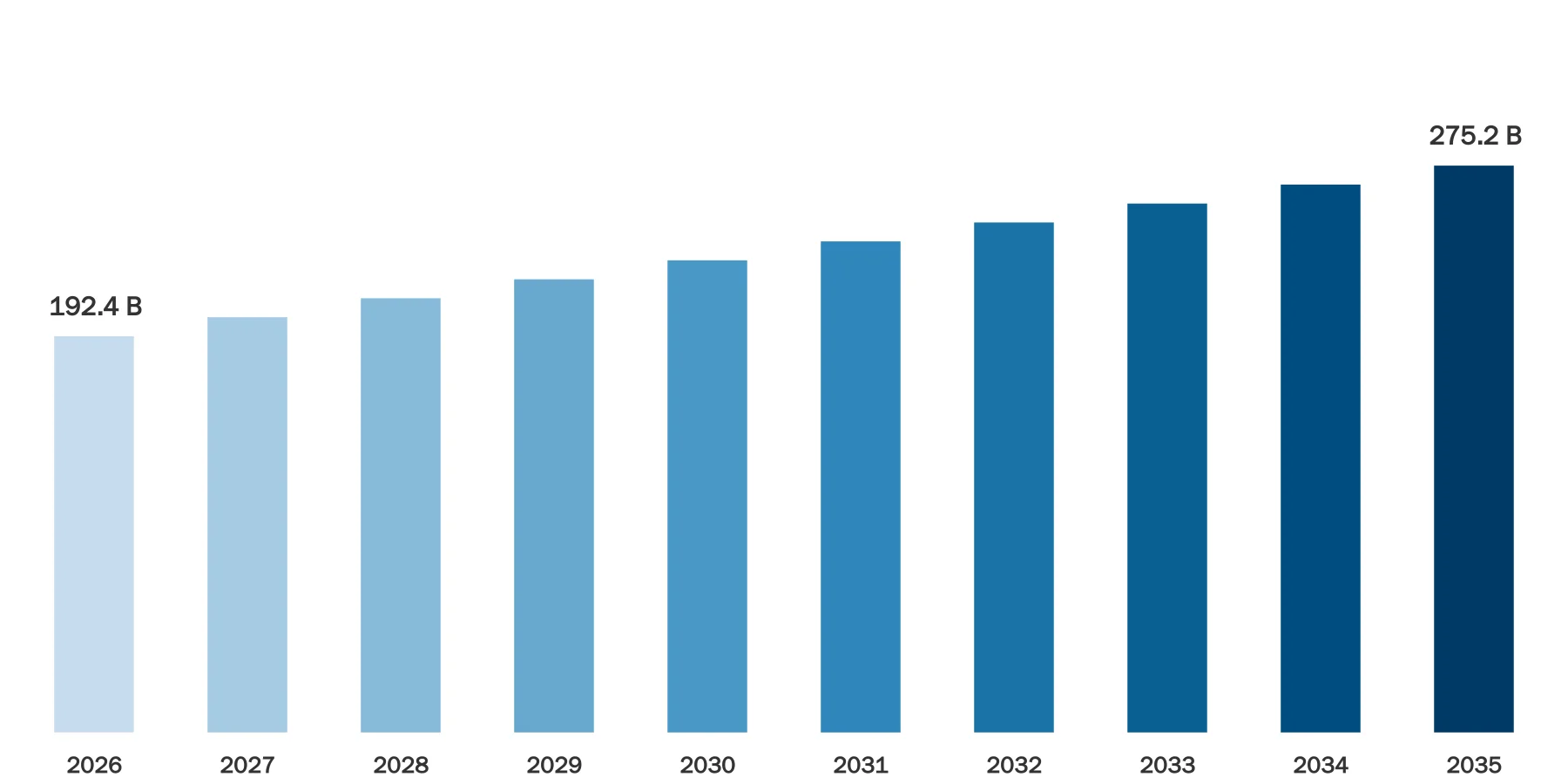
Source: Econ Market Research
Food storage containers come in a variety of shapes and sizes, from small lunch boxes to large airtight bins, and are made of plastic, glass, and metal. The market is being driven by rising consumer demand for convenient and sanitary food storage solutions, particularly in cities where people frequently have limited space and time for meal preparation. Rising awareness of food waste, changing lifestyles, and the growing trend of meal prepping all help to drive market growth. Furthermore, technological advancements have resulted in the development of novel features in food storage containers, such as vacuum sealing and smart sensors that monitor freshness. To gain a competitive advantage, key players in the market focus on product innovation, eco-friendly materials, and strategic partnerships.
Food Storage Container Dynamics
Consumer preferences are constantly changing, with an increased emphasis on convenience, sustainability, and health awareness driving demand. As urbanization progresses, consumers', lifestyles become busier, prompting them to seek more efficient food storage and transportation solutions. Furthermore, rising concerns about food safety and hygiene are driving the market, as consumers prioritize containers that maintain the freshness and integrity of their stored foods.
Furthermore, environmental awareness creates a greater demand for eco-friendly alternatives, encouraging manufacturers to create containers made from sustainable materials or with recyclable properties. Technological advancements also play an important role, with innovations such as vacuum sealing and smart storage solutions gaining traction among consumers seeking improved functionality and convenience.
Furthermore, economic factors and shifts in disposable income levels influence purchasing behaviors, impacting the market',s growth trajectory. Competitive dynamics within the industry drive manufacturers to differentiate their offerings through product innovation, branding, and pricing strategies. Strategic partnerships and collaborations also shape the market landscape as companies seek to expand their market reach and capitalize on emerging opportunities. Regulatory policies and standards regarding food safety and packaging materials also impact market dynamics, shaping product development and compliance efforts within the industry.
Food Storage Container Drivers
Changing Lifestyles
As people',s lifestyles become more hectic, they seek out convenient food storage and transportation solutions. Busy schedules, longer working hours, and on-the-go eating habits drive the demand for food storage containers that are easy to use, portable, and long-lasting. This trend is especially prevalent in urban areas, where limited space and time for meal preparation necessitate effective food storage solutions.
As a result, manufacturers are innovating by adding features like compartmentalized containers for portion control, stackable designs for space-saving storage, and leak-proof seals for mess-free transportation. These lifestyle changes fuel the growth of the food storage container market because consumers prioritize convenience and practicality in their daily lives.
Growing Environmental Awareness
Growing concerns about plastic pollution and environmental sustainability are driving up demand for eco-friendly food storage containers. Consumers are increasingly aware of the environmental impact of their purchasing decisions and are actively looking for alternatives to traditional plastic containers. This shift in consumer behavior provides an opportunity for manufacturers to create containers made of sustainable materials like glass, stainless steel, and biodegradable plastics.
Furthermore, there is a growing demand for reusable and recyclable containers that reduce waste and carbon emissions. Manufacturers are responding to this demand by providing eco-friendly products and promoting their environmental credentials through labeling and marketing campaigns. As environmental awareness grows, the demand for sustainable food storage containers will increase, driving market growth and innovation in the coming years.
Food Storage Container Restraints:
Regulatory Restrictions
Regulatory standards and restrictions on food safety and packaging materials present challenges to the food storage container market. Compliance with stringent regulations complicates and increases the costs of manufacturing, especially for companies that operate in multiple regions with different regulatory requirements. Furthermore, concerns about the potential health risks associated with certain materials used in food storage containers, such as BPA in plastic containers, may cause consumer scepticism and reluctance to buy. Manufacturers must navigate these regulatory hurdles and invest in R&,D to ensure their products meet safety standards and consumer expectations.
Price Sensitivity
Price sensitivity among consumers can limit the growth of the food storage container market. While there is a demand for high-quality, innovative containers with advanced features, consumers are also aware of their financial constraints. The availability of low-cost alternatives, such as disposable plastic bags or containers, may discourage some customers from investing in more expensive, long-lasting options.
Furthermore, economic factors like raw material price fluctuations and currency exchange rates can have an impact on manufacturing costs and, as a result, pricing strategies. To appeal to a diverse consumer base and sustain market growth, manufacturers must strike a balance between providing value-added features and maintaining competitive pricing.
Food Storage Container Opportunities:
Product Innovation and Differentiation
Continuous innovation and differentiation provide manufacturers with opportunities to gain market share and stay ahead of competitors. There is an increasing demand for food storage containers with cutting-edge features that improve functionality, convenience, and user experience. Smart storage containers, for example, equipped with sensors and IoT technology, allow users to remotely monitor food freshness and inventory levels, giving them more control and efficiency.
Similarly, customization options like personalized designs, colors, and sizes cater to a wide range of consumer preferences and lifestyles. Manufacturers can use technological advancements and consumer insights to create innovative products that meet unmet needs and provide distinct value propositions. By investing in research and development, businesses can create differentiated offerings that command premium pricing and foster brand loyalty in the competitive food storage container market.
Segment Overview
By Material
Food storage containers are made from a variety of materials, each with its own set of properties and benefits. Plastic containers are lightweight, durable, and widely used because they are inexpensive and versatile. Metal containers are highly durable and temperature resistant, making them ideal for storing both hot and cold foods. Glass containers are inert and non-toxic, preserving the flavor and freshness of stored foods while not releasing harmful chemicals.
Paperboard containers are environmentally friendly alternatives that are commonly used to package dry goods or takeaway food items. Other materials, such as silicone or bamboo, provide sustainable options with biodegradable properties, appealing to environmentally conscious consumers looking for plastic-free alternatives.
By Product
Food storage containers are a diverse range of products designed to meet a variety of storage needs. Bottles and jars are commonly used to preserve liquids, sauces, and condiments, with airtight seals to prevent leakage and spoilage. Cans provide shelf-stable packaging for canned goods such as soups, vegetables, and fruits, extending their shelf life and ensuring freshness.
Bags are versatile containers that are ideal for packaging snacks, grains, or frozen foods, as they are both convenient and portable. Cups and tubs are commonly used for portioned servings of yogurt, dips, or deli items, which allow for portion control and easy serving. Boxes provide versatile storage solutions for dry goods, bakery items, or bulk purchases. They feature durable construction and stackable designs for efficient storage.
By Packaging Type
Food storage containers are classified based on their packaging structure and flexibility. Rigid containers, such as plastic or glass jars, offer sturdy and stable storage solutions, maintaining the shape and integrity of packaged goods. Semi-rigid containers, including plastic tubs or clamshells, provide a balance between rigidity and flexibility, accommodating various shapes and sizes of food items. Flexible Packaging, such as plastic bags or pouches, offers lightweight and space-saving options for storing irregularly shaped or perishable foods, allowing for easy storage and transportation.
By Application
Food storage containers have a wide range of applications across various food categories. Grain mill products, such as rice, flour, and cereal, are commonly packaged in bags or boxes, making them easy to store as pantry staples. Dairy products, such as milk, cheese, and yogurt, are frequently stored in bottles, jars, or cups with secure closures to ensure freshness and prevent contamination. Fruits and vegetables are packaged in a variety of containers, such as bags, boxes, and clamshells, to ensure protection and preservation during storage and transportation.
Bakery products, such as bread, pastries, and cookies, are typically packaged in boxes or bags to maintain product quality and freshness. Meat products, including fresh or processed meats, are frequently vacuum-sealed or stored in rigid containers to increase shelf life and maintain quality. Candy and confections are packaged in containers such as bags or boxes, providing attractive and hygienic packaging for sweet treats.
Food Storage Container Overview by Region
North America and Europe dominate the market, owing to a strong culture of convenience and sustainability, combined with stringent regulations promoting food safety and eco-friendly packaging. Consumers in these regions prefer products with advanced features like BPA-free materials, vacuum sealing, and smart storage solutions. Furthermore, the trend toward healthier eating and meal preparation drives up demand for portioned containers and on-the-go packaging options. Asia-Pacific emerges as a rapidly expanding market, fuelled by urbanization, rising disposable incomes, and shifting lifestyles.
Countries like China, India, and Japan are witnessing increasing adoption of food storage containers due to the expansion of modern retail channels, growing awareness of food hygiene, and the influence of western dietary habits. Moreover, manufacturers in the region focus on offering affordable yet innovative products to cater to diverse consumer needs and preferences.
Latin America and the Middle East &, Africa regions present untapped opportunities for market expansion, driven by urbanization, improving living standards, and increasing consumer awareness about food preservation and hygiene. However, challenges such as infrastructure constraints and economic instability may hinder market growth in these regions.
Food Storage Container Market Competitive Landscape
Major players in the market include Tupperware Brands Corporation, Newell Brands Inc., and Rubbermaid Incorporated, which have extensive product portfolios, brand recognition, and distribution networks. These companies specialize in providing a diverse range of food storage solutions that cater to a variety of consumer preferences, including innovative features like leak-proof seals, stackable designs, and microwave-safe materials. Furthermore, they invest in research and development to stay current with emerging trends and technological advancements, ensuring that their products remain competitive in the market.
Furthermore, there are numerous regional and niche players in the market that cater to specific market segments or geographical regions. These players often compete based on price, product specialization, or unique value propositions, challenging larger incumbents with their agility and focus. Collaborations and strategic alliances are prevalent in the market as companies seek to expand their market reach, leverage complementary capabilities, and capitalize on emerging opportunities.
Food Storage Container Key Players:
Tupperware
OXO
Newell Brands
Vremi
Vtopmart
Freshware
Glasslock
Clorox Company
Silgan Containers
Oneida
EMSA GmbH
Prepara
Food Storage Container Report Segmentation
Food Storage Container Market Report Scope & Segmentation
| Attributes | Details |
|---|---|
Market Size (Current) | US$ 192.4 Billion in 2026 |
Market Size (Forecast) | US$ 275.2 Billion in 2035 |
Growth Rate | CAGR of 4.1% from 2026 to 2035 |
Forecast Period | 2026 – 2035 |
Base Year | 2025 |
Historical Data Available | Yes |
Regional Scope | Global |
Segments Covered | By Material
By Product
By Application
|
Frequently Asked Questions
Common questions about this report
The study period covers historical insights and forecast projections for the period 2026-2035.
About the Author
Market research expert with years of industry experience

Dipali Bhingare serves as the Market Research Director at Econ Market Research. With a focus on translating complex global economic shifts into actionable business intelligence, she oversees the strategic direction of comprehensive market studies. Her work empowers organizations to navigate volatile industries through data-driven forecasting and deep-dive competitive analysis.
Related Reports
Explore more market insights from the same category