

Food Coating Ingredients Market
Food Coating Ingredients Market Research Report: By Product (Cocoa & Chocolate, Fats & Oils, Flours, Breaders, Batter & Crumbs, Sugars & Syrups, Spices & Seasonings, Starches, and Hydrocolloids), By Form (Dry and Liquid), By Application (Meat & Poultry Products, Confectionery Products, Bakery Products, Ready to Eat Cereals, Fruits & vegetables, and Snacks), and Region (North America, Europe, Asia-Pacific, and Rest of the World) Global Industry Analysis, Size, Share, Growth, Trends, Regional Analysis, Competitor Analysis, and Forecast
Market Overview
As per Econ Market Research analysis, the Global Food Coating Ingredients Market generated revenue of US$ 3.8 Billion in 2026 and is forecast to achieve US$ 6.7 Billion by 2035, at a CAGR of 6.4% during the study period 2026–2035. The base year considered is 2025.
Food Coating Ingredients Market Size 2025-2035 (USD Billion)

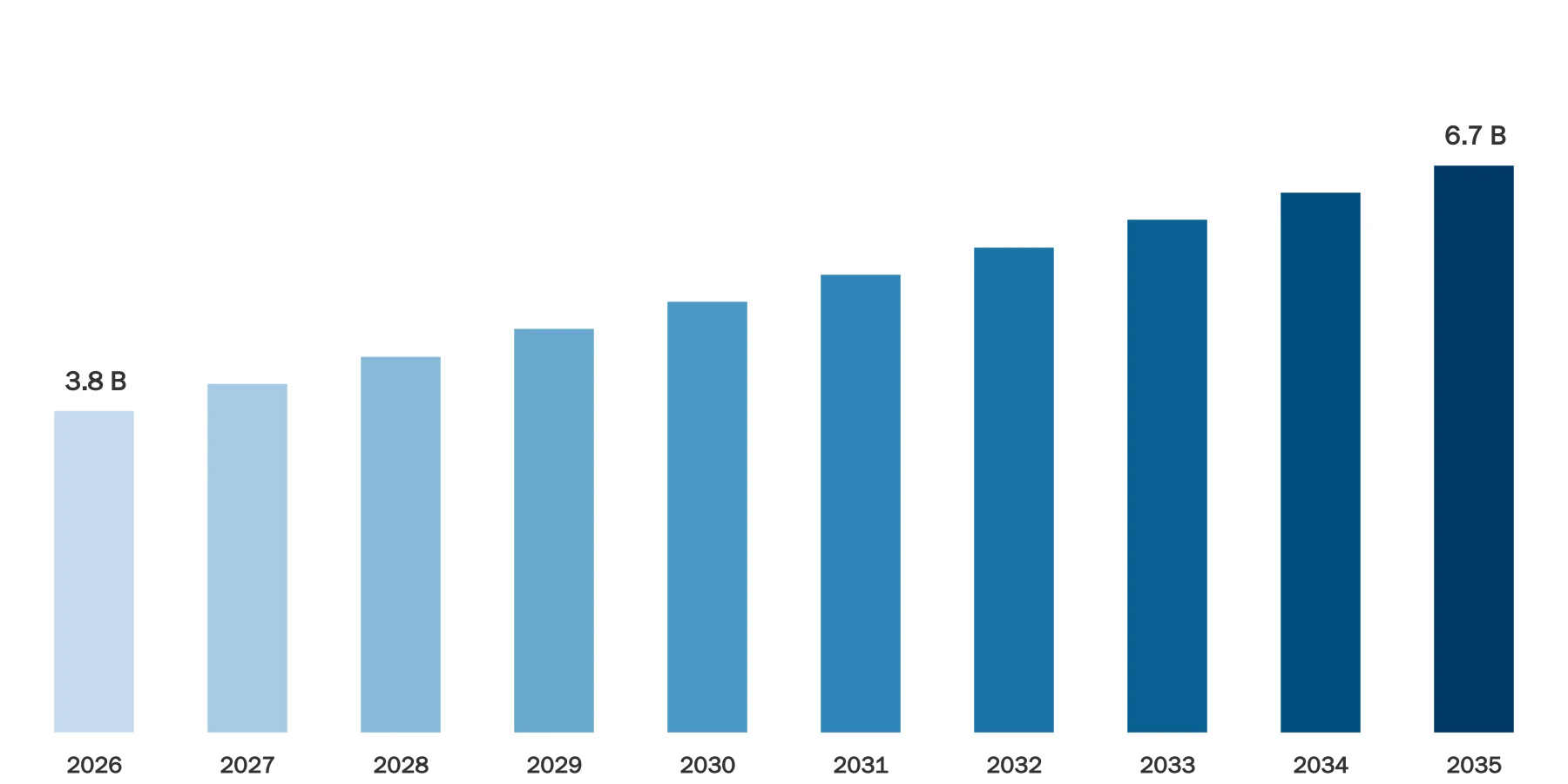
Source: Econ Market Research
Food coating ingredients encompass a variety of substances utilized to enrich the visual appeal, texture, flavor, and longevity of food items. These ingredients are typically administered as coatings or batters on diverse food products, including meat, poultry, seafood, vegetables, and more. Flour, starch, sugar, protein, gums, and fats/oils are frequently employed as common coating ingredients. They serve various purposes such as binding agents, adhesives, thickeners, and emulsifiers, and can be seasoned or flavored to augment the taste of the food. Furthermore, food coating ingredients can create a protective shield against moisture loss, oxidation, and microbial growth, thereby extending the shelf life of the products.
Food Coating Ingredients Market Dynamics
The food coating ingredients market is driven by several factors. These include the escalating demand for processed and convenient foods, the increasing consumer preference for crispy and crunchy food textures, and the growing awareness regarding the advantages of food coating ingredients in terms of prolonging shelf life and enhancing the sensory attributes of food products. Moreover, the market is propelled by the prevailing trend towards healthier and more natural ingredients, advancements in food technology, and the emergence of innovative coating ingredients that offer enhanced functionality.
Food Coating Ingredients Market Drivers
Increasing Demand For Processed And Convenience Foods
The rising consumer preference for ready-to-eat and easy-to-prepare food products has led to a higher demand for food coating ingredients. These ingredients help enhance the taste, texture, and appearance of processed and convenience foods.
Restraints
Cost And Availability Of Raw Materials
The availability and cost of raw materials used in food coating ingredients can impact market dynamics. Fluctuations in raw material prices, along with supply chain disruptions, may pose challenges to manufacturers in terms of maintaining profitability and consistent product quality.
Opportunities
Focus On Sustainability And Eco-Friendly Solutions
With increasing consumer awareness of sustainability, there is a growing demand for eco-friendly food coating ingredients. Manufacturers can capitalize on this opportunity by offering sustainable sourcing practices, recyclable packaging, and environmentally friendly ingredients.
Segment Overview
By Product Type
Based on the product type, the global food coating ingredients market is segmented into cocoa & chocolate, fats & oils, flours, breaders, batter & crumbs, sugars & syrups, spices & seasonings, starches, and hydrocolloids. The sugars & syrups segment is dominating the market with the largest revenue share of around 23.7% in 2022. The sugars and syrups category accounted for the biggest market share in the food coating ingredients market for a variety of reasons. Sugars and syrups give a sweet taste and improve the flavor of food products, making them a popular choice for food coating. They also have a smooth and shiny surface, which is appealing to customers.
By Application
Based on the application, the global food coating ingredients market is segmented into meat &, poultry products, confectionery products, bakery products, ready-to-eat cereals, fruits &, vegetables, and snacks. The confectionery products segment is dominating the market with the largest revenue share of around 26.4% in 2022. Confectionery items such as chocolates, candies, and gum require a smooth and glossy surface, which food-coating additives may provide. Furthermore, the use of coating components in confectionery items improves the flavor, texture, and look of the product, making it more attractive to customers.
By Form
Based on form, the global food coating ingredients market is segmented into dry and liquid. In 2022, the liquid category emerged as the dominant segment in the food coating ingredients market, capturing the largest market share with around 64.6%. Compared to dry coatings, liquid coating components are simpler to use and provide superior food product adherence. Additionally, they offer a coating that is homogeneous and constant, which is crucial for obtaining the end product',s ideal texture and look. Furthermore, liquid coating materials are more adaptable and may be applied to a variety of processes, such as deep frying, baking, and roasting.
Food Coating Ingredients Market Overview by Region
By Region the global Food Coating Ingredients Market has been divided into North America, Europe, Asia-Pacific, and the Rest of the World. North America held approximately 45.2% market share in 2022. This growth is due to highly developed food sector that prioritizes innovation and product diversification, creating a strong demand for novel food coating ingredients. Furthermore, the increasing popularity of fast food and convenience meals has further fueled the need for high-quality food coating components in North America.
Food Coating Ingredients Market Competitive Landscape
The global food coating ingredients market is characterized by the dominance of a few prominent players who have established a strong regional presence. These key participants are dedicated to ongoing research and development initiatives and actively pursue strategic growth endeavors such as product development, launches, joint ventures, and partnerships. By implementing these strategies, these companies aim to enhance their market position, expand their customer base, and capture a significant share of the market.
Key Players
Cargill, Inc.
Archer Daniels Midland Company
Ingredion Incorporated
Kerry Group PLC
PPG Industries, Inc.
Bowman Ingredients
Bunge Limited
Tate & Lyle PLC
Dohler Group
Agrana Beteiligungs-AG
Ashland Global Holdings Inc.
DowDupont
SensoryEffects
McCormick & Company, Inc.
Newly Weds Foods, Inc.
Kikkoman Corporation
Food Coating Ingredients Market Recent Developments
In November 2022, Solina, a well-known European provider of savoury ingredient solutions for the food industry, has acquired Saratoga Food Specialties, a US-based firm, in order to extend its operations in North America. Solina is consolidating its footprint in the United States with this purchase, having previously established a foothold in the nation in 2021 with the acquisition of Asenzya, a developer of customized dry seasoning solutions located in Wisconsin.
Food Coating Ingredients Market Report Scope & Segmentation
| Attributes | Details |
|---|---|
Market Size (Current) | US$ 3.8 Billion in 2026 |
Market Size (Forecast) | US$ 6.7 Billion in 2035 |
Growth Rate | CAGR of 6.4% from 2026 to 2035 |
Forecast Period | 2026 – 2035 |
Base Year | 2025 |
Historical Data Available | Yes |
Regional Scope | Global |
Segments Covered | By Type
By Application
By Form
|
Frequently Asked Questions
Common questions about this report
The study period covers historical insights and forecast projections for the period 2026-2035.
About the Author
Market research expert with years of industry experience

Dipali Bhingare serves as the Market Research Director at Econ Market Research. With a focus on translating complex global economic shifts into actionable business intelligence, she oversees the strategic direction of comprehensive market studies. Her work empowers organizations to navigate volatile industries through data-driven forecasting and deep-dive competitive analysis.
Related Reports
Explore more market insights from the same category