

Flavored Syrups Market
Flavored Syrups Market Research Report: By Flavor (Fruit, Chocolate, Vanilla, Coffee, Herbs & Seasonings, Other), By Product Type (Natural, Synthetic), By Flavor Type (Sweet, Salty, Mint, Savory, Sour), By Application (Beverage, Dairy & Frozen Desserts, Confectionery & Bakery, Food), and Region (North America, Europe, Asia-Pacific, and Rest of the World) Global Industry Analysis, Size, Share, Growth, Trends, Regional Analysis, Competitor Analysis and Forecast Period 2026-2035
Market Overview
As per Econ Market Research analysis, the Global Flavored Syrups Market was estimated at US$ 4.68 Billion in 2026 and is forecast to attain US$ 6.48 Billion by 2035, expanding at a CAGR of 3.69% between 2026 and 2035. The base year for the study is 2025.
Flavored Syrups Market Size 2025-2035 (USD Billion)

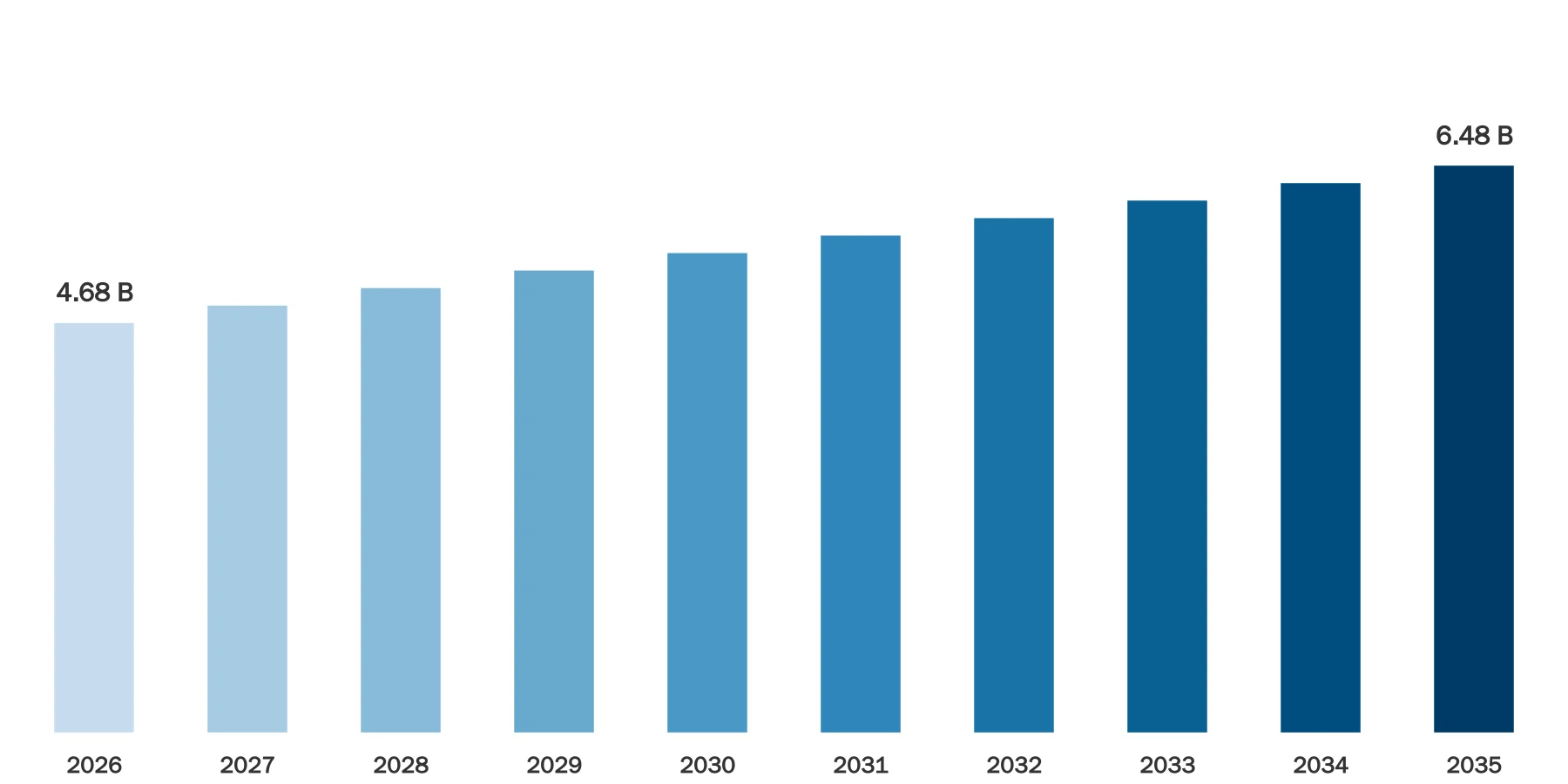
Source: Econ Market Research
Since its debut, the market for flavored syrups has seen a radical transformation. These syrups were first developed in the middle of the 19th century for medical purposes, but when they were used in cooking, their market environment changed. Flavored syrups caused a stir in the food and beverage business, leading to an explosion of creative recipes and flavor combinations. Basic tastes like vanilla and chocolate dominated the market at first, but it quickly grew to include exotic fruit, floral, and spice-infused varieties.
A significant change occurred in the early 20th century when flavored syrups were widely used in both commercial and residential kitchens. Their appeal stemmed from their ability to enhance savory foods, sweets, and beverages with variety. Manufacturers responded to changing consumer tastes by launching sugar-free, natural, and organic versions to accommodate a range of dietary requirements. Because consumers are becoming more interested in artisanal cocktails and gourmet beverages, the sector has experienced an unparalleled boom in recent years.
By combining distinctive and seasonal flavors, manufacturers have expanded their product offers and met consumer demand for high quality and authenticity. Technological developments have also made production more efficient while preserving flavor integrity, guaranteeing a superior and consistent final product. The market for flavored syrup is still vibrant and ready for growth and innovation as long as consumers', desire for distinctive flavor sensations keeps rising.
Market Dynamics
Consumer preferences are changing, and one major trend is a move towards healthier options, which is fueling the market for natural, organic, and sugar-free syrups. Manufacturers adapt to consumer tastes as health consciousness rises by developing syrups that contain natural sweeteners like stevia or monk fruit without the use of artificial ingredients. Furthermore, the development of the foodservice sector, where flavored syrups are essential to creating specialized drinks, has an impact on market dynamics.
The growth of café,s, bars, and restaurants that specialize in unusual and personalized drinks increases the need for a variety of syrup flavors, which prompts manufacturers of syrup to work with venues to develop special mixes. Economic considerations influence production costs and can have an impact on pricing tactics. These factors include variations in the price of raw materials like sugar or fruits. Furthermore, marketing and branding initiatives play a major role in shaping consumer perception, as businesses use social media, storytelling, and innovative packaging to draw in and keep clients.
The market is impacted by regulatory changes pertaining to food safety regulations and labeling requirements, which forces producers to modify their processes and formulas. All things considered, the flavored syrup industry is driven by creativity, flexibility, and a keen sense of consumer trends. This has resulted in a vibrant ecosystem that is primed for further expansion and development.
Market Drivers
Growth in Foodservice Industry
The primary force behind this expansion is the fundamental shift in customer tastes toward artisanal beverages and a variety of gastronomic experiences. In order to draw and keep consumers, cafes, restaurants, bars, and other dining businesses are placing a greater emphasis on providing distinctive and personalized drinks. In this context, flavored syrups are crucial components that go into making specialty drinks such as flavored teas, coffees, cocktails, and mocktails. Furthermore, the modern dining-out culture, particularly among Gen Z and millennials, places an emphasis on experiences rather than just consumption, patrons are searching for unique, visually appealing drinks that are visually appealing as well as tasty. This need drives the need for a broad variety of flavored syrups, from conventional to unusual flavors, so that businesses can create unique drinks and differentiate themselves in a crowded market.
The growing trend toward healthier options is closely linked to the expansion of the foodservice industry. Businesses are implementing sugar-free, natural, and organic syrups in response to the expectations of health-conscious customers. Thus, the collaboration between the foodservice industry and the flavored syrups market not only promotes innovation but also increases sales by providing distinctive flavor combinations and experiences to a clientele that is growing more discriminating and daring.
Innovation in Product Offerings
This driver takes several forms, mostly in reaction to changing customer wants and preferences. Manufacturers attract a discriminating consumer base looking for innovation and uniqueness by constantly innovating through the introduction of new mixes, diversification of flavor profiles, and expansion beyond conventional possibilities. Innovation in the market also includes the creation of healthier substitutes like sugar-free, natural, and organic syrups. This change is in line with consumers', growing emphasis on making health-conscious decisions, which is pressuring producers to develop formulations that satisfy these tastes without sacrificing flavor.
Additionally, experimenting with novel flavors and ingredients gives businesses a competitive advantage and helps them stand out in a crowded market. Embracing trends like botanical infusions, unusual fruit combinations, or seasonal offerings enables brands to continuously engage consumers and create a sense of anticipation for new products. Additionally, package innovations that appeal to environmentally concerned consumers&mdash,like eco-friendly materials or user-friendly designs help differentiate products from the competition and promote sustainability.
Restraints:
Health Concerns and Sugar Content
People are becoming more aware of the negative effects of consuming too much sugar as they become more health concerned. Because flavored syrups typically include a lot of sugar, consumers', concerns about their health have caused a fall in demand. The examination of syrup formulations and their effects on general health has been motivated by the movement in customer preferences towards healthier lifestyles. Furthermore, there is increased rivalry for flavored syrups as alternative sweeteners become more and more popular. Natural sweeteners that are perceived as healthier alternatives, such as agave syrup, stevia, or extracts from monk fruit, draw consumers', attention away from conventional syrup options. As a result, increased consumer knowledge of sugar content has not only resulted in lower sales but also prompted industry innovation to create sugar-free and reduced-sugar versions that meet changing customer preferences.
Supply Chain Disruptions
Global health crises, such as the COVID-19 pandemic, transportation issues, weather-related disasters that impact fruit harvests, and geopolitical instability can all cause these disruptions. Such interruptions can result in a shortage or irregularity in the availability of fruits, herbs, or other raw materials that are necessary for the manufacturing of flavored syrup. Because alternate, sometimes more expensive, vendors or locations must be used to get components, the unpredictable nature of these disruptions frequently results in higher production costs.
Furthermore, logistical difficulties and delays in transit can make it more difficult to deliver goods on time, which can have an influence on manufacturing schedules and inventory control, which in turn affects market distribution and supply. Furthermore, these alterations can have a negative impact on the consistency and quality of flavored syrups. Changes in the quality or availability of ingredients can require formula adjustments, which could have an effect on the final product',s taste and overall experience. Businesses can also have trouble satisfying customer requests for particular flavors or sticking to a steady pricing plan in the face of rising ingredient prices.
Opportunities:
Innovation in Formulations and Packaging
A sizable business opportunity arises from reformulating syrups to conform to changing customer preferences for healthier options, such as natural, organic, or low-sugar formulations. Syrups that incorporate functional elements such as vitamins, antioxidants, or adaptogens might satisfy consumers who prioritize their health and seek additional nutritional advantages. Additionally, packaging innovations provide ways to improve the eco-friendliness and brand attractiveness. Creating environmentally friendly packaging with recyclable or biodegradable materials not only supports environmental concerns but also appeals to customers who are inclined to make eco-friendly decisions.
Product visibility and customer engagement can be increased by visually appealing and user-friendly packaging designs, which can also attract new market segments and create brand loyalty. Additionally, technological developments in packaging like resealable lids or portion-controlled dispensers improve convenience and shelf life, satisfying consumer demands for long-lasting products and ease of use. Investing in creative packaging helps firms stand out in a crowded market by communicating their dedication to quality and sustainability.
Functional and Versatile Syrups
Functional benefits like extra vitamins, probiotics, or adaptogens can be incorporated into syrups to satisfy health-conscious customers looking for goods that support their wellness objectives. These functional syrups have the power to improve drinks and food preparations by adding flavor and other health benefits, which will increase their attractiveness to a wider range of consumers. Syrups containing adaptogens that reduce stress or chemicals that improve immunity, for example, take advantage of the wellness trend and draw customers looking for all-natural health solutions. The business potential is further increased by these syrups', adaptability. Beyond beverages, they can be used for desserts, marinades, sauces, or even savory foods, demonstrating their versatility in culinary creations. Manufacturers can reach a wide range of consumers by marketing these syrups as multifunctional additives that improve flavor and functionality. This strategy will appeal to both health-conscious consumers and foodies.
Segment Overview
By Flavor
Based on flavor, the global flavored syrups market is divided into fruit, chocolate, vanilla, coffee, herbs &, seasonings, other. The fruit category dominates the market with the largest revenue share in 2026. This segment covers a spectrum of fruity flavors, ranging from traditional options like strawberry, raspberry, and peach to more exotic choices such as mango, passion fruit, or lychee. Fruit-flavored syrups are versatile and widely used in various beverages, desserts, and culinary applications. Chocolate-flavored syrups are immensely popular and come in variations like dark chocolate, milk chocolate, or white chocolate. They are used in making beverages like mochas, hot chocolates, or as toppings for desserts like ice creams and cakes. Coffee-flavored syrups offer a diverse range of tastes, from classic espresso or cappuccino flavors to specialty coffee varieties like caramel macchiato or hazelnut. These syrups are often used to create unique coffee-based drinks. Herbs &, seasonings segment encompasses syrups infused with herbal or savory flavors such as mint, lavender, cinnamon, or ginger. These syrups add complexity to beverages, cocktails, or culinary dishes, catering to those seeking unique and distinctive tastes.
By Product Type
Based on the product type, the global flavored syrups market is categorized into natural, synthetic. The natural category leads the global flavored syrups market with the largest revenue share in 2026. These syrups are crafted using ingredients derived from natural sources, such as fruits, herbs, spices, and other plant-based extracts. They are processed and formulated without artificial additives, colors, or flavors. Natural flavored syrups typically appeal to consumers seeking cleaner labels and more wholesome products, especially those who prioritize natural ingredients and avoid artificial additives due to health or lifestyle preferences.
Synthetic or artificially flavored syrups are produced using artificial flavorings, colors, and chemical compounds to replicate specific tastes. These syrups are typically manufactured in a lab and can contain synthetic additives or sweeteners. While they can offer a consistent flavor profile and are often more cost-effective to produce, they can not align with the preferences of consumers seeking natural, minimally processed products.
By Flavor Type
Based on flavor type, the global flavored syrups market is segmented into sweet, salty, mint, savory, sour. Sweet-flavored syrups encompass a broad spectrum of sugary tastes, including traditional options like caramel, butterscotch, or simple syrups. These syrups are versatile and widely used in beverages, desserts, and sweet culinary applications, adding sweetness and depth of flavor. Salty-flavored syrups, though less common, offer a unique twist to culinary creations. These syrups might incorporate elements like sea salt or saline solutions, providing a savory undertone that complements certain cocktails, savory dishes, or even desserts by balancing sweetness with a hint of saltiness.
Mint-flavored syrups offer a refreshing and cooling taste, often used in beverages like mojitos, mint juleps, or in combination with chocolate or fruits to create refreshing drinks and desserts. The vibrant and invigorating profile of mint adds a zesty twist to various recipes. Savory-flavored syrups introduce herbal, earthy, or umami notes to dishes and drinks. They might include flavors like rosemary, thyme, basil, or even balsamic reductions, enhancing the complexity of flavors in savory dishes, marinades, or cocktails. Sour-flavored syrups provide a tangy, acidic taste profile. Variants might include citrus-infused syrups like lemon, lime, or grapefruit, which complement cocktails, mocktails, and desserts, adding a zingy and refreshing quality.
By Application
Based on application, the global flavored syrups market is divided into beverage, dairy &, frozen desserts, confectionery &, bakery, food. The dairy &, frozen desserts category dominates the market with the largest revenue share in 2026. In the dairy and frozen dessert segment, flavored syrups are used as toppings, mix-ins, or ingredients to add flavor to ice creams, yogurts, milkshakes, and other frozen treats. They contribute to creating diverse flavor profiles, from classic chocolate and strawberry toppings to more unique and exotic flavors. Flavored syrups find extensive use in the beverage industry, where they play a crucial role in enhancing the taste and diversity of drinks. They are used in various beverages such as coffee, tea, cocktails, mocktails, smoothies, and flavored sodas. These syrups add distinct flavors, sweetness, and complexity to beverages, allowing for a wide range of creative and customized drink options.
Flavored syrups are essential in the confectionery and bakery industry for adding taste, moisture, and texture to products. They',re used in the production of candies, chocolates, pastries, cakes, and cookies, providing a wide array of flavors to sweet treats and baked goods. The food segment includes various culinary applications beyond desserts and beverages. Flavored syrups are utilized in savory dishes, marinades, sauces, salad dressings, and glazes, contributing to the flavor complexity and enhancing the taste profile of a wide range of savory dishes.
Overview by Region
The global flavored syrups market is categorized into North America, Europe, Asia-Pacific, and the Rest of the World. North America emerged as the leading region, capturing the largest market share in 2026. The region',s robust consumer demand for a wide range of creative food and beverage goods is one of the main factors. Flavored syrups have found widespread use in a variety of businesses because to North America',s dynamic and changing culinary scene and experimental and flavor-loving society. In addition, the popularity of the foodservice sector which includes bars, restaurants, and a bustling café, culture has greatly increased the use of flavored syrups. These businesses constantly experiment to provide distinctive and personalized drinks, drawing customers looking for new flavors.
A broad variety of syrup flavors are in high demand due to the rise in popularity of specialty coffee shops, mixology bars, and dessert-focused restaurants. In addition, the tendency toward healthier options in North America has prompted the creation and uptake of natural, organic, and sugar-free varieties of flavored syrups. Manufacturers have been responding to consumer desires by producing products that are in line with cleaner labels and healthier components. North America',s leadership in the world',s flavored syrup market is also a result of the region',s strong distribution networks, modern infrastructure, and technological breakthroughs, which guarantee the accessibility and availability of a wide variety of flavored syrups.
Competitive Landscape
In the global flavored syrups market, a few major players exert significant market dominance and have established a strong regional presence. These leading companies remain committed to continuous research and development endeavors and actively engage in strategic growth initiatives, including product development, launches, joint ventures, and partnerships. By pursuing these strategies, these companies aim to strengthen their market position, expand their customer base, and capture a substantial share of the market.
Key Players
Sensient Technologies Corporation
Kerry Inc.
SensoryEffects, Inc.
Tate & Lyle PLC
Toschi Vignola S.r.l.
Archer Daniels Midland Company
Starbucks Corporation
The J.M. Smucker Company
MANE
Stirling Flavors, LLC
Malabar Food Products
W.T. Lynch Foods Limited
Midwest Syrup Company
RIO Syrup Company, Inc.
Sonoma Syrup Co.
AJWA Food Products
Recent Developments
In January 2023, The woman-owned artisan beverage business Absinthia',s Bottled Spirits, situated in Oakland, California, has announced that it has successfully acquired Nickel Dime Syrups, a collection of specialty cocktail syrups created in California using only natural ingredients.
Flavored Syrups Market Report Scope & Segmentation
| Attributes | Details |
|---|---|
Market Size (Current) | US$ 4.68 Billion in 2026 |
Market Size (Forecast) | US$ 6.48 Billion in 2035 |
Growth Rate | CAGR of 3.69% from 2026 to 2035 |
Forecast Period | 2026 – 2035 |
Base Year | 2025 |
Historical Data Available | Yes |
Regional Scope | Global |
Segments Covered | By Flavor
By Product Type
By Application
|
Frequently Asked Questions
Common questions about this report
The study period covers historical insights and forecast projections for the period 2026-2035.
About the Author
Market research expert with years of industry experience

Dipali Bhingare serves as the Market Research Director at Econ Market Research. With a focus on translating complex global economic shifts into actionable business intelligence, she oversees the strategic direction of comprehensive market studies. Her work empowers organizations to navigate volatile industries through data-driven forecasting and deep-dive competitive analysis.
Related Reports
Explore more market insights from the same category