

Fine Art Logistics Market
Fine Art Logistics Market Size, Share, Trends, Growth, and Industry Analysis, By Type (Transportation, Packaging andamp; Crating, Storage), By Application (Art Dealers andamp; Galleries, Auction Houses, Museum andamp; Art Fair, Private Collectors), Regional Analysis and Forecast Period 2026-2035
Fine Art Logistics Market Overview
As per Econ Market Research analysis, the Global Fine Art Logistics Market was recorded at US$ 3.5 Billion in 2026 and is projected to expand to US$ 5.5 Billion by 2035, registering a CAGR of 4.99% over the forecast period. The base year used is 2025.
Fine Art Logistics Market Size 2025-2035 (USD Billion)

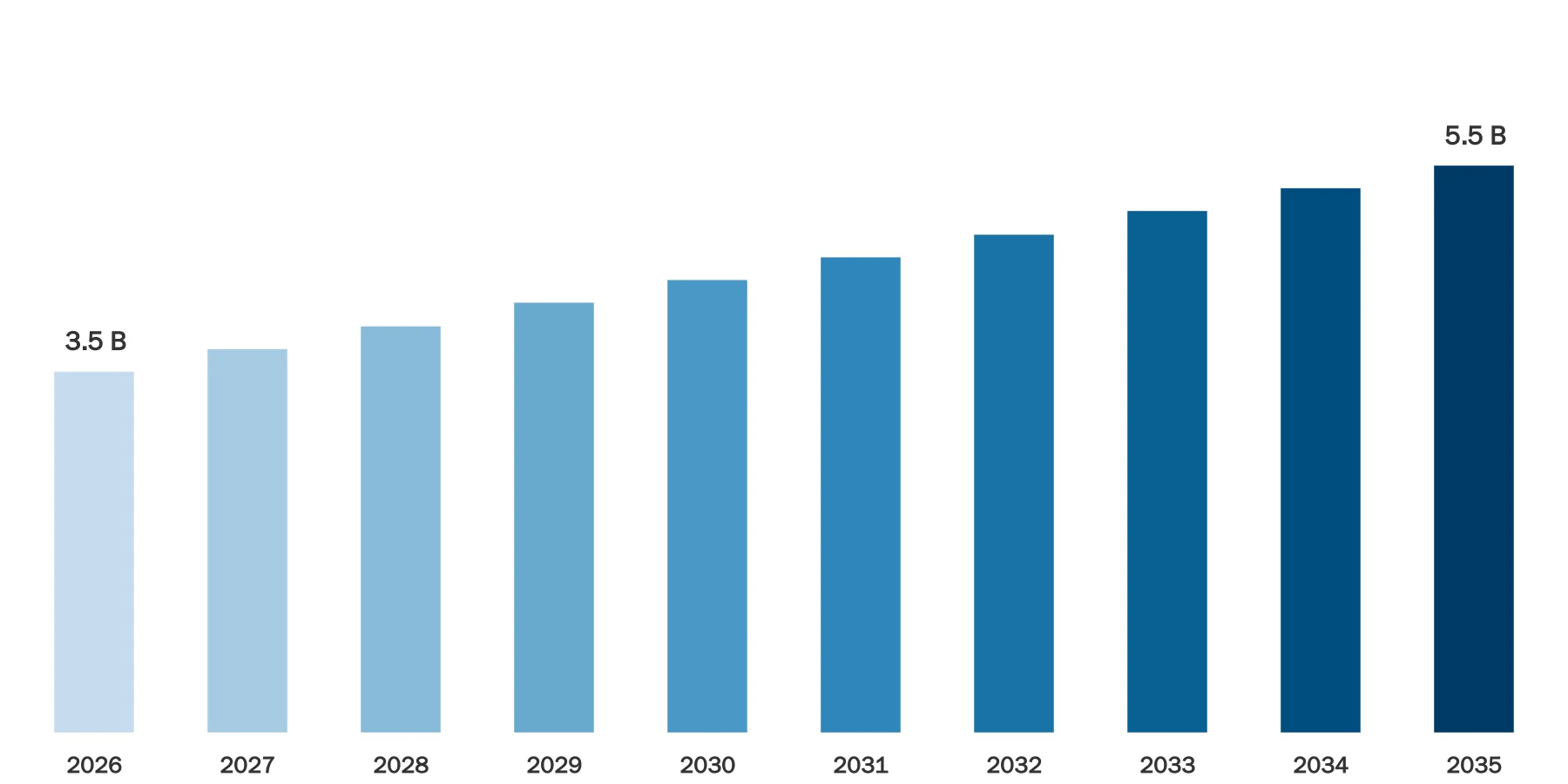
Source: Econ Market Research
Fine Art Logistics includes the unique services dedicated to transporting, managing, and storing precious works of art and historical artifacts. This categorised into paintings, sculptures, antiques, and other items of cultural significance. These logistics companies guarantee the careful and secure transportation of these fragile objects, utilizing temperature-controlled vehicles, specialized packaging, and state-of-the-art security measures. As the art market becomes more globalized and the need to transport works across borders for exhibitions, auctions, and private sales increases, the fine art logistics sector is essential in safeguarding and showcasing cultural heritage on an global level.
The demand for fine art logistics services is on the rise due to several factors like the growing number of art fairs and exhibitions globally, the expansion of online platforms for art sales, and the increasing affluence and mobility of art collectors. Moreover, the implementation of stricter regulations pertaining to the movement and conservation of cultural items has increased the necessity for specialized logistics services in the art sector.
Fine art logistics firms frequently partner with Museums, galleries, auction houses, and private collectors to offer customized solutions for the secure handling and transportation of artworks. As the art market continues to evolve and expand, the demand for fine art logistics services is expected to increase further, presenting opportunities for innovation and growth within the industry.
Fine Art Logistics Dynamics
The Global Fine Art Logistics market is influenced by various important factors. As the art market becomes more globalized, there is a growing number of global transactions and exhibitions, leading to higher demand for fine art logistics services. Online platforms for art sales have also made it easier for collectors and buyers to access art from all over the world, requiring efficient transportation methods for artworks. Furthermore, art',s increasing popularity as an investment has created a need for specialized logistics services to safely store and transport valuable artworks.
Moreover, government regulations have a big impact on how the fine art logistics market operates. With stricter rules on transporting, importing, and exporting cultural items, logistics companies now have to follow more rules to stay compliant. This means they need to invest in better security measures, special packaging methods, and compliance knowledge to avoid theft or damage during shipping.
Also, changes in the economy and political issues can affect how much people want fine art logistics services. Collectors and institutions can change how they buy and display art based on market uncertainties. Overall, the dynamics of the fine art logistics market are characterized by the interplay of global economic trends, regulatory developments, and shifts in consumer behaviour within the art industry.
Fine Art Logistics Drivers
Globalization of the Art Market
The expansion of the art market on a global scale is a key factor driving the fine art logistics sector. As art transactions cross international borders more frequently, there is a greater demand for trustworthy and effective transportation and care of art pieces. Fine art logistics firms are instrumental in facilitating the movement of artworks across various countries and regions due to the rise of international art events and online art sales platforms. These platforms provide collectors and buyers globally access to a wider selection of art pieces. Consequently, fine art logistics providers have opportunities to expand their services and establish global networks to meet the evolving needs of the art market.
Rise of Art as an Investment Asset Class
Art is now seen as a different way to invest money, catching the eye of people who want to spread out their investments and potentially make a profit. Because the worth of art keeps going up, there is more of a need for safe places to store and move valuable art. Companies that specialize in moving and storing high-priced art benefit from this because they can provide the necessary services to safeguard and transport these valuable pieces. In addition, the idea of investing in art has LED to more private collections and art funds, which has increased the need for services that handle the logistics of fine art.
Restraints:
Regulatory Compliance Challenges
One of the main challenges for the fine art logistics market is dealing with the complicated rules and regulations that control the movement of cultural artifacts. Each country has its own set of laws for importing, exporting, and transporting artworks, making it difficult for logistics companies that work internationally. Adhering to these regulations demands specialized skills and knowledge, as well as a significant investment in technology and resources to guarantee compliance and avoid any legal issues or delays. Additionally, changes in regulations or trade policies can further complicate the operating environment for fine art logistics companies, requiring them to continuously adapt their processes and procedures to remain compliant.
Security Risks
Security risks, such as theft, damage, and forgery, present significant challenges for the fine art logistics industry. The valuable and culturally important nature of artworks makes them attractive targets for theft or illegal trading, especially during transit or storage.
Fine art logistics companies need to invest in advanced security measures like GPS tracking, tamper-proof packaging, and round-the-clock monitoring to reduce these risks and guarantee the secure transportation and delivery of artworks. Additionally, the growing complexity of art forgery methods creates further obstacles for verifying authenticity, necessitating logistics firms to establish strict procedures for confirming the genuineness of artworks under their care.
Opportunities:
Growing Demand for Art Advisory Services
The art market is becoming more complex, with more wealthy collectors seeking services beyond just transportation and storage. Fine art logistics companies are now offering advisory services to help collectors manage their collections, authenticate pieces, and determine their value. This reflects a growing need for assistance in navigating the intricate art world.
Fine art logistics companies are able to use their skills and experience to provide valuable advisory services to clients for making smart decisions about art acquisitions, sales, and managing their portfolios. By expanding their range of services, logistics firms can strengthen client connections and generate more income from the growing art market.
Segment Overview
By Type
By type the market is segmented into, packaging, transportation, storage, and other related offerings. Packaging involves the careful wrapping and protection of artworks using custom crates and materials to prevent damage during transit. Meanwhile, transportation services handle the movement of artworks between locations, whether it',s within the country or across borders. Art shipping companies use different methods of transportation, such as air, sea, road, and specialized art shuttles, to securely and efficiently move artwork. Storage services include secure, climate-controlled facilities for temporary or long-term storage of art, equipped with advanced security, temperature/humidity control, and environmental monitoring to maintain artwork integrity.
By Application
In the world of fine art logistics, there are different segments such as auction houses, museums, art fairs, art dealers and galleries, and other end-users. Auction houses need fine art logistics services for moving, handling, and setting up artworks during auctions and previews. These services help ensure that auctions run smoothly and that the artworks are preserved in good condition throughout the process.
Museums and art fairs also depend on fine art logistics providers to transport and showcase artworks for their exhibitions and events. Fine art logistics companies provide tailored solutions to meet the specific needs of museum-level installations and art fair logistics. This includes packing to museum standards, careful handling, and support services on location. Art galleries and dealers rely on these services for transporting, storing, and setting up artworks in their spaces as well as for delivering to clients. By utilizing fine art logistics, galleries and dealerships streamline their operations and offer a smooth experience for their customers.
Fine Art Logistics Overview by Region
In North America, especially in the United States, there is a strong demand for fine art logistics services due to a flourishing art market, many museums, galleries, and auction houses, and a large number of wealthy collectors. The region has reputable fine art logistics companies that offer a variety of specialized services to cater to clients', diverse needs.
Art hubs in Europe like London, Paris, and Berlin are experiencing high demand for fine art logistics due to the presence of renowned art institutions, cultural events, and a strong history of art collecting. The fine art logistics market in Asia Pacific is also growing rapidly, driven by increasing wealth, a booming art market, and expanding cultural infrastructure in countries such as China and India. The globalization of the art market is leading to the emergence of important markets for fine art logistics in regions like the Middle East, Latin America, and Africa, each presenting unique challenges and opportunities influenced by local cultural, economic, and regulatory factors.
Fine Art Logistics Market Competitive Landscape
Key players such as Crown Fine Art, Cadogan Tate, and Constantine Ltd. dominate the global market with extensive networks, specialized expertise, and a comprehensive portfolio of services encompassing packaging, transportation, storage, and other ancillary services. These companies leverage their established reputations, industry relationships, and investments in technology to provide innovative solutions and maintain competitive advantages.
Additionally, regional players, including Art Logistics Group in Europe and UOVO in the United States, play a significant role in their respective markets, offering localized expertise and personalized services to cater to the specific requirements of clients within their regions. The competitive landscape is further influenced by strategic partnerships, acquisitions, and expansions undertaken by key players to strengthen their market positions and capture emerging opportunities in the evolving art logistics industry.
Fine Art Logistics Market Leading Companies:
Crown Fine Art
Cadogan Tate
Constantine Ltd.
Art Logistics Group
UOVO
Gander &, White
Atelier 4
Helutrans
Momentous Fine Art
Rhenus Art Logistics
Global Shipping Services
Momart
Icecorp Logistics
The Fine Art Logistics Co.
Dietl International
Fine Art Logistics Report Segmentation
Fine Art Logistics Market Report Scope & Segmentation
| Attributes | Details |
|---|---|
Market Size (Current) | US$ 3.5 Billion in 2026 |
Market Size (Forecast) | US$ 5.5 Billion in 2035 |
Growth Rate | CAGR of 4.99% from 2026 to 2035 |
Forecast Period | 2026 – 2035 |
Base Year | 2025 |
Historical Data Available | Yes |
Regional Scope | Global |
Segments Covered | By Type
By Application
|
Frequently Asked Questions
Common questions about this report
The study period covers historical insights and forecast projections for the period 2026-2035.
About the Author
Market research expert with years of industry experience

Related Reports
Explore more market insights from the same category