

Ethanol Vehicle Market
Ethanol Vehicle Market Size, Share, Trends, Growth, and Industry Analysis, By Fuel Type (E10, E15 to E25, E85, E100), By Vehicle Type (Passenger Cars, Light Commercial Vehicles, Heavy Commercial Vehicles), Regional Analysis and Forecast Period 2026-2035
Ethanol Vehicle Market Overview
As per Econ Market Research analysis, the Global Ethanol Vehicle Market size amounted to US$ 57.34 Billion in 2026 and is anticipated to grow to US$ 142.19 Billion by 2035, recording a CAGR of 10.5% during 2026–2035. The base year taken for analysis is 2025.
Ethanol Vehicle Market Size 2025-2035 (USD Billion)

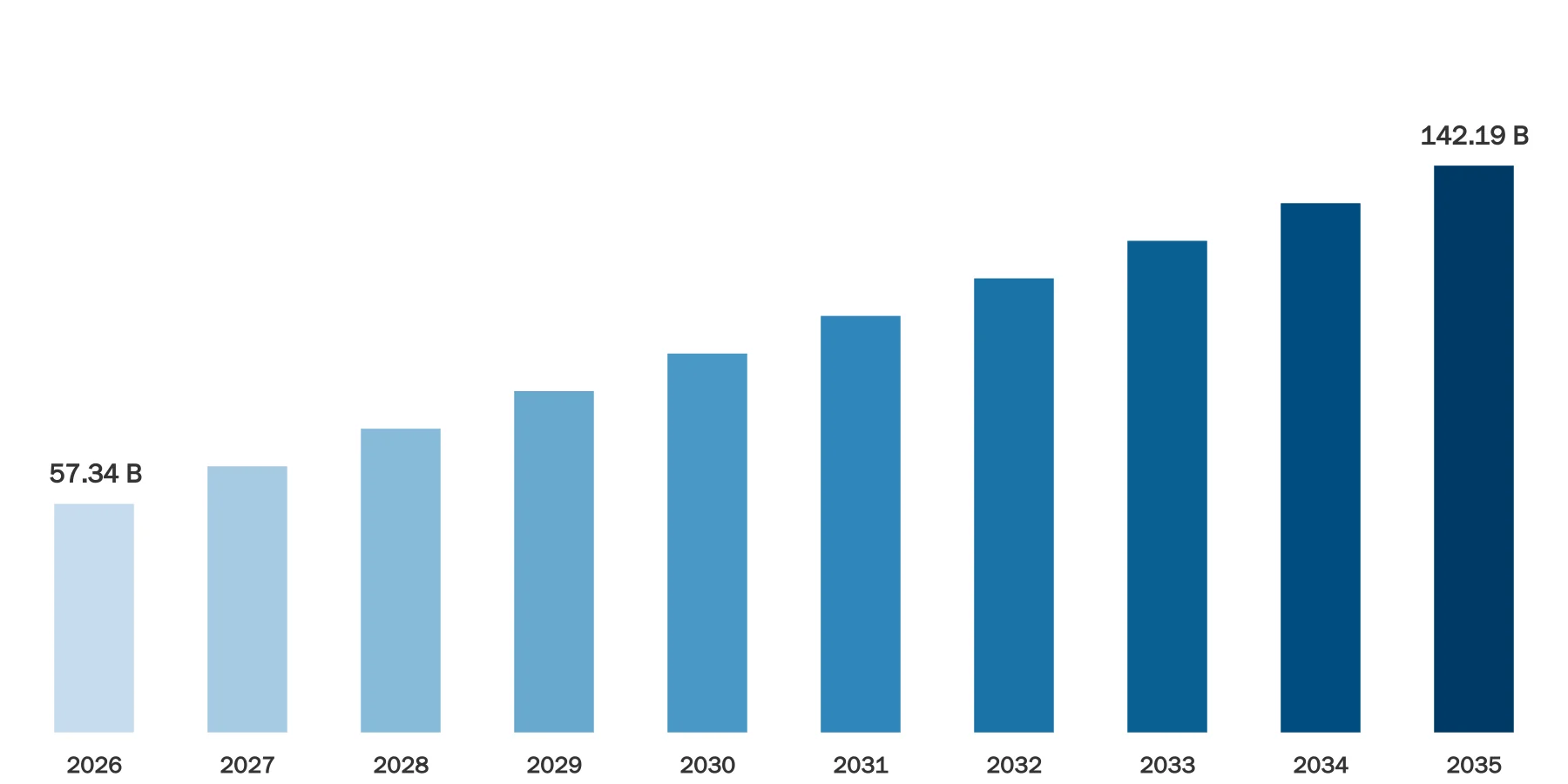
Source: Econ Market Research
Ethanol, also known as ethyl alcohol, is a type of renewable biofuel primarily derived from corn, sugarcane, or other organic materials. Ethanol vehicles are designed to run on a blend of ethanol and gasoline, commonly known as E85, or on pure ethanol, which is denoted as E100. These vehicles are considered environmentally friendly alternatives to traditional gasoline-powered cars due to ethanol',s lower greenhouse gas emissions and renewable nature.
The growing concern over climate change and the desire to reduce our reliance on fossil fuels have contributed to the recent boom in the ethanol vehicle market. Government policies that encourage the use of biofuels, combined with incentives for producing and using ethanol, have further boosted this market',s expansion. Advancements in technology have also played a role by increasing the efficiency and performance of ethanol vehicles, making them more desirable to consumers. Moreover, major automotive companies have begun manufacturing flexible-fuel vehicles, which can run on different ethanol blends, expanding the market',s reach even further.
Ethanol Vehicle Dynamics
Rising environmental concerns and the need for eco-friendly transportation drive the growth of ethanol, seen as a cleaner fuel choice than gasoline. Government policies and regulations favouring renewable energy and reducing emissions shape the market, offering incentives for ethanol production and use. Additionally, uncertainties in oil prices and geopolitical factors influence consumer choices towards ethanol-powered vehicles, providing a reliable and domestically available fuel source.
Technological advancements in ethanol production methods and vehicle engineering contribute to market expansion by improving fuel efficiency, engine performance, and compatibility with ethanol blends. Additionally, consumer awareness and preferences for eco-friendly vehicles influence market demand, with growing interest in ethanol-powered cars as part of a broader shift towards greener transportation options. Despite these positive drivers, challenges such as limited infrastructure for ethanol distribution and refueling stations, as well as concerns about food crop diversion for fuel production, pose constraints to market growth.
Ethanol Vehicle Drivers
Environmental Regulations and Policies
Government policies that require the use of renewable fuels and limit greenhouse gas emissions are major factors driving the growth of the ethanol vehicle market. Policies like the United States', renewable fuel standards (RFS) and the European Union',s Renewable Energy Directive (RED) create conditions that encourage the use of ethanol. Through incentives like subsidies, tax credits, and blending requirements, these policies support ethanol production and consumption, leading to market expansion. Furthermore, increased public concern about environmental issues and the demand for cleaner transportation choices are also boosting demand for ethanol vehicles.
Fluctuating Oil Prices and Energy Security Concerns
Volatile oil prices and geopolitical tensions affecting fossil fuel supplies drive interest in ethanol vehicles as a means to reduce dependence on imported oil and enhance energy security. Ethanol, derived from domestic agricultural resources, offers a stable and domestically sourced alternative to petroleum-based fuels. During periods of high oil prices or supply disruptions, consumers and policymakers alike are motivated to invest in ethanol infrastructure and vehicles as a strategic hedge against energy price volatility and geopolitical risks. This driver encourages market expansion by diversifying fuel sources and promoting sustainable energy independence.
Restraints:
Infrastructure Limitations
The main obstacle for the ethanol vehicle industry is the lack of enough filling stations and distribution networks for ethanol. Although gasoline has a large network of gas stations worldwide, ethanol infrastructure is still relatively limited, particularly in areas where ethanol use is low. The expansion of the ethanol vehicle market and its acceptance by customers are hampered by the absence of sufficient infrastructure. This is because drivers could be put off by the difficulty of locating filling stations that sell ethanol.
Feedstock Competition and Food Security Concerns
Ethanol production using crops like corn and sugarcane raises worries about ensuring enough food (food security). This competition for land and water resources can drive up food costs, making it harder for people to get enough food, especially in poor countries. Critics worry that using food crops to make fuel could lead to food price increases and hunger. These concerns highlight the challenge of using ethanol in vehicles without harming food supplies. To reduce any negative effects on food production, we need to find better ways to make ethanol and use new technologies.
Opportunities:
Technological Advancements
Ongoing technological advancements in ethanol production methods and vehicle engineering present significant opportunities for market growth. Innovations such as cellulosic ethanol production, which utilizes non-food feedstocks such as agricultural residues and dedicated energy crops, offer a more sustainable and scalable approach to ethanol production. Furthermore, advancements in engine design and fuel injection systems enhance the compatibility and performance of ethanol vehicles, improving fuel efficiency and reducing emissions. These technological developments drive innovation within the ethanol vehicle market, expanding its appeal and competitiveness in the automotive industry.
Segment Overview
Vehicle Type
Vehicle type segmentation in the ethanol vehicle market encompasses various categories, each with its own significance and potential for ethanol adoption. High commercial vehicles, including heavy-duty trucks and buses, represent a critical segment in the ethanol vehicle market. Adoption of ethanol in these vehicles offers opportunities for substantial reductions in greenhouse gas emissions and dependence on traditional fossil fuels, contributing to sustainability goals in the commercial transportation industry. Low commercial vehicles, such as light-duty trucks and delivery vans, play a crucial role in urban logistics and last-mile delivery services.
Ethanol adoption in these vehicles presents opportunities for fleet operators to reduce operating costs and environmental impact through the use of renewable fuels. Ethanol',s versatility and compatibility with existing vehicles make it a popular choice in various commercial applications. Notably, passenger vehicles like cars, SUVs, and other personal transportation options account for the largest portion of ethanol usage. This growth is driven by consumer preference for greener and more efficient vehicles. Additionally, government policies and incentives encourage ethanol adoption, providing drivers with a renewable fuel option that can reduce emissions and enhance energy independence.
Fuel Type
Segmentation by fuel type in the ethanol vehicle market reflects the diverse range of fuel options and their implications for ethanol adoption. Gasoline remains the predominant fuel type in the global automotive market, presenting opportunities for ethanol adoption through blending strategies. Ethanol-blended gasoline, such as E10 or E85, offers a transitional pathway for ethanol integration in gasoline-powered vehicles.
The gasoline segment represents a significant market for ethanol expansion, leveraging existing infrastructure and compatibility with mainstream vehicle fleets. Diesel is commonly used in commercial vehicles such as trucks, Construction Equipment, and farming machinery. Although ethanol is usually used in gasoline-powered vehicles, researchers are now mixing ethanol with diesel to create ethanol diesel blends (EDBs). Using EDBs in diesel engines could reduce pollution and improve fuel efficiency, especially in heavy-duty and high-mileage vehicles. This makes the diesel market a potential area of growth for the ethanol industry.
Ethanol Vehicle Overview by Region
In North America, particularly in the United States and Canada, robust regulatory frameworks and incentives promote ethanol adoption, driving market growth. The Renewable Fuel Standard (RFS) in the US mandates the blending of renewable fuels like ethanol into transportation fuel, fostering a supportive environment for ethanol vehicles. Additionally, the presence of a well-established ethanol production industry and widespread availability of ethanol-blended fuels further accelerates market expansion. In Europe, countries like Sweden and Germany lead the way in ethanol vehicle adoption, supported by ambitious climate goals and strong renewable energy policies.
The European Union',s Renewable Energy Directive (RED) mandates the use of renewable fuels in transportation, providing a regulatory framework for ethanol market development. Furthermore, advancements in ethanol production technology, such as cellulosic ethanol, offer opportunities for sustainable ethanol sourcing and production. In emerging markets like Brazil and China, growing concerns about air pollution and energy security drive interest in ethanol vehicles as part of broader renewable energy initiatives. Brazil, a global leader in ethanol production from sugarcane, boasts a robust ethanol vehicle market supported by extensive infrastructure and government incentives. Similarly, China',s push towards clean energy and electric vehicles includes initiatives to promote ethanol blending in gasoline and develop ethanol-powered vehicles.
Ethanol Vehicle Market Competitive Landscape
Leading automakers such as Ford, General Motors, and Toyota have invested in ethanol vehicle development, offering flexible-fuel vehicles capable of running on ethanol blends. These companies leverage their extensive research and development capabilities to enhance engine efficiency and performance, while also collaborating with biofuel producers to ensure compatibility with ethanol fuels. Biofuel producers such as Archer Daniels Midland (ADM), POET, and Brazil',s Raí,zen play a pivotal role in the market, supplying ethanol fuels and advocating for policies that support ethanol adoption.
These companies invest in ethanol production facilities and research initiatives to improve production efficiency and sustainability. Additionally, emerging technology firms like Gevo and LanzaTech explore innovative approaches to ethanol production, such as using waste Biomass or carbon capture technology, which could further revolutionize the ethanol vehicle market. Competition intensifies as companies vie for market share amidst evolving regulatory landscapes and shifting consumer preferences towards sustainable transportation solutions. Collaborations and partnerships between automotive manufacturers, biofuel producers, and technology firms are increasingly common, reflecting the interconnected nature of the ethanol vehicle market and the shared goal of advancing renewable energy technologies.
Ethanol Vehicle Market Leading Companies:
Toyota Motor Corporation
Ford Motor Company
General Motors
Volkswagen AG
Honda Motor Co., Ltd.
BMW AG
Daimler AG
Nissan Motor Corporation
Mitsubishi Motors Corporation
Scania
AB Volvo
Ethanol Vehicle Recent Developments
Aug 2023, Indian Union Minister of Road Transport &, Highways, Nitin Gadkari, introduced a 100% ethanol-powered version of Toyota',s Innova car. This car marks the world',s premiere of a BS-VI (Stage-II), electrified flex-fuel vehicle.
Ethanol Vehicle Report Segmentation
Ethanol Vehicle Market Report Scope & Segmentation
| Attributes | Details |
|---|---|
Market Size (Current) | US$ 57.34 Billion in 2026 |
Market Size (Forecast) | US$ 142.19 Billion in 2035 |
Growth Rate | CAGR of 10.5% from 2026 to 2035 |
Forecast Period | 2026 – 2035 |
Base Year | 2025 |
Historical Data Available | Yes |
Regional Scope | Global |
Segments Covered | By Fuel Type
By Vehicle Type
|
Frequently Asked Questions
Common questions about this report
The study period covers historical insights and forecast projections for the period 2026-2035.
About the Author
Market research expert with years of industry experience

Dipali Bhingare serves as the Market Research Director at Econ Market Research. With a focus on translating complex global economic shifts into actionable business intelligence, she oversees the strategic direction of comprehensive market studies. Her work empowers organizations to navigate volatile industries through data-driven forecasting and deep-dive competitive analysis.
Related Reports
Explore more market insights from the same category