

Engineered Wood Flooring Market
Engineered Wood Flooring Market Size, Share, Trends, Growth, and Industry Analysis, By Product (Engineered Wood, Reclaimed/Thermally Treated), By Installation Method (Nail Down, Glue Down, Floating), By End-User (Residential, Commercial), Regional Analysis and Forecast Period 2026-2035
Engineered Wood Flooring Market Overview
As per Econ Market Research analysis, the Global Engineered Wood Flooring Market accounted for US$ 9.35 Billion in 2026 and is expected to surpass US$ 14.4 Billion by 2035, witnessing a CAGR of 4.9% throughout 2026–2035. The analysis is based on 2025 as the base year.
Engineered Wood Flooring Market Size 2025-2035 (USD Billion)

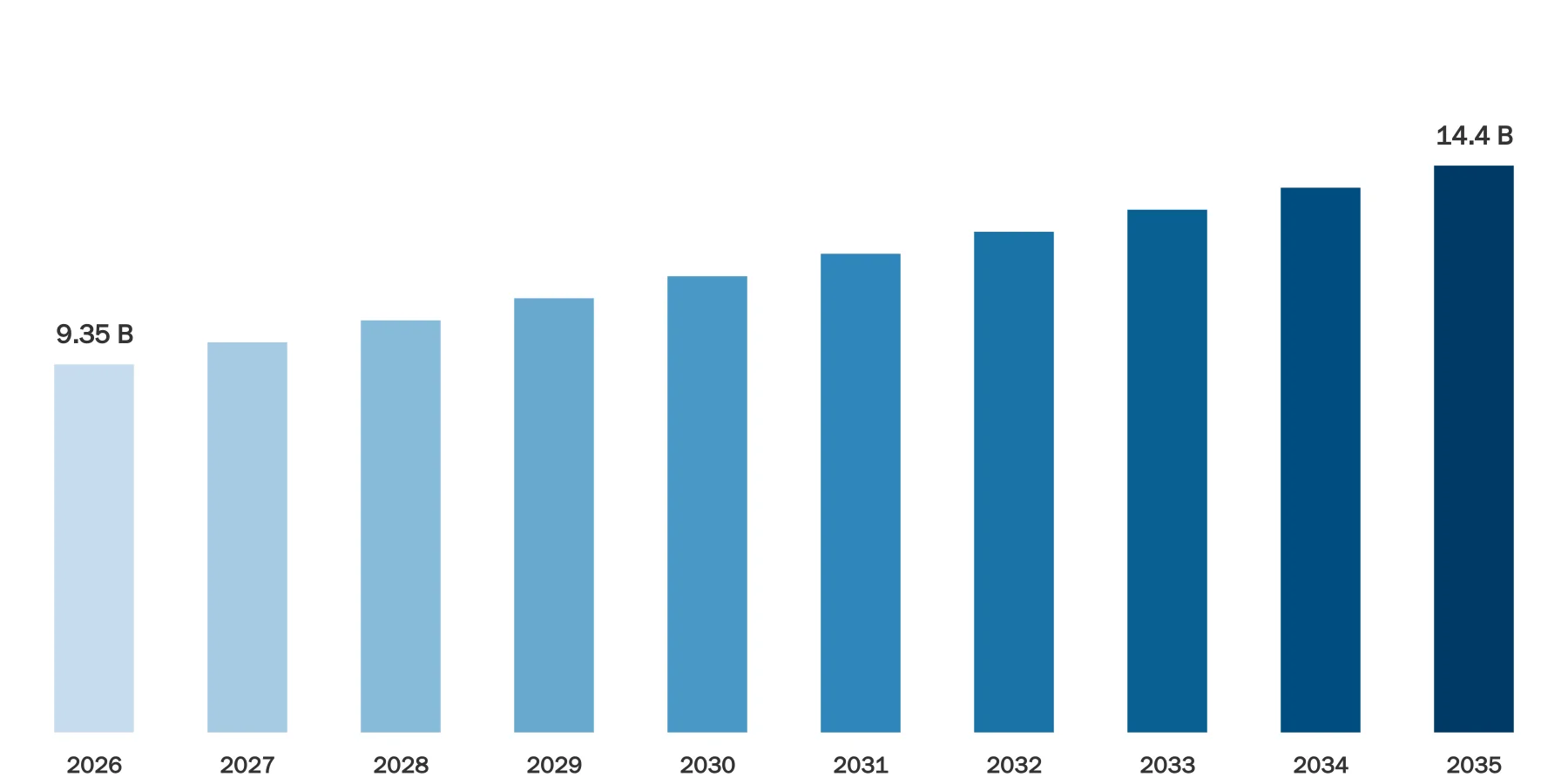
Source: Econ Market Research
An attractive and long-lasting substitute for conventional hardwood Flooring is engineered wood flooring. It is more resistant to moisture and temperature changes than solid wood since it is made of several layers of glued wood veneer. Its design increases stability and lowers the possibility of warping or cupping. To satisfy a range of aesthetic tastes, engineered wood flooring is available in a number of designs, coatings, and wood species. It appeals to both professionals and do-it-yourselfers because of its simple installation techniques, such as click-lock systems. Because it uses less solid wood than regular flooring, it is more environmentally friendly and is becoming more and more well-liked.
ENGINEERED WOOD FLOORING MARKET:
Engineered Wood Flooring Dynamics
Demand has increased as people become more conscious of ecologically friendly building methods and sustainable building materials. It',s a popular choice because of its better stability, moisture resistance, and durability than solid wood. Furthermore, improvements in manufacturing technology have increased design options by providing a broad selection of finishes, styles, and wood species to accommodate a variety of tastes. Economical aspects like affordability and simplicity of installation also support its expansion. However, market participants face difficulties because to shifting raw material prices and competition from alternative flooring solutions, which calls for constant innovation and market strategies.
Engineered Wood Flooring Drivers
Increasing Demand for Real Wood Look
Customers who want the classic beauty and organic warmth of genuine wood without compromising on sustainability or performance are driving up demand for engineered wood flooring with a real wood look. Engineered wood presents a compelling substitute by giving increased stability and durability together with authentic wood grain patterns and visual depth. This trend stems from the desire to design warm, visually appealing rooms that capture the allure of classic hardwood floors while also catering to the demands of contemporary living and environmental concerns.
Expansion in Construction and Renovation Activities
Engineered wood flooring',s flexibility to different project scopes and versatility is what drives the growth in building and renovation activities, which in turn drives the demand for the flooring. Engineered wood flooring is a cost-effective option with an increase in renovations and other home and commercial building projects. Both new building and renovations find it to be a desirable option because to its simplicity of installation and compatibility with various subfloor types. As the building industry booms, this trend represents the changing tastes of developers and property owners looking for flooring solutions that are both visually appealing and functional.
Restraints:
Price Sensitivity and Competition from Low-Cost Alternatives
Engineered wood is seeing rising competition from less expensive flooring options like vinyl and laminate as consumers place a higher value on affordability. Despite the higher quality and aesthetics of engineered wood, purchasing decisions are frequently influenced by budgetary restraints. Furthermore, makers of engineered wood face pressure on their profit margins from competitors', aggressive price practices. This difficulty emphasizes the necessity for creative product differentiation and marketing strategies to counteract consumers', price sensitivity and showcase the benefits of artificial wood.
Challenges in Recycling and Disposal at End of Life
Engineered wood, as opposed to solid wood, frequently has additives and other components that make recycling more difficult. There are few options for disposal because engineered wood is difficult to recycle or repurpose, which raises environmental issues. In addition to adding to the expenses and logistical challenges for waste management facilities and consumers, proper disposal techniques can also discourage sustainable activities and increase landfill formation.
Opportunities:
Increasing Demand for Green Building Materials
Engineered wood complements this trend nicely because of its sustainability and environmental friendliness. Products with a reduced carbon footprint and resource depletion are becoming more and more popular as environmental responsibility becomes more important to consumers and businesses. These requirements are met by engineered wood, which is produced with sustainable timber resources and effective production techniques. This trend encourages market expansion by positioning engineered wood flooring as the preferred option for environmentally friendly building and renovation projects.
Collaboration with Interior Designers and Architects
Through collaboration with these experts, manufacturers may leverage their knowledge and innovative ideas to highlight the adaptability and visual appeal of engineered wood flooring in a range of design concepts. Through this partnership, creative flooring solutions customized to certain areas and design tastes can be developed, increasing the visibility and attractiveness of the product among discriminating customers. These collaborations also help brands become more credible and well-known among designers, which promotes market growth.
Segment Overview
By Type
Based on type, the global engineered wood flooring market is divided into solid wood flooring, solid flooring, hardwood flooring, SPC/WPC flooring, and others. The solid wood flooring category dominates the market with the largest revenue share in 2023. Solid wood flooring, usually from hardwoods like oak, maple, or walnut, is referred to here. In addition to its inherent beauty and longevity, solid wood flooring may be repeatedly sanded and refinished.
Plywood or wood veneer layers joined together with adhesives make up engineered wood flooring. Hardwood flooring is distinguished by its inherent beauty, longevity, and durability. It comes in both solid wood and engineered wood variants. WPC (Wood Plastic Composite) and SPC (Stone Plastic Composite) engineered vinyl flooring alternatives offer exceptional water resistance and durability, simulating the appearance of wood.
By Application
Based on the application, the global engineered wood flooring market is categorized into household, commercial, and others. The household category leads the global engineered wood flooring market with the largest revenue share in 2023. Residential properties including single-family homes, apartments, condos, and townhouses are included in this sector.
Homeowners choose engineered wood flooring because of its sturdiness, aesthetic appeal, and ease of upkeep. It adds coziness and refinement to living rooms, kitchens, bedrooms, and other rooms in the house, enhancing the interior atmosphere. Non-residential assets such as offices, retail establishments, dining establishments, lodging facilities, educational institutions, medical centers, and other commercial structures are included in the commercial category.
Engineered Wood Flooring Overview by Region
The global engineered wood flooring market is categorized into North America, Europe, Asia-Pacific, and the Rest of the World. North America emerged as the leading region, capturing the largest market share in 2023. Due to urbanization, population expansion, and rehabilitation projects, the region enjoys a robust building industry, especially in the residential sector. Additionally, demand for environmentally friendly flooring solutions like engineered wood has increased due to growing consumer awareness of sustainability and environmental concerns.
North America has a strong distribution network and cutting-edge production technology, which guarantee high-quality items that are widely available. Numerous variables, including as the region',s developing nations', rising disposable incomes, population growth, and fast urbanization are all responsible for this rise. Additionally, the market is expanding as a result of an increase in construction activity in the residential, commercial, and industrial sectors as well as a growing demand for engineered wood flooring because of its eco-friendliness, durability, and aesthetic appeal.
Engineered Wood Flooring Competitive Landscape
In the global engineered wood flooring market, a few major players exert significant market dominance and have established a strong regional presence. These leading companies remain committed to continuous research and development endeavors and actively engage in strategic growth initiatives, including product development, launches, joint ventures, and partnerships. By pursuing these strategies, these companies aim to strengthen their market position, expand their customer base, and capture a substantial share of the market.
Engineered Wood Flooring Market Leading Companies:
Greenply Industries
Mohawk Industries
Faus
Shaw Industries
Classen Group
Kaindl Flooring Gmbh
Egger Group
Armstrong Flooring
Formica Group, and various others.
Engineered Wood Flooring Recent Developments
In May 2022, The vertically integrated forest products company Somerset Hardwood Flooring, situated in Somerset, Kentucky, has been acquired by the Swiss-based Bauwerk Group AG. Through the acquisition, Bauwerk Group AG expands its reach internationally and solidifies its position in the expanding flooring markets of North America.
Engineered Wood Flooring Market Report Segmentation
Engineered Wood Flooring Market Report Scope & Segmentation
| Attributes | Details |
|---|---|
Market Size (Current) | US$ 9.35 Billion in 2026 |
Market Size (Forecast) | US$ 14.4 Billion in 2035 |
Growth Rate | CAGR of 4.9% from 2026 to 2035 |
Forecast Period | 2026 – 2035 |
Base Year | 2025 |
Historical Data Available | Yes |
Regional Scope | Global |
Segments Covered | By Product
By Installation Method
By End-User
|
Frequently Asked Questions
Common questions about this report
The study period covers historical insights and forecast projections for the period 2026-2035.
About the Author
Market research expert with years of industry experience

Related Reports
Explore more market insights from the same category