

Encapsulated Fragrances Market
Encapsulated Fragrances Market Size, Share, Trends, Growth, and Industry Analysis, By Product Type (Fragrance Blends, Aroma Chemicals), By Application (Personal Care, Home Care, Fabric Care, Others), Regional Analysis and Forecast Period 2026-2035
Market Overview
As per Econ Market Research analysis, the Global Encapsulated Fragrances Market valuation stood at US$ 3.1 Billion in 2026 and is expected to reach US$ 6.08 Billion by 2035, growing at a steady CAGR of 7.77% from 2026 to 2035. 2025 serves as the base year.
Encapsulated Fragrances Market Size 2025-2035 (USD Billion)

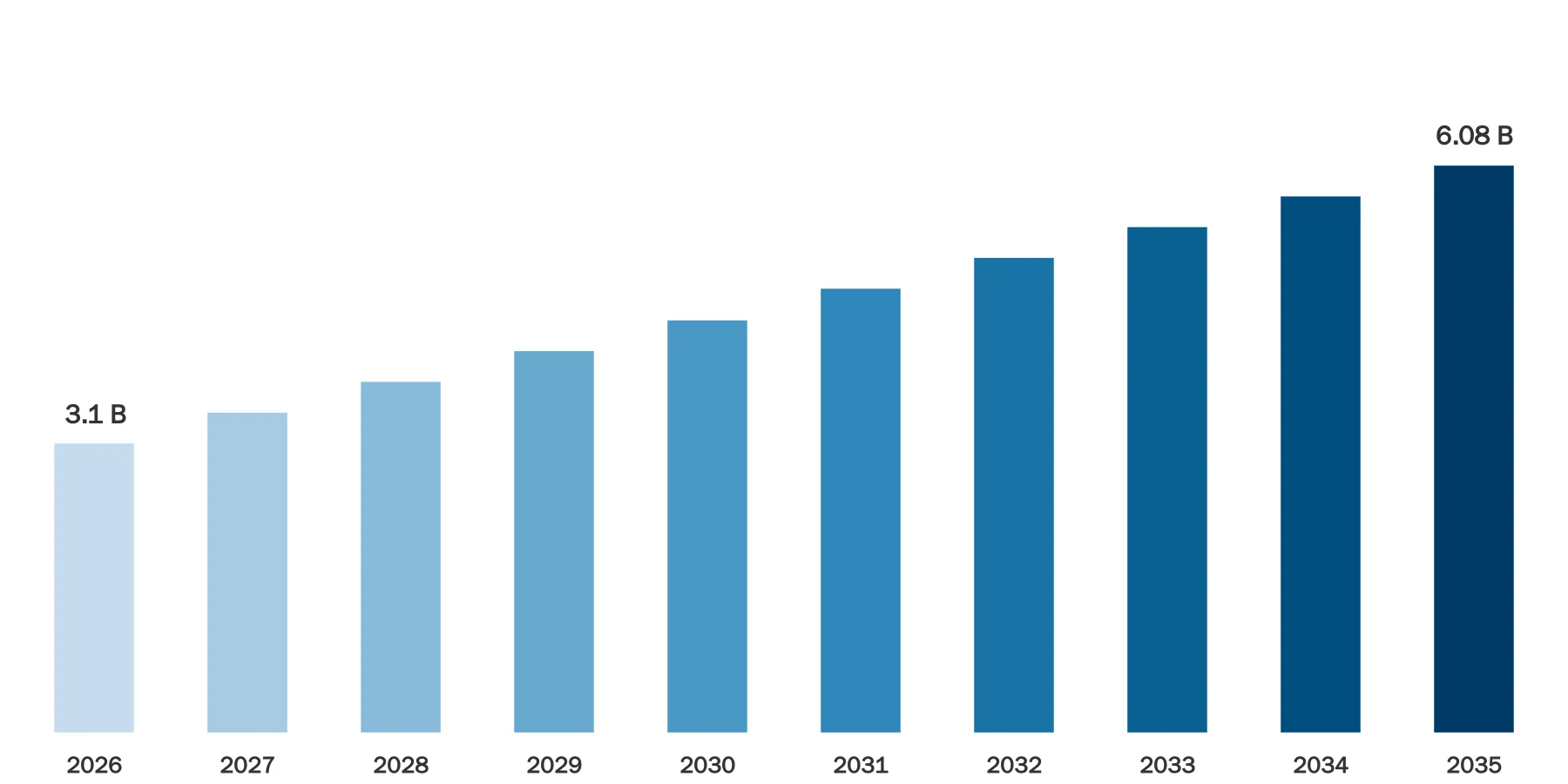
Source: Econ Market Research
The Encapsulated Fragrances are used in cosmetics, Personal Care, home care, and other sectors to release scents gradually and improve product performance and consumer satisfaction.Lately, the Global Encapsulated Fragrances market has experienced notable growth as the need for long-lasting and high-quality fragrances has increased among various consumer groups.
Factors like rising disposable income, evolving lifestyle choices, and a growing emphasis on personal grooming have driven the market forward. Moreover, advancements in encapsulation technologies have resulted in the creation of more effective and adaptable encapsulated Fragrance products, further boosting market growth. Despite facing obstacles like strict regulations on certain chemical usage in perfumes and price fluctuations in raw materials, there are still chances for growth in the Global Encapsulated Fragrances market.
The opportunities ahead include the advancement of environmentally friendly encapsulation technologies and the exploration of new markets, both of which have the potential to propel the market',s future expansion. The market is seeing a rise in demand for encapsulated fragrances in emerging markets due to quick urbanization and a growing middle-class population. The COVID-19 pandemic has emphasized the significance of hygiene and cleanliness, increasing interest in fragranced products in the healthcare and sanitation industries. Consumers are focusing on health and wellness, leading to an interest in natural and sustainable fragrances, which presents opportunities for companies to expand and diversify their product range.
Encapsulated Fragrances Dynamics
The Global Encapsulated Fragrances market is driven by different factors that influence its growth. One important factor is the growing demand from consumers for long-lasting and innovative fragrance products in various areas like personal care, cosmetics, and home care. Manufacturers are working on creating encapsulated fragrances that meet these expectations, driving the market',s expansion.
Furthermore, advancements in technology are key in influencing the market trends of encapsulated fragrances. Breakthroughs in encapsulation methods such as microencapsulation and nanoencapsulation have resulted in the creation of more effective and adaptable fragrance distribution systems. These developments not only enhance the lasting power and reliability of fragrances but also allow for precise and regulated release, meeting the needs of individual consumers. Moreover, ongoing research and development initiatives focused on enhancing the environmental sustainability and eco-friendliness of encapsulation technologies continue to drive market growth. Although there are some obstacles to overcome, such as restrictions on using specific chemicals in fragrances and price fluctuations in raw materials, there are opportunities for market players to thrive.
Encapsulated Fragrances Drivers
Consumer Demand for Long-lasting Fragrances
One major factor driving the growth of the Global Encapsulated Fragrances market is the growing trend among consumers for long-lasting fragrances. People nowadays prefer products that can maintain their freshness and scent for longer periods, whether it',s in personal care products like perfumes and deodorants or in household items like detergents and air fresheners. Encapsulated fragrances address this need by slowly releasing scent molecules, providing a prolonged sensory experience. This demand is especially high in urban areas where people have busy lifestyles and value convenience and efficiency in their buying decisions.
Technological Advancements in Encapsulation Techniques
Technological advancements in encapsulation techniques are a key factor driving the growth of the Encapsulated Fragrances market. Innovations in microencapsulation and nanoencapsulation technologies have made it possible for manufacturers to develop encapsulated fragrance products that are more stable, efficient, and versatile. These improvements allow for better control over fragrance release, leading to better performance and increased consumer satisfaction. Additionally, new eco-friendly encapsulation methods are addressing sustainability issues, meeting the demand for environmentally conscious products among consumers. As research and development efforts continue to push the boundaries of encapsulation technology, the market is poised for further expansion and diversification.
Restraints:
Regulatory Constraints on Fragrance Ingredients
The Encapsulated Fragrances market is facing challenges due to strict regulations on fragrance ingredients. Regulatory agencies limit certain chemicals in fragrances for health and environmental reasons, making it difficult for manufacturers to comply. Meeting these regulations involves testing and paperwork, raising production costs and delaying product launches. Changing standards and different rules in various regions add to the complexity, hindering market expansion.
Fluctuations in Raw Material Prices
The prices of raw materials used in encapsulation processes can fluctuate, which poses a challenge for market players. Polymers, solvents, and fragrance oils are key components that are affected by factors like supply and demand, geopolitical tensions, and currency fluctuations. These fluctuations can impact production costs and profit margins, making it difficult for manufacturers to remain competitive and profitable. Additionally, supply chain disruptions and shortages of critical raw materials can disrupt production schedules and hinder market growth, requiring effective risk management strategies to address these uncertainties.
Opportunities:
Development of Eco-friendly Encapsulation Technologies
The growing demand for sustainable and eco-friendly products presents opportunities for innovation in encapsulation technologies. Manufacturers can capitalize on this trend by investing in the research and development of eco-friendly encapsulation methods that minimize environmental impact and address consumer concerns about chemical exposure.
Technologies such as Biodegradable Polymers, natural encapsulating agents, and solvent-free encapsulation processes offer promising avenues for sustainable product development. By aligning with consumer preferences for environmentally conscious products, manufacturers can differentiate themselves in the market and gain a competitive edge, thereby unlocking new opportunities for growth and market expansion.
Segment Overview
By Product Category
There are different types of products within encapsulated fragrances, such as aroma chemicals, essential oils and natural extracts, flavour blends, and fragrance blends. Aroma chemicals are man-made compounds that are used to produce specific scents, ensuring that the fragrances are consistent and can be used in a variety of ways.
Essential oils and natural extracts are derived from plants, providing consumers with natural and authentic fragrance choices for those interested in organic and sustainable items. Flavors blends are created for use in food and drinks to enhance the aroma and taste of various products. Fragrance blends combine multiple scent components to create complex and unique fragrance compositions, catering to diverse consumer preferences across different product categories.
By Form
Fragrances that are encapsulated come in different forms, such as microencapsulates, macro-encapsulated particles, and more. Microencapsulates contain fragrance molecules inside tiny shells, which allow for controlled release and long-lasting scent dispersal. Macro-encapsulated particles hold fragrance oils within larger particles, making them more durable and versatile for use in various products. There are also other specialized encapsulation techniques available for specific industry needs, like spray-dried encapsulation or coacervation methods.
By End-user
Encapsulated fragrances are used in various industries such as cleaners, toiletries, food &, beverages, personal care &, cosmetics, and more. Cleaners use them to add pleasant scents to cleaning products, improving the overall experience. Toiletries like soaps and shampoos include encapsulated fragrances for long-lasting benefits. In the food &, beverage sector, encapsulated flavour blends enhance the appeal of products like confectionery items and beverages.
Personal care and cosmetics products use encapsulated fragrances to stand out and give consumers special scent experiences, which helps to build brand loyalty and set products apart. Encapsulated fragrances are also used in textiles, automotive, and healthcare industries to enhance the scent of products and boost consumer satisfaction.
Encapsulated Fragrances Overview by Region
The fragrance market in different regions shows different trends due to factors like economic growth, consumer choices, regulations, and industry trends. North America and Europe are leading markets with high consumer spending on premium fragrances and strict regulations for product safety. These regions have strong research and development infrastructure, promoting innovation in encapsulation technologies and product formulations.
The Encapsulated Fragrances market offers substantial growth opportunities in emerging economies across Asia-Pacific, Latin America, and the Middle East &, Africa. Factors like rapid urbanization, increasing disposable incomes, and shifting lifestyle patterns are driving the demand for fragranced products in industries such as personal care, home care, and food &, beverages. Additionally, the growing awareness of hygiene and grooming practices is contributing to market growth in these regions. Despite these positive factors, obstacles like regulatory hurdles, limited infrastructure, and cultural preferences may hinder market expansion in these developing economies. Strategic investments in distribution networks, local manufacturing capabilities, and market research are essential for capturing the growth potential offered by these regions.
Encapsulated Fragrances Market Competitive Landscape
The Global Encapsulated Fragrances market is highly competitive, driven by the presence of established multinational corporations, medium-sized enterprises, and niche players. Key market players focus on strategic initiatives such as product innovation, research and development, mergers and acquisitions, and geographic expansion to maintain their competitive edge and strengthen their market position. Multinational companies such as Givaudan SA, International Flavors &, Fragrances Inc., and Symrise AG dominate the market with their extensive product portfolios, global presence, and strong R&,D capabilities.
These companies invest significantly in developing advanced encapsulation technologies and novel fragrance formulations to cater to diverse consumer preferences and industry demands. Moreover, strategic collaborations with end-users and distribution partners enable market players to penetrate new markets and expand their customer base effectively. Alongside established players, emerging companies and start-ups focus on niche markets and innovative product offerings, leveraging agility and flexibility to capture market share. Overall, intense competition prevails in the Global Encapsulated Fragrances market, driving continuous innovation and strategic partnerships among industry participants to sustain growth and competitive advantage.
Encapsulated Fragrances Market Leading Companies:
Givaudan SA
International Flavors &, Fragrances Inc.
Symrise AG
Firmenich International SA
Frutarom Industries Ltd.
Mane SA
Takasago International Corporation
Sensient Technologies Corporation
Robertet SA
T. Hasegawa Co., Ltd.
Kerry Group plc
Huabao International Holdings Limited
Treatt plc
Encapsulated Fragrances Recent Developments
Mar 2022, Symrise unveiled advanced AI-driven flavour development techniques, empowering flavour designers with predictive modelling to efficiently screen Symrise',s inventory and identify ideal ingredients for creating Flavors.
Mar 2022, Kerry inaugurated a $137 million food technology and innovation centre in Rome, Georgia, aimed at fostering innovation and facilitating entry into new markets through cutting-edge food technologies.
Encapsulated Fragrances Report Segmentation
Encapsulated Fragrances Market Report Scope & Segmentation
| Attributes | Details |
|---|---|
Market Size (Current) | US$ 3.1 Billion in 2026 |
Market Size (Forecast) | US$ 6.08 Billion in 2035 |
Growth Rate | CAGR of 7.77% from 2026 to 2035 |
Forecast Period | 2026 – 2035 |
Base Year | 2025 |
Historical Data Available | Yes |
Regional Scope | Global |
Segments Covered | By Product Type
By Application
|
Frequently Asked Questions
Common questions about this report
The study period covers historical insights and forecast projections for the period 2026-2035.
About the Author
Market research expert with years of industry experience

Related Reports
Explore more market insights from the same category