

Digital Signature Market
Digital Signature Market Size, Share, Trends, Growth, and Industry Analysis, By Component (Software, Hardware, Services), By Deployment (Cloud, On-Premise), By End-User (BFSI, Government, Real Estate, Healthcare, Legal), Regional Analysis and Forecast Period 2026-2035
Digital Signature Market Overview
As per Econ Market Research analysis, the Global Digital Signature Market generated revenue of US$ 9.86 Billion in 2026 and is forecast to achieve US$ 73.11 Billion by 2035, at a CAGR of 24.6% during the study period 2026–2035. The base year considered is 2025.
Digital Signature Market Size 2025-2035 (USD Billion)

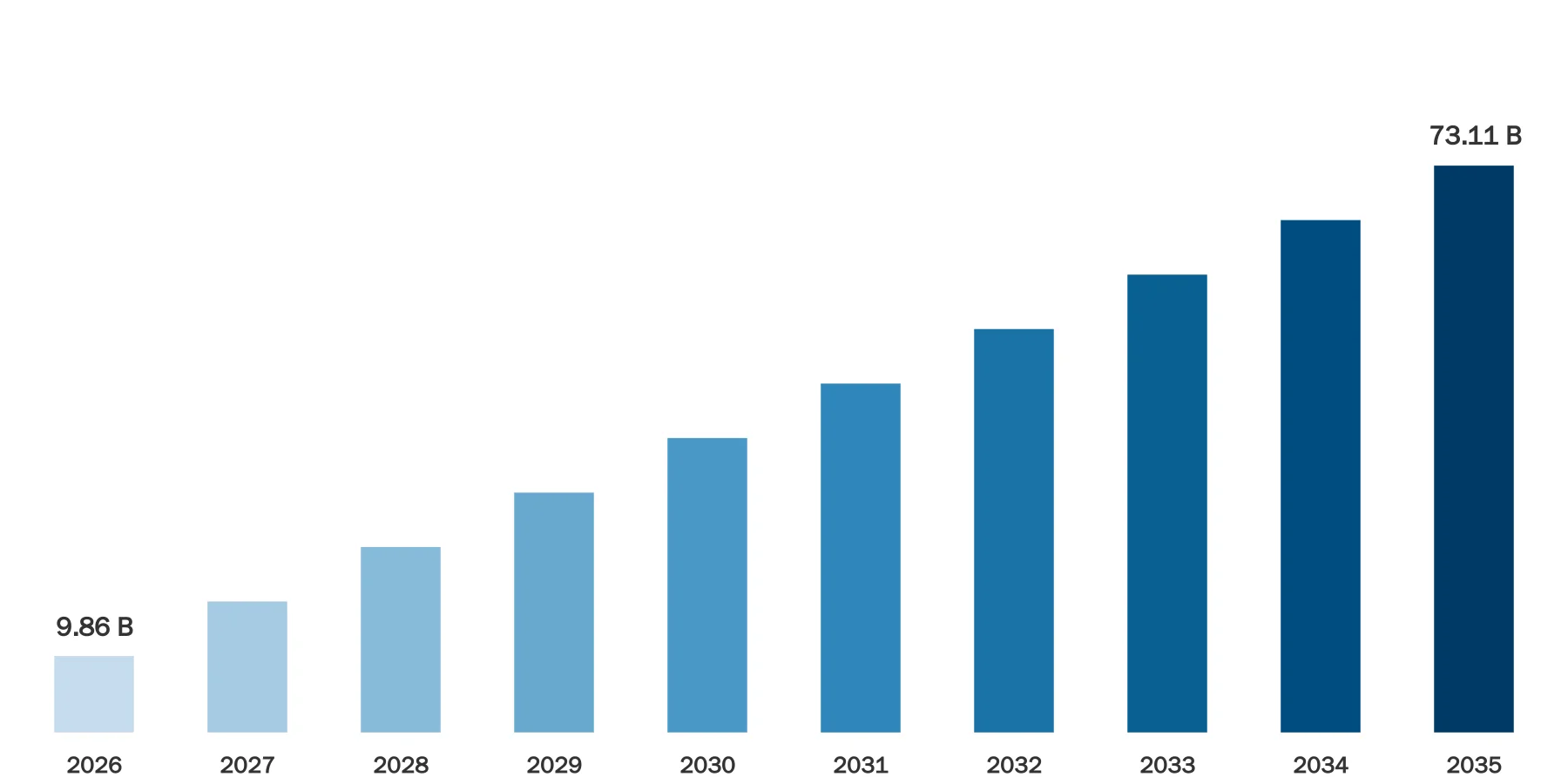
Source: Econ Market Research
The Global Digital Signature market is all about providing electronic signatures for different digital documents and transactions. These signatures are like electronic versions of handwritten signatures, used to authenticate and protect digital documents. They use cryptographic methods to confirm the signer',s identity and ensure the document hasn',t been altered after signing. Digital signatures are becoming more important in industries like finance, healthcare, legal, and government where document security and authenticity are paramount. The market offers a variety of solutions and services such as software platforms, hardware tokens, and cloud-based solutions to meet the needs of businesses and organizations worldwide.
Over the past few years, the Global Digital Signature market has experienced notable expansion, propelled by the rising popularity of digital transformation efforts and the increasing demand for reliable and effective electronic document management systems. Businesses are increasingly acknowledging the advantages of digital signatures in simplifying operations, cutting down on paperwork, and improving security and adherence to regulations. Additionally, the market growth is being driven by regulations and standards that necessitate the utilization of digital signatures across different sectors.
In the competitive market, key players constantly innovate to create advanced digital signature solutions for evolving security threats and customer needs. The use of smartphones and mobile devices has increased the accessibility of digital signatures, allowing users to sign documents on the go. As businesses and governments transition to digital operations, the Global Digital Signature market is predicted to grow consistently, providing profitable prospects for vendors offering secure and easy-to-use digital signature solutions and services.
Digital Signature Dynamics
The market for digital signatures is growing rapidly due to increasing security concerns in various industries. Organizations are relying on digital signatures to ensure the authenticity of electronic documents and protect against cyber threats and data breaches. Regulatory requirements in sectors like finance, healthcare, and government are also driving the adoption of digital signature solutions to meet compliance standards and reduce risks in handling documents manually.
Moreover, advancements in technology and innovation play a significant role in shaping the market dynamics of digital signature solutions. Vendors are actively working on improving the security, ease of use, and scalability of their products through ongoing research and development efforts. Cutting-edge technologies like blockchain and biometrics are being incorporated into digital signature platforms to enhance security measures and enhance user satisfaction.
The rising popularity of cloud-based digital signature solutions is also contributing to market expansion by providing organizations with scalability, flexibility, and cost-effective options. As businesses worldwide undergo digital transformation, the demand for advanced digital signature solutions is expected to escalate, fostering a highly dynamic market landscape characterized by innovation, competition, and evolving customer requirements.
Digital Signature Drivers
Increasing Emphasis on Security
The increase in online transactions across different sectors has led to a greater focus on security. Digital signatures are a strong tool for confirming the validity of electronic documents and maintaining data accuracy. With the rise of advanced cyber threats and data breaches, companies are turning to digital signature options more frequently to reduce the risks linked to manual document management. This trend is driven by the necessity for trustworthy and secure authentication methods that can safeguard sensitive information and ensure adherence to regulations.
Regulatory Compliance Requirements
Tough regulations in industries like finance, healthcare, and government are pushing companies to use digital signature technology to comply with electronic signature requirements. Regulations like GDPR, HIPAA, and eIDAS require organizations to have secure and legally binding e-signatures for transactions and document management. To avoid penalties and stay compliant, businesses are investing in digital signature solutions. This trend is not only a response to regulatory pressures but also a way for companies to improve efficiency and cut costs.
Restraints:
Integration Challenges
The digital signature market faces a major challenge in integrating digital signature solutions with current systems and workflows. Many organizations are hindered by outdated systems and processes that are not equipped to handle digital signatures, causing difficulties and setbacks in implementation. Integration problems can impede the adoption and effectiveness of digital signature solutions, especially for large corporations with intricate IT setups. To overcome these obstacles, thorough planning, investment in integration tools, and collaboration between IT teams and solution providers are necessary.
Security Concerns
While there has been a lot of focus on security, worries still linger among organizations and users regarding the security of digital signature solutions. There are concerns about the possibility of weaknesses in digital signature algorithms, how keys are managed, and the overall security setup. Moreover, the threat of identity theft and unauthorized access to digital signatures is a major issue, especially in industries where sensitive information is shared. To tackle these security issues, it is important to consistently monitor, update security measures, and follow the best practices in cryptographic protocols and key management.
Opportunities:
Expansion of E-commerce
The fast expansion of online shopping is creating important chances for the electronic signature industry. With the increasing number of internet transactions in retail, finance, and various other industries, there is a greater need for reliable and legally acceptable electronic signatures to simplify digital agreements, contracts, and payments. Electronic signature platforms help businesses improve their e-commerce operations, build stronger trust with customers, and lower the chances of fraudulent activities, boosting growth in the online shopping sector.
Segment Overview
By Enterprise Size
When it comes to digital signatures, it',s important to consider the size of the enterprise. Large companies have intricate processes and deal with a high number of transactions, so they need digital signature solutions that can scale and offer advanced features. On the other hand, small and medium enterprises are looking for affordable and user-friendly options that fit their specific needs.
By understanding the different requirements of these customer segments, digital signature providers can create customized solutions and pricing plans that meet the diverse needs of each market segment. Large enterprises may prioritize advanced features, integration capabilities, and enterprise-grade security, while SMEs may value simplicity, affordability, and ease of use.
By Deployment
When digital signature solutions are segmented by deployment method, it means determining how they are implemented within an organization',s IT infrastructure. Cloud-based deployments mean the solution is hosted on external servers by a third-party provider, allowing for scalability, flexibility, and access from anywhere with an internet connection.
On-premises deployments, meanwhile, involve setting up and managing the solution within the organization',s own infrastructure, offering more control and customization but requiring a larger initial investment and IT resources. This segmentation allows organizations to choose the deployment model that best aligns with their security requirements, regulatory compliance needs, budget constraints, and IT strategy.
By Level
While segmenting by signature level, it is important to differentiate between varying levels of authentication and legal validity offered by digital signatures. Qualified Electronic Signatures (QES) meet strict regulatory standards and cryptographic requirements, providing the highest level of legal validity and security for electronic signatures. QES are commonly used in heavily regulated transactions and documents that must adhere to strict legal and industry standards.
Advanced Electronic Signatures (AES), while not as stringent as QES, still provide a high level of security and legal validity for most business transactions and contracts. This segmentation allows organizations to choose the appropriate level of electronic signature based on the sensitivity and regulatory requirements of their documents and transactions.
By End User
Government agencies, for example, use digital signatures for things like citizen services and contract management. In healthcare and life sciences, digital signatures are used for Electronic Health Records and patient consent forms. Educational institutions also make use of digital signatures for student enrolment and academic agreements. And in BFSI sectors, digital signatures are used for loan applications and financial agreements.
IT and telecommunications companies rely on digital signatures for tasks such as software licensing, service agreements, and network security. Retailers also make use of digital signatures for managing their supply chains, vendor contracts, and customer transactions. In addition, Real Estate firms leverage digital signatures for handling property sales contracts, lease agreements, and legal documentation. By catering to the unique requirements and regulations of each industry sector, digital signature providers can deliver customized solutions that offer the greatest value and relevance to end users.
Digital Signature Overview by Region
The market for digital signatures is influenced by different factors in different regions. North America has a strong IT infrastructure and strict regulations, making it a leading market for digital signature solutions in sectors like finance, healthcare, and government. In Europe, data protection laws like GDPR are driving demand for secure electronic signatures, especially in industries that need to meet legal standards.
The Asia-Pacific region is seeing fast growth opportunities, thanks to the growing e-commerce industry, government efforts for digital transformation, and a growing awareness of Cyber Security risks. Countries such as China and India are seeing a big increase in digital signature technology, largely due to government mandates and the rise of digital transactions. Latin America and the Middle East &, Africa are also starting to embrace digital signatures, even though they are moving at a slower pace due to issues like limited infrastructure, regulatory hurdles, and economic challenges.
Digital Signature Market Competitive Landscape
Established players such as Adobe Inc., DocuSign Inc., and Gemalto NV dominate the market with their comprehensive suites of digital signature solutions catering to diverse industry verticals and customer segments. These market leaders focus on enhancing product features, expanding global reach, and strengthening partnerships with industry stakeholders to maintain their competitive edge.
Additionally, emerging players and start-ups are entering the market with niche solutions targeting specific use cases or industry segments, intensifying competition and driving innovation. Collaboration with technology providers and integration with complementary solutions such as identity verification, document management, and workflow automation are key strategies adopted by players to broaden their product portfolios and address evolving customer needs. As the digital signature market continues to evolve, competition is expected to intensify further, prompting vendors to innovate and differentiate their offerings to capture market share in this rapidly growing industry.
Digital Signature Market Leading Companies:
Adobe Inc.
DocuSign Inc.
Gemalto NV
Zoho Corporation
OneSpan Inc.
SIGNiX Inc.
Ascertia Ltd.
Entrust Datacard Corporation
RPost Communications Limited
Secured Signing Limited
HelloSign Inc.
AlphaTrust Corporation
Legalesign Limited
DigiCert Inc.
eMudhra Limited
Notarius Inc.
KeepSolid Inc.
Digital Signature Recent Developments
Feb 2023, Zoho enhanced its Zoho Sign service for ISVs and OEMs, enabling them to integrate Zoho',s digital signature features seamlessly into their products. The updated service offers robust APIs, mobile SDKs, SSO authentication, and customizable branding for a stronger brand identity.
Jan 2023, DocuSign partnered with TechnoBind to introduce eSignature technology to the Indian market, aligning with the Digital India campaign. This collaboration leveraged DocuSign',s applications and integrations to streamline the agreement process, including eSignature, contract lifecycle management, and document creation.
Sep 2022, IDnow partnered with Adobe Document Cloud to simplify and enhance identity verification for verified signatures. Integration with IDnow allowed Adobe Acrobat Sign users to verify their identity using IDnow videoident or autoident, ensuring legally binding electronic signatures.
Digital Signature Report Segmentation
Digital Signature Market Report Scope & Segmentation
| Attributes | Details |
|---|---|
Market Size (Current) | US$ 9.86 Billion in 2026 |
Market Size (Forecast) | US$ 73.11 Billion in 2035 |
Growth Rate | CAGR of 24.6% from 2026 to 2035 |
Forecast Period | 2026 – 2035 |
Base Year | 2025 |
Historical Data Available | Yes |
Regional Scope | Global |
Segments Covered | By Component
By Deployment
By End-User
|
Frequently Asked Questions
Common questions about this report
The study period covers historical insights and forecast projections for the period 2026-2035.
About the Author
Market research expert with years of industry experience

Related Reports
Explore more market insights from the same category