Digital Brain Health Market Overview
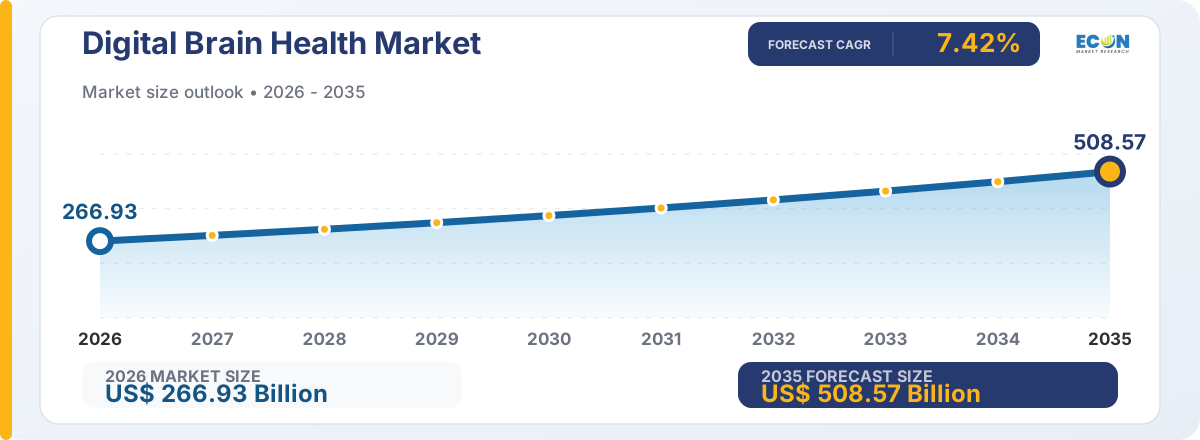
As per Econ Market Research analysis, the Global Digital Brain Health Market was estimated at US$ 266.93 Billion in 2026 and is forecast to attain US$ 508.57 Billion by 2035, expanding at a CAGR of 7.42% between 2026 and 2035. The base year for the study is 2025.
The digital brain health market is a rapidly growing sector that aims to use technology to improve brain function, prevent cognitive decline, and manage neurological disorders. The market includes a wide range of digital products and services that use innovative technologies such as Artificial Intelligence, virtual reality, and mobile applications to enhance brain health and cognitive function. These products and services are targeted towards individuals, healthcare providers, and research institutions, and can be used for a variety of purposes, such as brain training, cognitive assessment, and treatment of neurological disorders.
the aging population and the growing awareness of the importance of brain health have also contributed to the growth of the digital brain health market. As people age, they may experience cognitive decline, and digital brain health tools offer a non-invasive and accessible way to improve cognitive function and delay the onset of cognitive decline. Furthermore, the COVID-19 pandemic has also accelerated the adoption of digital health tools, including those related to brain health, as more people are staying at home and seeking virtual solutions for their health needs.
While digital tools for brain health show great potential, it',s important to note that their effectiveness is still being researched and debated. The scientific community is working to understand how these tools can be best used to improve cognitive function and prevent neurological disorders. It',s also important for individuals to be cautious when using these tools and to seek advice from a medical professional before incorporating them into their routine.
the aging population is one of the major drivers of the digital brain health market, as age is a significant risk factor for neurological disorders and cognitive decline. In addition, the cost-effectiveness of digital tools compared to traditional interventions and therapies has made them an attractive option for individuals and healthcare providers. The growing awareness of Mental Health and the need to address it has also contributed to the market',s growth, with digital tools offering a convenient and accessible way to manage mental health conditions. Overall, the market is expected to continue expanding as technology advances and more research is conducted on the effectiveness of these digital tools in improving brain health and preventing neurological disorders.
COVID-19 Impact
The COVID-19 pandemic and subsequent lockdown measures have led to a surge in demand for digital brain health products and services, as people have become more aware of the importance of maintaining good cognitive function and mental health while being confined to their homes. The pandemic has also forced healthcare providers to adopt new ways of delivering care, including the use of digital tools and telehealth services, which has further fueled the growth of the digital brain health market.
Market Drivers
As the world',s population continues to age, the risk of developing age-related neurological disorders increases. The use of digital brain health tools and services can help older adults maintain cognitive function and reduce the risk of developing these conditions. This demographic shift towards an aging population is expected to drive demand for digital brain health tools and services, as well as research into new and innovative solutions to support brain health in older adults.
Digital brain health tools can provide a convenient and cost-effective option for older adults who want to maintain their cognitive function and independence. By offering these tools, healthcare providers can help individuals improve their cognitive abilities, reduce their risk of developing neurological disorders, and improve their overall quality of life. Additionally, digital brain health tools can be easily accessed from home, which can be especially helpful for older adults who may have mobility or transportation issues.
The use of digital tools to support mental health is a growing trend, and many apps and services are now available that offer features like guided meditations, relaxation exercises, and tools for managing anxiety and depression. These tools can be particularly helpful for individuals who may not have access to traditional mental health services or who prefer a more flexible and personalized approach to managing their mental health. The COVID-19 pandemic has also accelerated the adoption of these tools as individuals seek ways to manage their mental health while dealing with the stresses of the pandemic.
Digital brain health tools have the potential to help individuals build resilience and manage their mental health, which can reduce the risk of developing mental health disorders. As awareness of mental health grows, there is a growing demand for these tools and services, and they are well-positioned to meet this demand and play an important role in the future of brain health care.
Market Challenges
Additionally, there may be concerns about the privacy and security of personal health data when using digital brain health tools and services, which can be a barrier to adoption. Some individuals may be hesitant to use digital tools for health-related purposes, preferring face-to-face interactions with healthcare providers. Moreover, the effectiveness of some digital brain health tools and services in improving cognitive function and preventing neurological disorders is still being researched and debated within the scientific community, which can limit their adoption by healthcare providers and consumers.
Improving access to digital technology and services is important to ensure that everyone can benefit from the potential of digital brain health tools and services. This can be achieved through collaborations between private sector companies and governments to expand technology infrastructure and provide more affordable access to digital tools and services. Additionally, public awareness campaigns and education initiatives can help raise awareness about the benefits of digital brain health tools and services, and how to use them effectively. By addressing these barriers, the digital brain health market can continue to grow and improve accessibility for all individuals.
Segments Analysis
By Functionality Insights
The clinical functionality segment includes a range of digital tools and services designed to support healthcare providers in the diagnosis, treatment, and management of brain health disorders. These tools include cognitive assessment tools, diagnostic imaging software, Electronic Health Records (EHRs), and telehealth services that enable remote consultations and monitoring of patients. The clinical functionality segment is expected to continue to dominate the digital brain health market due to the increasing demand for these tools and services by healthcare providers to improve patient care and outcomes.
By Component Insights
Software solutions in the digital brain health market are generally more popular than hardware solutions because they offer greater flexibility and scalability. Software solutions can be easily updated and customized to meet the changing needs of healthcare providers and patients. Additionally, software solutions are typically more cost-effective than hardware solutions, which can be expensive to develop and maintain. Software solutions in the digital brain health market can include mobile applications, web-based platforms, and cloud-based solutions. These solutions can be used for a variety of purposes, such as cognitive assessments, brain training, and mental health management.
The software component of the digital brain health market includes various digital tools and applications that healthcare providers can use to support patient care and improve outcomes. For example, telehealth solutions can enable healthcare providers to remotely monitor and treat patients with brain health disorders, while electronic health records can help providers track and manage patient information more efficiently. Additionally, mobile apps and clinical decision support systems can help healthcare providers provide more personalized and effective care to patients with brain health disorders. As a result, the software segment is expected to continue to account for the majority of the digital brain health market.
By End-User Insights
Additionally, hospitals have access to a wider range of resources and can afford to invest in more comprehensive digital brain health solutions. However, specialty clinics are also an important end-user in the digital brain health market, particularly for specific brain health disorders such as Alzheimer',s and Parkinson',s disease. These clinics typically have specialized expertise and can provide more targeted and personalized care to patients. Other end-users in the market include rehabilitation centers, long-term care facilities, and research institutions.
By Regional Insights
In addition to North America, other regions, such as Europe and Asia-Pacific, are also expected to experience significant growth in the digital brain health market due to factors such as increasing healthcare spending, growing awareness of mental health, and the rise in the number of individuals with brain health disorders. However, regulatory hurdles, limited access to technology, and high costs may pose challenges to the growth of the digital brain health market in some regions.
Recent Developments
In November 2021: - digital health company Headspace announced the acquisition of the AI-powered mental health app Alpine AI to enhance its offerings in the digital mental health space.
In July 2022: - Cognivue announced the launch of a large-scale US study further to differentiate the effectiveness of its cognitive assessment systems.
Key Market Players
Linus Health
Medibio
The Echo Group
Spring Care
Inc. Qualifacts Systems, Inc.
NXGN Management
Netsmart Technologies
IBM
Holmusk
Core Solutions, Inc.
Cerner Corporation
Digital Brain Health Market Report Scope & Segmentation
| Attributes | Details |
|---|---|
| Market Size (Current)Current market valuation | US$ 266.93 Billion in 2026 |
| Market Size (Forecast)Projected market valuation | US$ 508.57 Billion in 2035 |
| Growth RateCompound Annual Growth Rate | CAGR of 7.42% from 2026 to 2035 |
| Forecast PeriodAnalysis timeline | 2026 – 2035 |
| Base YearReference year for analysis | 2025 |
| Historical Data AvailablePast market data availability | Yes |
| Regional ScopeGeographical coverage | Global |
| Segments CoveredMarket segments analyzed | By Functionality
By Component
By End-User
|
Leading companies covered in this report
- Akili Interactive
- Pear Therapeutics
- Cogstate
- Lumos Labs (Lumosity)
- Posit Science (BrainHQ)
- Neurotrack
- Linus Health
- CogniFit
Frequently Asked Questions
Common questions about this report
The study period covers historical insights and forecast projections for the period 2026-2035.
About the Author
Market research expert with years of industry experience

Dipali Bhingare serves as the Market Research Director at Econ Market Research. With a focus on translating complex global economic shifts into actionable business intelligence, she oversees the strategic direction of comprehensive market studies. Her work empowers organizations to navigate volatile industries through data-driven forecasting and deep-dive competitive analysis.