

Depression Drugs Market
Depression Drugs Market Size, Share, Trends, Growth, and Industry Analysis, By Drug Class (SSRIs, SNRIs, TCAs, MAOIs, Others), By Disease Type (Major Depressive Disorder, Bipolar Disorder, Dysthymia, Postpartum Depression), By Distribution Channel (Hospital Pharmacies, Retail Pharmacies, Online Pharmacies), Regional Analysis and Forecast Period 2026-2035
Depression Drugs Market Overview
As per Econ Market Research analysis, the Global Depression Drugs Market was valued at US$ 17.41 Billion in 2026 and is expected to reach US$ 23.18 Billion by 2035, registering a CAGR of 3.2% during the forecast period 2026–2035. The base year considered is 2025.
Depression Drugs Market Size 2025-2035 (USD Billion)

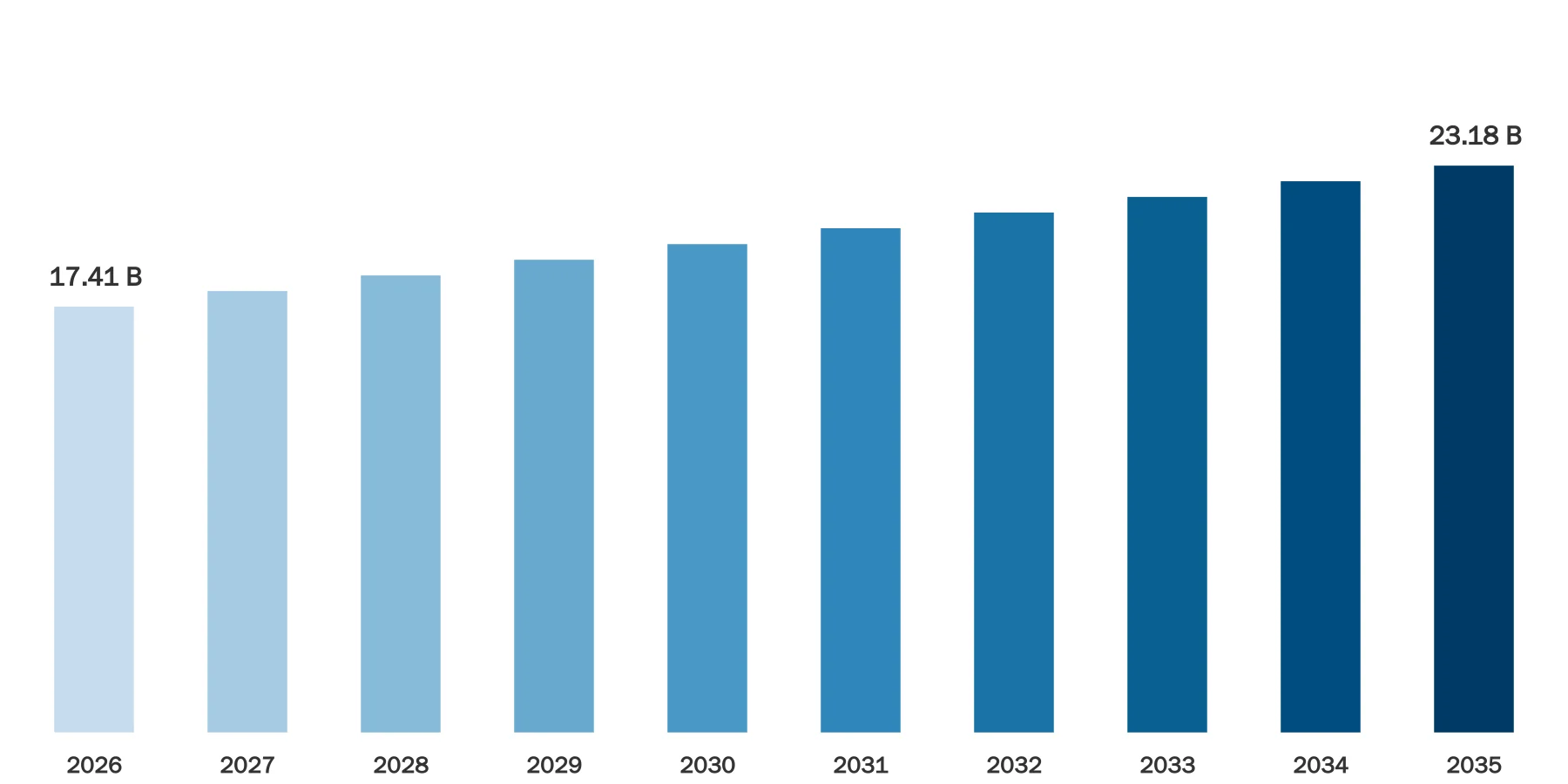
Source: Econ Market Research
Depression medications, commonly known as antidepressants, function by modulating brain chemicals to ease symptoms and elevate mood. The market for these pharmaceuticals has grown significantly in recent years as a result of increased awareness about Mental Health issues, the rising global prevalence of depression, and advances in drug development technologies.
Pharmaceutical companies that study, produce, and manufacture antidepressants, as well as healthcare providers who prescribe them to patients, are major market players. With the increasing focus on mental health and well-being, the worldwide depression medications market is likely to continue expanding as more effective therapies are produced and made available to people in need.
Depression Drugs Dynamics
One major reason is the rising prevalence of depression worldwide, which is attributed to stress, lifestyle changes, and societal pressures. As people become more aware of mental health issues, they seek diagnosis and treatment, driving up demand for depression medications. Furthermore, advances in medical research and technology are leading to the development of novel antidepressant medicines with higher efficacy and fewer adverse effects, driving market growth even further.
On the other hand, the market faces challenges such as stringent regulatory requirements for drug approval, which can delay the introduction of new medications. Additionally, the stigma associated with mental health issues in some cultures may deter individuals from seeking treatment, impacting market expansion. Economic factors, such as healthcare expenditure and reimbursement policies, also play a significant role in shaping market dynamics. Furthermore, competition among pharmaceutical companies intensifies as they vie for market share through strategies like product differentiation, pricing, and marketing efforts.
Depression Drugs Drivers
Increasing Prevalence of Depression
The increased global incidence of depression is a major driver of the depression medicine market. Factors such as demanding lifestyles, economical pressures, and demographic changes all contribute to the increasing prevalence of depression. As more people experience depression symptoms, there is an increasing demand for effective treatments, which drives the market ahead. Additionally, increased awareness of mental health and measures to minimize stigma encourage individuals to seek diagnosis and treatment, further boosting market development.
Advancements in Drug Development
Continuous research and development efforts in the field of depression drugs lead to the discovery of novel treatment options with enhanced efficacy and safety profiles. Pharmaceutical companies are investing heavily in innovative therapies, including next-generation antidepressants and alternative treatment modalities such as ketamine-based therapies and neuromodulation techniques.
These advancements not only expand the treatment options available to patients but also drive market growth by catering to unmet medical needs and improving patient outcomes. Moreover, collaborations between academia, industry, and regulatory agencies accelerate the translation of scientific discoveries into clinically viable treatments, fostering a dynamic landscape of drug development in the depression market.
Depression Drugs Restraints:
Stringent Regulatory Requirements
The depression medications market is heavily regulated, with strict requirements for drug approval and commercialization. Regulatory authorities such as the FDA and EMA require substantial clinical trials to prove the safety and efficacy of new antidepressants. The lengthy and costly approval procedure can cause considerable delays in the introduction of new pharmaceuticals to the market, hampering innovation and limiting patient treatment options. Furthermore, regulatory scrutiny of adverse events and safety concerns related with antidepressants can end up in market limitations or label warnings, influencing prescribing patterns and market dynamics.
Stigma and Sociocultural Barriers
Despite increased understanding, mental health stigma continues to be a substantial obstacle to depression treatment. Cultural attitudes, prejudices, and discrimination all contribute to a reluctance to seek care or disclose symptoms, especially among certain demographic groups. Stigmatization can inhibit people from seeking professional help or following treatment plans, resulting in under treatment and poor outcomes. Addressing stigma needs extensive public health campaigns, education programs, and advocacy activities to increase mental health literacy, reduce discrimination, and encourage help-seeking behaviors, thereby overcoming market growth barriers.
Depression Drugs Opportunities:
Personalized Medicine and Precision Psychiatry
The advent of precision medicine and personalized psychiatry presents a significant opportunity for the depression drugs market. Advances in genetics, neuroimaging, and biomarker research allow for a deeper understanding of the underlying mechanisms of depression and individual variability in treatment response. Tailoring treatment strategies based on patients', genetic profiles, neurobiological markers, and clinical characteristics holds promise for optimizing therapeutic outcomes and minimizing adverse effects.
Precision psychiatry approaches, such as pharmacogenomics-guided prescribing and algorithm-based treatment algorithms, enable clinicians to make informed decisions and prescribe antidepressants with greater precision, leading to improved patient outcomes and satisfaction. Embracing personalized medicine paradigms not only enhances the efficacy of depression treatments but also fosters innovation and differentiation within the market.
Segment Overview
By Disorder Type
Depression medications are classified based on the specific mental health conditions they treat. Major Depressive Disorder (MDD) is the most common type of depression and frequently requires medication intervention for treatment. Obsessive-Compulsive Disorder (OCD) requires drugs that control neurotransmitter activity to reduce obsessions and compulsions. Medication for Generalized Anxiety Disorder (GAD) and Panic Disorder regulates neurotransmitter levels in order to alleviate anxiety symptoms. Other mental health illnesses include a wide spectrum of ailments that require specific pharmaceutical therapies for symptom alleviation.
By Drug Type
Depression drugs are broadly classified into generic and branded categories. Generic drugs are bioequivalent to their branded counterparts, offering cost-effective alternatives while maintaining therapeutic efficacy. Branded drugs, often developed by pharmaceutical innovators, undergo rigorous testing and marketing efforts to establish brand recognition and market presence. Both generic and branded depression drugs play vital roles in addressing the diverse needs of patients, healthcare providers, and healthcare systems.
By Drug Class
Depression medications are classified into several pharmacological classes, each with its own method of action on brain chemistry. Atypical antipsychotics reduce mood swings and psychotic symptoms by modulating neurotransmitter function. Serotonin-Norepinephrine Reuptake Inhibitors (SNRIs) and Selective Serotonin Reuptake Inhibitors (SSRIs) increase serotonin and norepinephrine levels, which improve mood and reduce depressive symptoms.
Stimulants of the central nervous system (CNS) stimulate neurotransmitter release, improving alertness and focus in some depression subtypes. Tricyclic antidepressants and monoamine oxidase inhibitors (MAOIs) treat depressive symptoms by inhibiting neurotransmitter reuptake and breakdown mechanisms. Other medication classes include a wide variety of pharmacological substances with distinct modes of action and treatment characteristics for depression management.
By Distribution Channel
Depression drugs are distributed through various channels to reach patients in need of treatment. Hospital pharmacies serve as primary dispensing outlets within healthcare facilities, providing access to acute care settings and inpatient populations. Retail pharmacies offer convenient access to depression medications for outpatient populations, including community-based clinics and private practices.
Online pharmacies facilitate remote access to depression drugs through digital platforms, catering to patients seeking convenience and privacy. Other distribution channels encompass specialty pharmacies, mail-order services, and institutional dispensing outlets, each contributing to the accessibility and availability of depression treatments in diverse healthcare settings.
Depression Drugs Overview by Region
North America, comprising the United States and Canada, holds a dominant position in the market due to factors such as high prevalence of depression, robust healthcare expenditure, advanced healthcare infrastructure, and favourable reimbursement policies. The region is characterized by a strong presence of pharmaceutical companies, research institutions, and healthcare providers specializing in mental health care, driving innovation and market growth.
Europe follows closely, with countries such as Germany, the United Kingdom, and France accounting for a considerable portion of market revenue. Increasing awareness about mental health, government measures to combat depression, and investments in R&,D drive market growth in the region.
The Asia-Pacific area, which includes emerging nations such as China, India, and Japan, promises a significant market opportunity due to rising depression rates, expanding healthcare infrastructure, and increased use of Western treatment methodologies. However, constraints such as stigma around mental health, limited access to healthcare services, and regulatory hurdles influence market penetration in particular countries.
Depression Drugs Market Competitive Landscape
Major players such as Pfizer, Eli Lilly and Company, GlaxoSmithKline, and AstraZeneca dominate the market with a wide portfolio of branded antidepressant medications. These companies invest extensively in R&,D to explore new medicine prospects and expand their market position. In addition, significant players frequently use strategic efforts like as mergers and acquisitions, collaborations, and licensing agreements to strengthen their competitive position, improve product pipelines, and enter new markets.
Furthermore, generic medicine producers, such as Teva Pharmaceutical Industries and Mylan, compete in the market by providing low-cost alternatives to branded pharmaceuticals through economies of scale and efficient production procedures. The competitive landscape is further driven by regulatory dynamics, pricing pressures, and market consolidation, driving constant innovation and change within the depression medications industry. Emerging players, particularly Biotechnology firms and start-ups, also contribute to the competitive landscape by introducing disruptive technologies and therapeutic approaches, presenting both opportunities and challenges for established industry leaders.
Depression Drugs Key Players:
Sebela Pharmaceuticals
AstraZeneca
Eli Lilly and Company
GlaxoSmithKline
Johnson &, Johnson
Bristol-Myers Squibb
Novartis
Pfizer
Allergan
Otsuka Pharmaceutical
Takeda Pharmaceutical Company
Zhejiang NHU Company Ltd
Depression Drugs Recent Developments
Feb 2023, Biogen Inc. and Sage Therapeutics, Inc. have confirmed that the U.S. Food and Drug Administration (FDA) has officially acknowledged the submission of a New Drug Application (NDA) for zuranolone, intended for treating major depressive disorder (MDD) and postpartum depression (PPD). Zuranolone is a prospective medication under assessment as a 14-day, fast-acting, once-daily oral therapy for adults with MDD and PPD.
Aug 2023, The FDA greenlights Sage and Biogen',s drug for postpartum depression but rejects its broader application for major depressive disorder, thus constraining its market scope.
Depression Drugs Report Segmentation
Depression Drugs Market Report Scope & Segmentation
| Attributes | Details |
|---|---|
Market Size (Current) | US$ 17.41 Billion in 2026 |
Market Size (Forecast) | US$ 23.18 Billion in 2035 |
Growth Rate | CAGR of 3.2% from 2026 to 2035 |
Forecast Period | 2026 – 2035 |
Base Year | 2025 |
Historical Data Available | Yes |
Regional Scope | Global |
Segments Covered | By Drug Class
By Disease Type
By Distribution Channel
|
Frequently Asked Questions
Common questions about this report
The study period covers historical insights and forecast projections for the period 2026-2035.
About the Author
Market research expert with years of industry experience

Related Reports
Explore more market insights from the same category