

Cosmetic Raw Materials Market
Cosmetic Raw Materials Market Size, Share, Trends, Growth, and Industry Analysis, By Type (Synthetic, Non-Synthetic (Natural/Organic)), By Function (Surfactants, Emollients, Preservatives, Colorants), By Application (Skincare, Haircare, Makeup, Perfume), Regional Analysis and Forecast Period 2026-2035
Cosmetic Raw Materials Market Overview
As per Econ Market Research analysis, the Global Cosmetic Raw Materials Market generated revenue of US$ 39.75 Billion in 2026 and is forecast to achieve US$ 65.16 Billion by 2035, at a CAGR of 5.65% during the study period 2026–2035. The base year considered is 2025.
Cosmetic Raw Materials Market Size 2025-2035 (USD Billion)

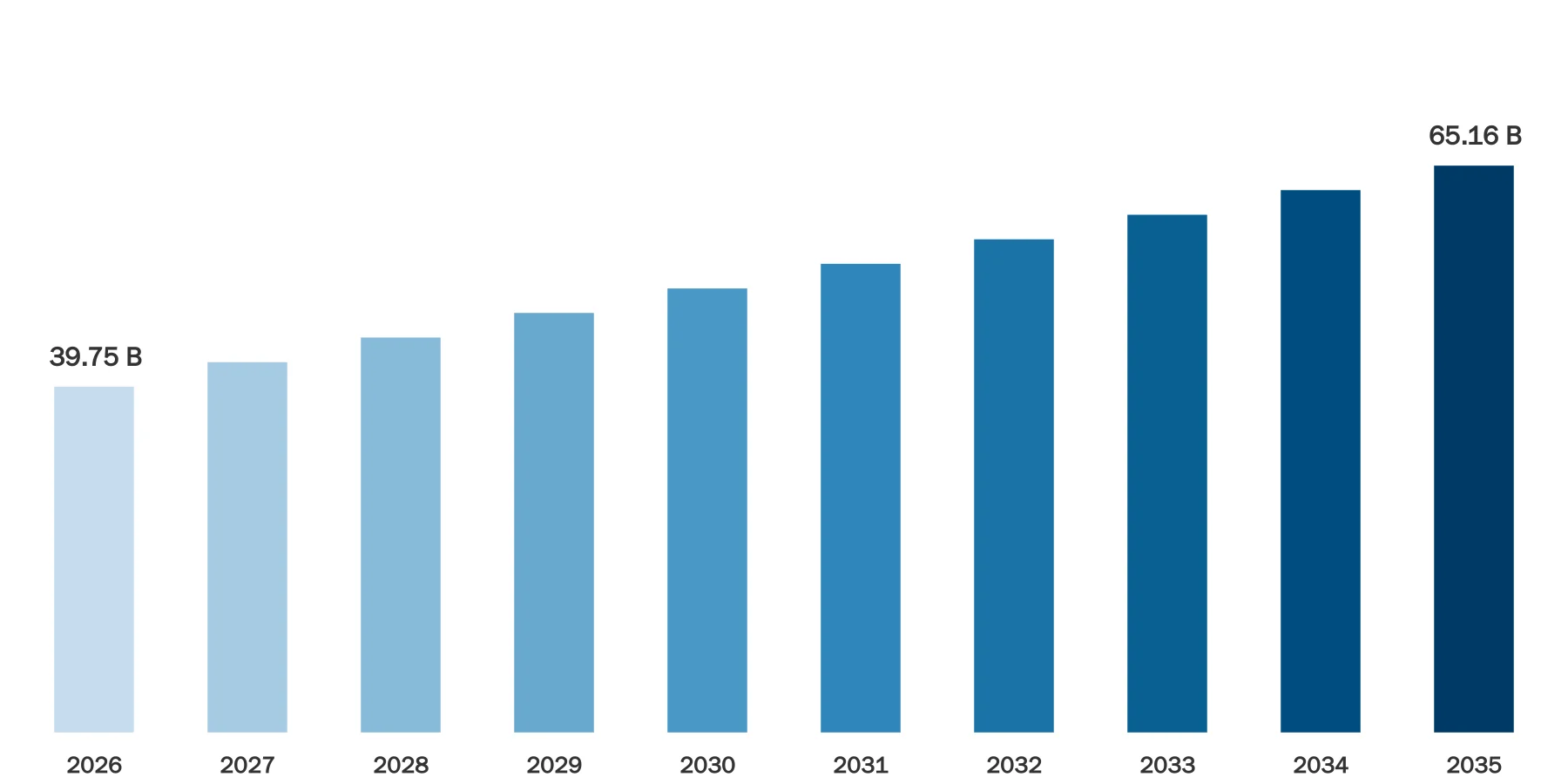
Source: Econ Market Research
Cosmetic raw materials are, therefore, considered to be a part of all the ingredients or substances used during the production process of various cosmetics and Personal Care products, for instance, skincare products, hair care products, make-up, or even fragrances. The raw material can be highly diverse, which includes active agents, emulsifiers, preservatives, surfactants, fragrances, or several others that play their roles in providing quality, safety, and effective cosmetic products. It is driven by growing consumer focus on personal appearance as well as a growing awareness around the world on beauty and skincare routines.
Consumer preferences for natural and organic ingredients, advancements in cosmetic formulations, and rising disposable incomes in emerging economies are some of the factors influencing the market. Cosmetic manufacturers are always looking for innovative raw materials to meet the diverse needs of consumers, including demands for sustainable and eco-friendly ingredients. Additionally, regulatory frameworks and safety standards for cosmetic ingredients are important for the market',s growth and development. The market is likely to grow steadily as demand for quality, safe, and effective cosmetic products increases with an observable trend towards green and clean beauty.
Dynamic Insights
Demand is high, particularly on the demand for natural and organic ingredients, more and more people are aware of what is used in cosmetics. This so-called ",clean beauty", has become a trend and forces manufacturers to develop sustainable and environmentally friendly raw materials like plant-based oils, natural fragrances, and biodegradable surfactants. Furthermore, increased disposable incomes in emerging markets boost consumer spending on personal care and beauty products, further enhancing the demand for cosmetic raw materials.
On the other hand, the challenges include strict regional regulatory standards, and the demand for constant formulation innovation to meet changing consumer preferences. Then, there are the complexities involved in sourcing the best ingredients in terms of both quality and safety standards for performance. Furthermore, the increasing emphasis on sustainability of the materials used in sourcing and packaging forces companies to go for more eco-friendly practices that are costlier. However, these challenges notwithstanding, the market still enjoys the advantages of continuous technological improvements in the development of ingredients, as well as the growing popularity of multifunctional cosmetic products offering multiple benefits from a single formula.
Drivers Insights
Growing Demand for Natural and Organic Ingredients
The major drivers of the global cosmetic raw materials market are consumer preference for natural and organic ingredients in cosmetic products. Consumers have become more conscious of the potential health risks from synthetic chemicals and are increasingly choosing products made with plant-based or naturally sourced raw materials. The growing trend towards clean beauty is a result of growing concerns over sensitivities and allergic reactions to the skin and long-term damage to personal health and the environment due to chemical-based ingredients. Therefore, manufacturers are emphasizing the use of sustainable, non-toxic ingredients such as essential oils, plant extracts, and natural preservatives in their formulations, thereby creating a demand for raw materials in this industry.
Technological Advancements in Cosmetic Formulations
Advancements in cosmetic formulations and ingredient technology have significantly driven the demand for innovative raw materials. Manufacturers are constantly developing new formulations that enhance product efficacy, longevity, and skin compatibility. For example, advancements in Biotechnology have led to the creation of bio-based raw materials that offer better performance and sustainability compared to traditional options. The ability to combine multiple benefits into a single product, such as anti-aging, moisturizing, and sun protection properties, has become increasingly popular. As consumers seek more multifunctional and high-performance products, manufacturers continue to innovate with advanced raw materials to meet these growing demands.
Restraints Insights
Stringent Regulatory Standards
One of the key challenges in the cosmetic raw materials market is navigating the complex regulatory environment. Different countries and regions have varying regulations for cosmetic ingredients, which can create difficulties for manufacturers, especially those operating internationally. For example, in the European Union, raw materials must meet strict safety standards, and many ingredients that are commonly used in cosmetics are banned or restricted. This forces manufacturers to invest in rigorous testing, certification processes, and compliance measures, driving up operational costs. Additionally, delays in regulatory approvals can slow down product development, potentially affecting time-to-market and profitability.
High Cost of Sustainable Raw Materials
Sourcing sustainable and eco-friendly raw materials, such as organic ingredients or plant-based substitutes, often comes at a higher cost than conventional raw materials. As consumer demand for environmentally friendly products grows, manufacturers are increasingly turning to these premium ingredients. However, the production and sourcing of these materials often require more specialized farming practices, higher-quality standards, and longer production cycles. These factors result in increased costs for manufacturers, which can be passed on to consumers in the form of higher product prices. Smaller companies with limited budgets may find it challenging to afford these sustainable raw materials, thus affecting market competition.
Opportunities Insights
Innovation in Biodegradable and Sustainable Ingredients
Sustainability is an emerging focus for the beauty industry, allowing manufacturers to innovate in the development of biodegradable and eco-friendly raw materials. The growing demand for products that follow a circular economy and further reduce environmental impact offers an exciting new avenue to expand. Some examples include Biodegradable Packaging, plant-based surfactants, and renewable source ingredients.
Furthermore, new lab-grown and bio-fermented ingredients help replace the old raw materials, thus saving the world from over-harvested resources. These innovations not only are in line with consumer preferences but also help companies comply with increasingly strict environmental regulations, thus positioning them for long-term success in a sustainable market.
Segment Analysis
By Product Type:
The product type segment of the cosmetic raw materials market encompasses a variety of essential ingredients that contribute to the formulation and effectiveness of cosmetic products. This segment includes emollients and conditioners, which help in moisturizing and softening the skin or hair, surfactants, which are cleansing agents that help in the removal of dirt and oil, preservatives that ensure the shelf life and safety of products by preventing microbial growth, active ingredients that provide targeted benefits like anti-aging or acne treatment, thickeners and gelling agents that help in improving the texture and consistency of formulations, and solvents, which assist in dissolving other ingredients and ensuring uniformity. These raw materials are fundamental in the creation of diverse cosmetic products across multiple categories, including skincare, haircare, and color cosmetics, making this segment a core aspect of the industry.
By Application:
The application segment includes the various categories of usage of cosmetic raw materials. This shows how versatile and broad the reach of these ingredients is. This encompasses skin care, the largest and most diversified application, in which raw materials are used in moisturizing, anti-aging, and protective products for the skin, hair care, in which ingredients are used to enhance the health and manageability of the hair through shampoos, conditioners, and styling products, makeup and color cosmetics, in which raw materials are relied upon to formulate long-lasting foundations, lipsticks, and eye makeup, fragrances, which are manufactured using essential oils, synthetic perfumes, and other aromatic compounds, toiletries, which are everyday items, such as soaps, deodorants, and lotions, and oral care, where raw materials contribute to toothpaste, mouthwashes, and dental products that ensure oral hygiene.
By Source:
The source segment categorizes cosmetic raw materials based on their origin, providing insights into consumer preferences for sustainability and ingredient sourcing. Synthetic raw materials, which are chemically produced in laboratories, form the largest portion of the market due to their cost-effectiveness and availability. These materials are widely used in most cosmetic formulations for their consistent quality and performance.
On the other hand, natural raw materials are sourced from plants, animals, or minerals and are increasingly in demand due to the growing consumer interest in clean and eco-friendly beauty products. Bio-based raw materials, derived from renewable biological resources, are gaining momentum due to their sustainability and lower environmental impact compared to traditional synthetic options. The rising preference for natural and bio-based ingredients is significantly reshaping the sourcing dynamics in the market.
By Function:
The function category of cosmetic raw materials includes types that are categorized along their primary benefits in cosmetic formulation. Moisturizing agents hydrate the skin and maintain skin elasticity, which is essential for this use in skincare formulations. Cleansing agents primarily consist of surfactants used in the removal of impurities and dirt from the skin and hair.
Anti-aging components, including peptides, antioxidants, and retinoids, characterize products intended for wrinkle-fighting, the reduction of fine lines, and other evidence of aging. Sun protection agents, such as UV filters and sunscreens, are important constituents in protecting against harmful UV rays. Salicylic acid and benzoyl peroxide are some of the anti-acne ingredients that are used in products targeting acne-prone skin. Other ingredients will provide extra benefits such as soothing, brightening, or exfoliating.
Regional Analysis
North America is dominated by high consumer demand in terms of innovative cosmetic products with superior quality, as well as a highly developed preference for organic and natural ingredients. The United States, being the biggest market in this region, is seeing a trend toward clean beauty and sustainability, which encourages manufacturers to adopt an elevated level of interest in plant-based and bio-derived raw materials. Europe also accounts for a significant share, with growing consumer demand for green and organic products, further driven by strict regulatory regimes like the European Union',s REACH (Registration, Evaluation, Authorization, and Restriction of Chemicals). The region is experiencing strong growth in skincare and anti-aging products, with a focus on natural raw materials.
The Asia-Pacific region is likely to be one of the biggest growth drivers in this market, led by an ever-growing middle-class population, rapid urbanization, and rising awareness among consumers of skincare and grooming. Traditional beauty products and modern beauty products alike are gaining tremendous traction in China, India, and Japan. The demand for natural and bio-based ingredients is on the rise. The growing presence of multinational cosmetic brands in these markets also fuels the demand for raw materials.
Latin America is yet another emerging market, and increasing disposable income and an expanding population that are beauty conscious stimulate the demand for personal care products, including skincare and haircare. The demand for personal care and beauty in the Middle East and Africa, especially in countries such as the UAE and Saudi Arabia, is growing. Also, the demand for luxury cosmetic products and raw materials used in these luxury items is increasing due to local preferences as well as international trends.
Competitive Landscape
The market is led by key players such as BASF, Dow Chemical, Evonik Industries, and Croda International due to their diversified product portfolios, strong R&,D capabilities, and global presence. These companies enjoy a significant advantage in terms of scale, technological advancements, and the ability to provide a wide range of raw materials for various cosmetic applications, including skincare, haircare, and makeup products. They continue to invest in research and development to develop new formulations and to keep pace with emerging trends, such as clean beauty, organic ingredients, and bio-based raw materials. Apart from these giant players, there are many other small and specialized companies that cater to specific kinds of raw materials or regional markets.
Companies such as Givaudan, Symrise, and International Flavors &, Fragrances (IFF) are the primary players in the fragrance and flavor category, while niche manufacturers focus on natural and green ingredients to capture the increasing demand from consumers for sustainable products. The competitive environment will also be impacted by strategic moves like partnerships, acquisitions, and collaborations. Thus, large firms are forming a lot of partnerships with start-ups and small firms to acquire access to new technologies as well as to natural sources. The push toward sustainability and clean beauty will lead companies to opt for environmentally-friendly sourcing and conduct transparent supply chains to keep in line with both regulatory standards as well as with consumer expectations.
List of Key Players
Clariant AG
Solvay S.A.
BASF SE
DSM Nutritional Products AG
Givaudan SA
Merck KGaA
Akzo Nobel N.V.
Dow Inc.
Symrise AG
Lonza Group Ltd.
Croda International Plc
Lubrizol Corporation
Eastman Chemical Company
Wacker Chemie AG
Recent Developments
In July 2024, Debut, a leader in biotech beauty and a vertically integrated biotechnology company, announced today that it has entered into an agreement with L',Oré,al to develop over a dozen essential, bio-identical ingredients. These ingredients will replace traditionally sourced ones currently used in L',Oré,al',s global beauty and personal care brands, including skin care, hair care, color cosmetics, and fragrance products.
Global Cosmetic Raw Materials Report Segmentation
Cosmetic Raw Materials Market Report Scope & Segmentation
| Attributes | Details |
|---|---|
Market Size (Current) | US$ 39.75 Billion in 2026 |
Market Size (Forecast) | US$ 65.16 Billion in 2035 |
Growth Rate | CAGR of 5.65% from 2026 to 2035 |
Forecast Period | 2026 – 2035 |
Base Year | 2025 |
Historical Data Available | Yes |
Regional Scope | Global |
Segments Covered | By Type
By Function
By Application
|
Frequently Asked Questions
Common questions about this report
The study period covers historical insights and forecast projections for the period 2026-2035.
About the Author
Market research expert with years of industry experience

Dipali Bhingare serves as the Market Research Director at Econ Market Research. With a focus on translating complex global economic shifts into actionable business intelligence, she oversees the strategic direction of comprehensive market studies. Her work empowers organizations to navigate volatile industries through data-driven forecasting and deep-dive competitive analysis.
Related Reports
Explore more market insights from the same category