

Construction Equipment Rental Market
Construction Equipment Rental Market Size, Share, Trends, Growth, and Industry Analysis, By Equipment Type (Earthmoving Equipment, Material Handling Equipment, Road Building Equipment), By Drive Type (Internal Combustion Engine, Electric andamp; Hybrid), By End-User (Infrastructure, Residential, Commercial, Industrial), Regional Analysis and Forecast Period 2026-2035
Market Overview
As per Econ Market Research analysis, the Global Construction Equipment Rental Market accounted for US$ 159.39 Billion in 2026 and is expected to surpass US$ 263.92 Billion by 2035, witnessing a CAGR of 5.7% throughout 2026–2035. The analysis is based on 2025 as the base year.
Construction Equipment Rental Market Size 2025-2035 (USD Billion)

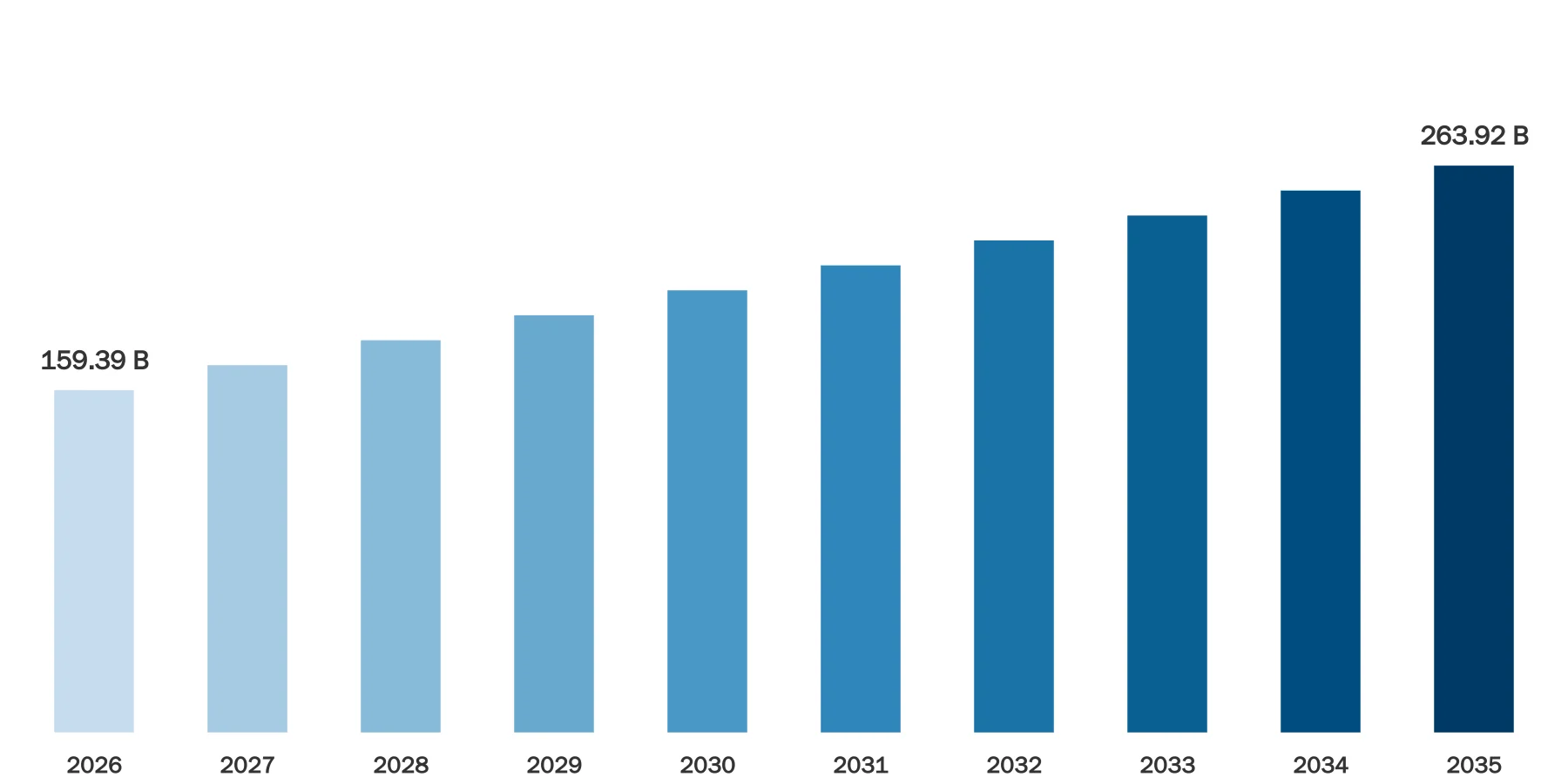
Source: Econ Market Research
The global Construction Equipment rental market encompasses the rental and leasing of machinery and equipment used in various construction activities. This includes heavy machinery such as excavators, bulldozers, cranes, and loaders, as well as smaller equipment like generators, pumps, and scaffolding. Construction equipment rental services cater to a wide range of industries including residential, commercial, industrial, and infrastructure development.
The market is driven by several factors including the increasing trend towards renting rather than purchasing equipment due to cost-effectiveness and flexibility, growing construction activities worldwide, especially in emerging economies, and the rising adoption of advanced technologies in construction equipment. Moreover, stringent regulations regarding emissions and environmental concerns are also prompting construction companies to opt for rental services to access newer and more environmentally friendly equipment without the burden of ownership. The market is highly competitive with key players continually focusing on expanding their rental fleets, enhancing service offerings, and adopting innovative strategies such as mergers and acquisitions to gain a competitive edge.
Construction Equipment Rental Dynamics
Due to the flexibility rental services offer in managing project costs and mitigating risks related to equipment maintenance and depreciation, they are becoming more and more preferred over equipment ownership. Furthermore, the world',s expanding construction activities&mdash,particularly in emerging economies where infrastructure and urbanisation are developing quickly&mdash,are driving up demand for rental construction equipment.
Furthermore, technological developments like IoT integration and telematics are revolutionising the rental market by making it possible for improved operational efficiency, preventive maintenance, and equipment monitoring, all of which improve the customer experience overall. But the market also has to contend with issues like unstable regulations, varying equipment costs, and a shortage of skilled workers for upkeep and operation of the machinery.
Construction Equipment Rental Drivers
Cost-effectiveness and Flexibility of Rental Services
The flexibility and cost-effectiveness that construction equipment rentals provide to construction companies is what propels the market. Businesses can access a large variety of machinery by renting rather than buying, as doing so avoids the large upfront costs associated with ownership. Furthermore, maintenance and repair services are frequently included in rental agreements, which lowers extra expenses and downtime for building projects.
Because of this flexibility, businesses can scale their fleet of equipment in accordance with project requirements, maximising resource utilisation and improving project efficiency overall. The demand for construction equipment rental services is still rising, particularly among small and medium-sized construction firms, as businesses look to reduce capital expenditures and maximise operational flexibility.
Growing Construction Activities Worldwide
The market for rental construction equipment is significantly influenced by the global construction boom, especially in emerging economies. The demand for construction machinery and equipment is driven by projects involving infrastructure development, rapid urbanisation, and population growth. The demand for rental equipment is fuelled by significant infrastructure investments in the transportation, residential, and commercial sectors in areas like the Middle East and Asia-Pacific.
Furthermore, the post-recession recovery of construction activity in developed economies raises rental demand even more. When dealing with sporadic project requirements or demand fluctuations, construction companies would rather rent equipment than make long-term investments. Consequently, the global upsurge in construction activities serves as a driving force behind the expansion of the construction equipment rental industry.
Restraints:
Fluctuating Equipment Prices
Fluctuations in equipment prices pose a significant restraint to the construction equipment rental market. The cost of purchasing new construction machinery is subject to market dynamics influenced by factors such as raw material prices, currency exchange rates, and geopolitical tensions. These fluctuations directly impact rental rates, making it challenging for rental companies to maintain profitability and competitive pricing. Additionally, economic uncertainties and regulatory changes can further exacerbate price volatility, leading to unpredictable rental costs for construction firms.
Regulatory and Environmental Constraints
Stringent regulations related to emissions, safety standards, and environmental compliance pose restraints on the construction equipment rental market. Governments worldwide are implementing stricter regulations to curb carbon emissions and promote sustainable construction practices. As a result, rental companies must invest in newer, more environmentally friendly equipment to meet regulatory requirements.
However, the adoption of such equipment often comes with higher acquisition costs and operational expenses, which can strain rental company budgets and affect rental rates. Moreover, compliance with complex regulatory frameworks adds administrative burdens and operational challenges for rental businesses, impacting their overall efficiency and profitability.
Opportunities:
Technology Integration and Innovation
The integration of advanced technologies such as telematics, IoT, and AI presents significant opportunities for the construction equipment rental market. These technologies enable remote equipment monitoring, predictive maintenance, and data-driven insights, enhancing equipment performance, uptime, and operational efficiency. Rental companies can leverage technology to optimize Fleet Management, reduce downtime, and offer value-added services such as equipment tracking and utilization analytics to their customers. Furthermore, innovations in rental management software and digital platforms streamline rental processes, improve customer experience, and open new revenue streams for rental businesses.
Segment Overview
By Product
The construction equipment rental market encompasses a diverse range of products catering to various construction needs. Earth moving machinery, including excavators, bulldozers, and loaders, is vital for tasks such as excavation, grading, and land clearing. Material handling machinery, such as forklifts and cranes, facilitates the movement and lifting of heavy materials and equipment on construction sites.
Concrete and road construction machinery, which includes mixers, pavers, and compactors, play a crucial role in the construction of roads, bridges, and other infrastructure projects. Each product category serves distinct functions in the construction process, with rental services offering companies the flexibility to access specialized equipment as needed, optimizing resource utilization and project efficiency.
The demand for these product segments varies based on factors such as the type and scale of construction projects, regional infrastructure development, and technological advancements driving equipment innovation. As construction companies seek cost-effective and flexible solutions to meet project requirements, the rental market for earth moving, material handling, and concrete/road construction machinery continues to evolve, presenting opportunities for rental companies to expand their offerings and cater to diverse customer needs.
Construction Equipment Rental Overview by Region
In North America, the market is characterized by robust construction activity, driven by investments in residential, commercial, and infrastructure projects. The region',s mature construction industry and stringent environmental regulations contribute to a high demand for technologically advanced and environmentally friendly equipment, prompting rental companies to expand their fleets with newer models. In Europe, steady economic recovery post-recession and government initiatives to boost infrastructure development stimulate rental market growth. However, market saturation and intense competition compel rental companies to differentiate their services through value-added offerings and strategic partnerships.
The Asia-Pacific region emerges as a key growth market, propelled by rapid urbanization, industrialization, and extensive infrastructure investments in countries like China, India, and Southeast Asian nations. Increasing construction activities, particularly in residential and commercial sectors, drive demand for rental equipment, while rising adoption of rental services among small and medium-sized enterprises further fuels market expansion. In the Middle East and Africa, infrastructure projects, driven by urbanization and economic diversification efforts, contribute to a growing demand for construction equipment rental. However, political instability, fluctuating oil prices, and regulatory uncertainties pose challenges to market growth in the region.
Construction Equipment Rental Market Competitive Landscape
Key players such as United Rentals, Inc., Sunbelt Rentals, Herc Rentals Inc., and H&,E Equipment Services, Inc., dominate the market with extensive rental fleets, wide geographical presence, and diversified service offerings. These companies focus on strategic initiatives such as mergers and acquisitions, geographic expansion, and portfolio diversification to strengthen their market position and gain a competitive edge. Moreover, technological advancements and the integration of digital solutions play a crucial role in enhancing operational efficiency, customer experience, and market differentiation for rental companies. While established players dominate the market, smaller and niche rental firms also contribute to the competitive landscape, offering specialized equipment, localized services, and personalized solutions to cater to specific customer needs and market segments. Additionally, equipment manufacturers such as Caterpillar Inc., Komatsu Ltd., and Volvo Construction Equipment leverage their brand reputation, product innovation, and dealer networks to enter the rental market and compete with standalone rental companies.
Construction Equipment Rental Market Leading Companies:
United Rentals, Inc.
Ashtead Group plc (Sunbelt Rentals)
Herc Holdings Inc. (Herc Rentals)
Loxam Group
Aktio Corporation
Nishio Rent All Co., Ltd.
Kanamoto Co., Ltd.
H&,E Equipment Services, Inc.
BigRentz Inc.
Maxim Crane Works, L.P.
Construction Equipment Rental Recent Developments
November 2023, Marubeni Corporation and Rent Corporation have formed a collaborative venture known as PT. Max Rent Indonesia, in conjunction with local company PT. EXXA Capital. This partnership aims to engage in activities related to the sale of used construction machinery, rental of construction machinery, logistics, and automobile auctions, with a focus on providing rental services for construction and industrial machinery in the Republic of Indonesia.
Construction Equipment Rental Report Segmentation
Construction Equipment Rental Market Report Scope & Segmentation
| Attributes | Details |
|---|---|
Market Size (Current) | US$ 159.39 Billion in 2026 |
Market Size (Forecast) | US$ 263.92 Billion in 2035 |
Growth Rate | CAGR of 5.7% from 2026 to 2035 |
Forecast Period | 2026 – 2035 |
Base Year | 2025 |
Historical Data Available | Yes |
Regional Scope | Global |
Segments Covered | By Equipment Type
By Drive Type
By End-User
|
Frequently Asked Questions
Common questions about this report
The study period covers historical insights and forecast projections for the period 2026-2035.
About the Author
Market research expert with years of industry experience

Dipali Bhingare serves as the Market Research Director at Econ Market Research. With a focus on translating complex global economic shifts into actionable business intelligence, she oversees the strategic direction of comprehensive market studies. Her work empowers organizations to navigate volatile industries through data-driven forecasting and deep-dive competitive analysis.
Related Reports
Explore more market insights from the same category