

Career Education Counseling Market
Career Education Counseling Market Size, Share, Trends, Growth, and Industry Analysis, By Mode (Online, Offline), By End-User (Students, Professionals, Parents), Regional Analysis and Forecast Period 2026-2035
Market Overview
As per Econ Market Research analysis, the Global Career Education Counseling Market was valued at approximately US$ 3.29 Billion in 2026 and is predicted to reach US$ 6.58 Billion by 2035, expanding at a CAGR of 8.03% over the forecast duration. The base year is 2025.
Career Education Counseling Market Size 2025-2035 (USD Billion)

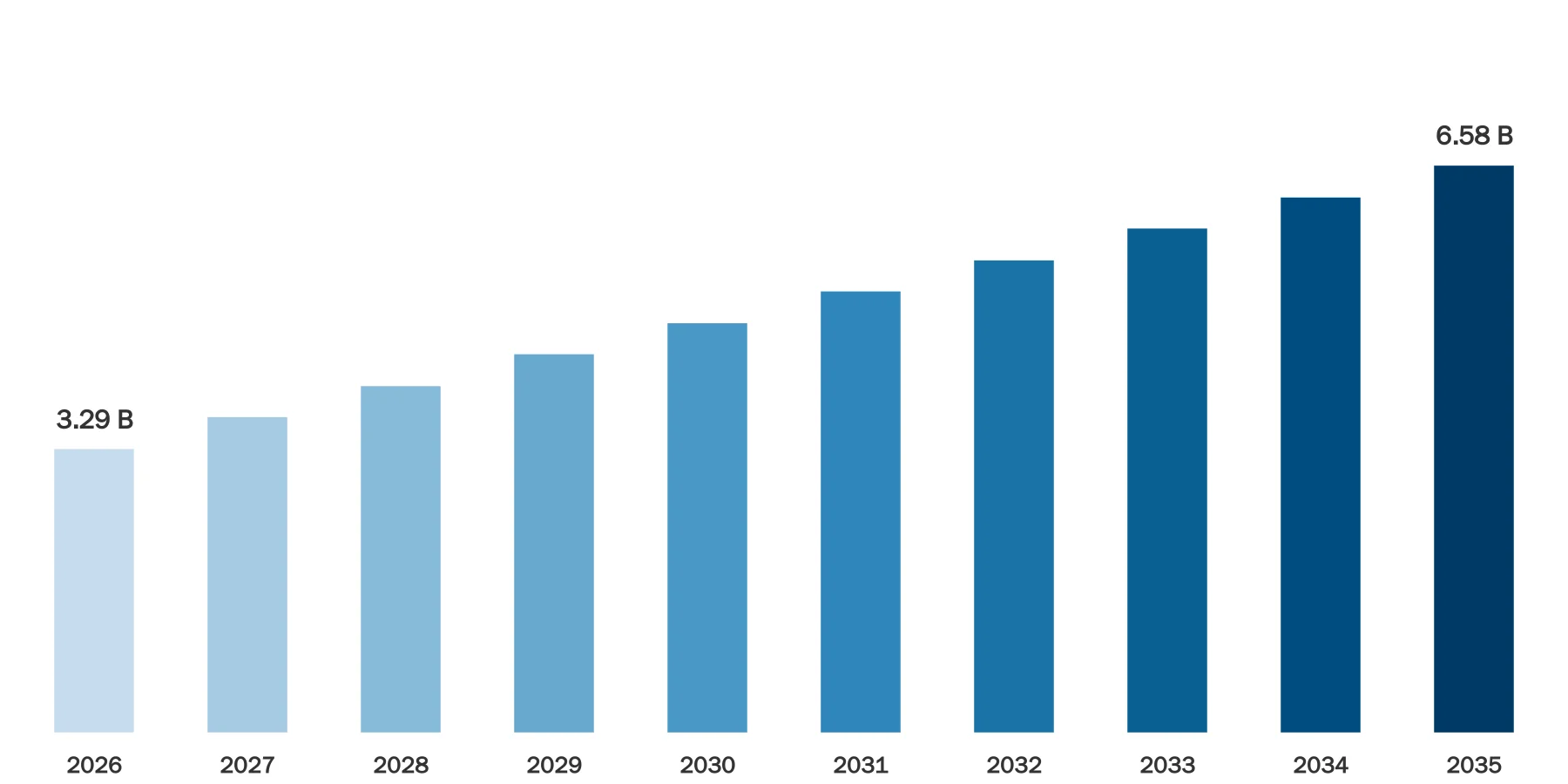
Source: Econ Market Research
Career education counsellors offer personalized advice, assessment, and resources to help individuals identify their interests, skills, and goals, as well as explore various educational and career options. These counselors provide support at different stages of life, from high school students exploring college options to professionals seeking career advancement or transition.
The rise in job complexity, the need for more specialized skills, and the importance of lifelong learning and career growth are driving the demand for career education counseling. Technology has made it easier to offer counseling services online, making them more accessible to people everywhere. By focusing on giving people tailored advice and all-around support, the global market for career education counseling helps people make better decisions about their education and careers.
Career Education Counseling Dynamics
As populations change and the job market transforms, people need career guidance to navigate new job skills and pathways. The surge in education options, including online courses and specialized training, also creates a need for guidance to make informed choices. Finally, the focus on lifelong learning and career advancement emphasizes the ongoing importance of guidance throughout one',s professional life.
Technological advancements play a significant role in shaping market dynamics, with the proliferation of digital platforms enabling the delivery of counseling services remotely and expanding access to a broader audience. Furthermore, economic factors such as unemployment rates, job market competitiveness, and industry-specific trends influence the demand for career counseling services, with individuals seeking guidance to enhance their employability and navigate career transitions successfully.
Career Education Counseling Drivers
Increasing Complexity of Career Choices
With the rise of new career options and educational choices, professional guidance is essential to help people navigate this complex landscape. Career education counselors provide assistance in identifying individuals', strengths, interests, and goals, and connect them with appropriate education and career paths. As technology and industries evolve, the demand for specific skills increases, highlighting the importance of informed decision-making, which counselors facilitate.
Growing Emphasis on Lifelong Learning and Career Development
In today',s ever-evolving job market, staying competitive requires continuous skill enhancement and career progression. Recognizing the importance of ongoing learning and professional growth, the demand for career guidance services has soared. Career counselors offer invaluable assistance in defining career aspirations, pinpointing areas of improvement, and developing tailored development strategies. This allows individuals to navigate industry shifts and capitalize on emerging opportunities throughout their professional journeys.
Restraints:
Cost and Accessibility
Even though people are asking for more career counseling, many people still face big problems with cost and access. For people from lower economic backgrounds, good counseling often costs a lot of money, which makes it hard for them to get it. Access to career advising is also affected by where people live and how many resources are available in their area. This makes it harder for everyone to participate in education and workforce programs, which makes it harder to make sure everyone has the same chances.
Resistance to Change
Some people may not use career counseling services because of their old ideas about what jobs and education are. Society, family, and culture can influence how people make decisions, which can make them hesitant or not believe in getting help from outside sources. Schools and workplaces that have been set up for a long time may also make it hard to add counseling services to their current systems. This makes it harder to give people the support they need to plan their careers and keep learning throughout their lives.
Opportunities:
Rise of Remote Work and Online Learning
Due to events like the COVID-19 pandemic, remote work and online learning have become more common, providing new opportunities for career education counseling. Since physical location is less of a barrier, counselors can reach clients from various parts of the world through online workshops, webinars, and individual consultations. The flexibility and ease of remote counseling appeal to a wider range of people, such as busy professionals, students, and those with physical limitations. This opens up the market for career education counseling providers, allowing them to reach a broader audience.
Segment Overview
By Application
The segmentation by application categorizes the target audience of career education counseling services into three main groups: fresh graduates, undergraduates, and unemployed individuals. Fresh graduates typically seek guidance in navigating their transition from academia to the workforce, including assistance with resume writing, interview preparation, and job search strategies.
Career education counselors help them identify their strengths, interests, and career goals, and provide support in exploring entry-level job opportunities aligned with their qualifications and aspirations. Undergraduates, on the other hand, may require guidance in selecting majors, planning their academic trajectories, and exploring internship or co-op opportunities to gain practical experience in their chosen fields.
Career counseling services for undergraduates focus on helping them make informed decisions about their academic and career paths, ensuring alignment with their skills, interests, and long-term goals. Unemployed individuals often turn to career education counseling to overcome obstacles in their job search, such as updating outdated skills, addressing gaps in employment history, and enhancing their marketability to prospective employers. Career counselors assist them in assessing their strengths and weaknesses, developing action plans for re-entering the workforce, and accessing resources for job training and placement assistance.
By Type
The segmentation by type distinguishes between offline and online delivery channels for career education counseling services. Offline counseling typically involves face-to-face interactions between counselors and clients, either in individual or group settings, at physical counseling centers, educational institutions, or community organizations. Offline counseling offers a personalized approach, allowing counselors to build rapport with clients, observe nonverbal cues, and provide hands-on support in skill assessment, goal setting, and career planning.
On the other hand, online counseling leverages digital platforms such as websites, mobile apps, video conferencing, and email communication to deliver counseling services remotely. Online counseling offers convenience and flexibility, allowing clients to access support from anywhere with an internet connection and at their preferred time. It enables asynchronous communication, self-paced learning, and access to a wider range of counseling resources and tools. Additionally, online counseling may incorporate features such as virtual career assessments, interactive workshops, and chat-based support, catering to diverse learning styles and preferences.
Career Education Counseling Overview by Region
In advanced regions like North America and Europe, career counseling is in high demand. This is due to the high number of people with higher education, the changing job market, and the importance placed on career development. In these regions, there are many different ways to get counseling, such as through schools, private businesses, and government programs. These services are available to students, working professionals, and people looking for jobs.
In contrast, emerging economies in Asia-Pacific, Latin America, and Africa are experiencing rapid growth in demand for career education counseling, fuelled by expanding education access, rising youth populations, and increasing workforce competitiveness. These regions present opportunities for market expansion and innovation, with a growing recognition of the value of career guidance in enhancing employability and economic mobility. However, challenges such as limited resources, cultural barriers, and uneven distribution of counseling services persist, requiring tailored approaches to address the diverse needs and contexts of different regions.
Career Education Counseling Market Competitive Landscape
Higher education institutions typically offer career guidance through counselors and resources to aid students in academic and career decisions. Private companies cater to a wider audience, providing specialized services like career coaching, assessments, and job placement to professionals throughout their careers. Virtual platforms have become significant in the industry, offering online counseling, assessment tools, and educational materials accessible to individuals globally. These platforms leverage technology to deliver personalized and scalable solutions, reaching a large and diverse audience across geographic regions.
Government agencies and non-profit organizations also play a role in the competitive landscape, offering career counseling services as part of workforce development initiatives, vocational training programs, and employment assistance services. The competitive dynamics of the market are shaped by factors such as service quality, reputation, pricing, technological innovation, and geographic reach. Market players differentiate themselves through specialization, branding, partnerships, and the adoption of emerging technologies to stay competitive in an evolving landscape driven by changing demographics, economic trends, and technological advancements.
Career Education Counseling Market Leading Companies:
Microsoft Corporation
Bright Horizons Family Solutions LLC
Kaplan Inc.
PowerSchool Holdings Inc.
Upwork Global Inc.
Varsity Tutors LLC
TPR Education LLC
HigherEdJobs LLC
Careerguide.com Private Limited
Talent Inc.
Xello Inc.
Career Education Counseling Report Segmentation
Career Education Counseling Market Report Scope & Segmentation
| Attributes | Details |
|---|---|
Market Size (Current) | US$ 3.29 Billion in 2026 |
Market Size (Forecast) | US$ 6.58 Billion in 2035 |
Growth Rate | CAGR of 8.03% from 2026 to 2035 |
Forecast Period | 2026 – 2035 |
Base Year | 2025 |
Historical Data Available | Yes |
Regional Scope | Global |
Segments Covered | By Mode
By End-User
|
Frequently Asked Questions
Common questions about this report
The study period covers historical insights and forecast projections for the period 2026-2035.
About the Author
Market research expert with years of industry experience

Related Reports
Explore more market insights from the same category