

Campervan Market
Campervan Market Size, Share, Trends, Growth, and Industry Analysis, By Type (Fixed Roof (FR), Rising Roof (RR), High Roof), By Application (Leisure Activities, Business Travel, Rental Services), By Vehicle Type (Class B Campervans, Class C Campervans), By End-User (Individual Buyers, Fleet Owners / Rental Companies), Regional Analysis and Forecast Period 2026-2035
Campervan Market Overview
As per Econ Market Research analysis, the Global Campervan Market size amounted to US$ 23.3 Billion in 2026 and is anticipated to grow to US$ 42.13 Billion by 2035, recording a CAGR of 6.80% during 2026–2035. The base year taken for analysis is 2025.
Campervan Market Size 2025-2035 (USD Billion)

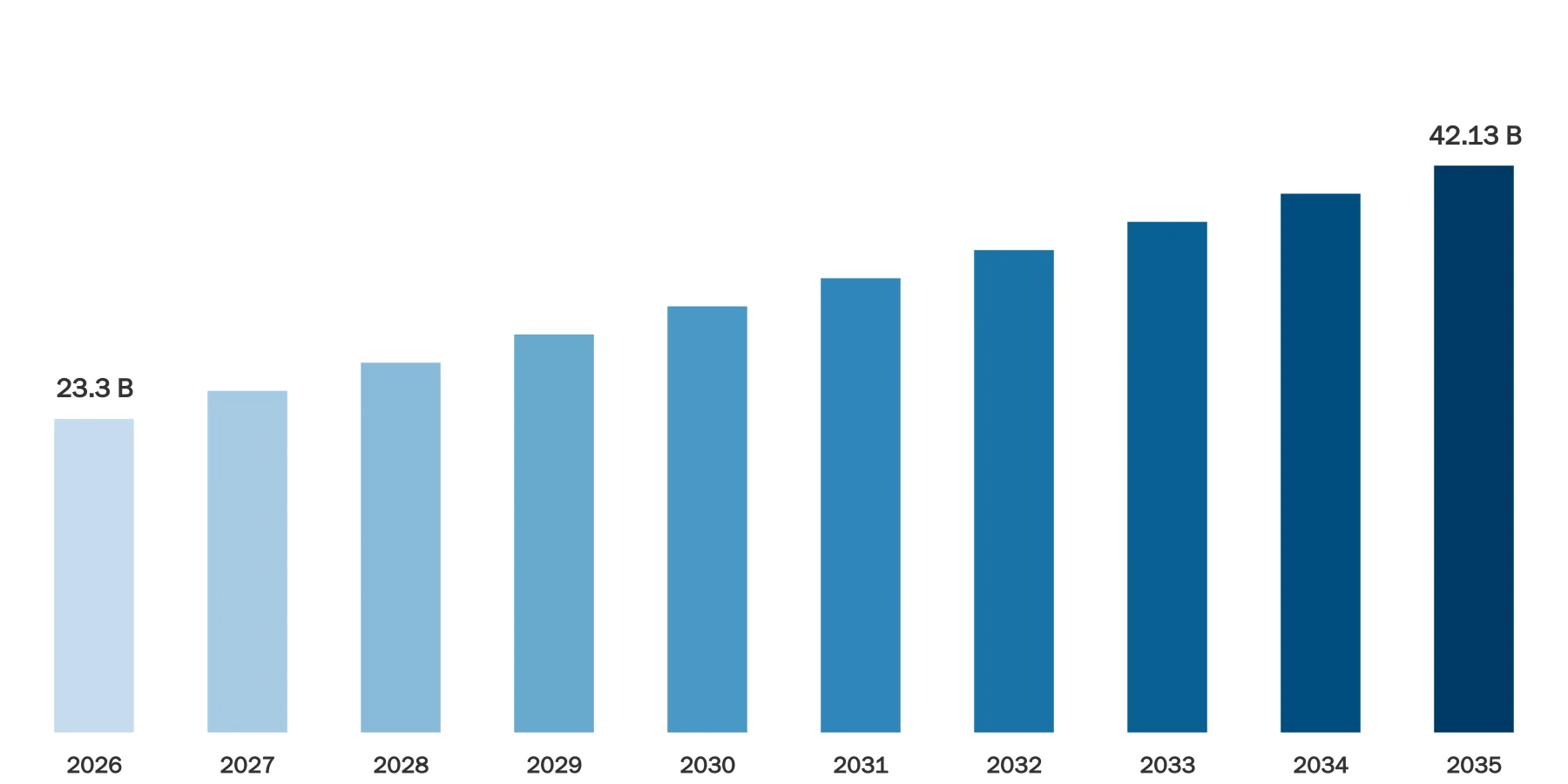
Source: Econ Market Research
The Campervan Market represents a specialized segment within the global Recreational Vehicle industry, with over 6.5 million recreational vehicles in operation globally as of 2024, of which campervans account for approximately 18%–22%. More than 1.2 million campervans are actively used across Europe and North America combined, with average vehicle lengths ranging from 4.8 meters to 7.5 meters. The market includes self-contained vehicles equipped with sleeping, cooking, and sanitation facilities, with over 70% of units featuring integrated Solar Panels and 12V battery systems. Increasing demand for mobile lifestyles has led to over 35% of new buyers being under 45 years old.
The USA Campervan Market accounts for nearly 42% of North American campervan registrations, with over 500,000 campervans currently in use as of 2025. Annual campervan shipments in the U.S. exceeded 75,000 units in 2024, with Class B campervans representing approximately 48% of total RV shipments by volume. Over 60% of U.S. campervan buyers use vehicles for leisure travel exceeding 20 days annually, while 25% utilize campervans for remote work and long-term travel. Additionally, more than 3,000 rental operators across 50 states collectively manage fleets exceeding 120,000 campervans.
Market Latest Trends
The Campervan Market Trends indicate a strong shift toward electrification, digital integration, and sustainable travel, with over 28% of newly launched campervan models in 2024 featuring hybrid or fully electric drivetrains. Lithium-ion battery installations have increased by 40% compared to 2022, enabling energy storage capacities of 2 kWh to 10 kWh per vehicle. Smart connectivity systems are now present in over 65% of new campervans, offering GPS tracking, remote diagnostics, and mobile app integration.
Another significant trend in the Campervan Market Analysis is the rising popularity of van conversions, with over 250,000 DIY and professional conversions completed globally in 2023 alone. Compact campervans under 6 meters account for approximately 55% of total sales due to urban maneuverability and fuel efficiency improvements of up to 18%. Rental platforms have expanded rapidly, with peer-to-peer campervan rentals growing by 32% in user registrations between 2022 and 2024.
The Campervan Market Insights also highlight increasing adoption of eco-friendly materials, with over 45% of manufacturers incorporating recycled wood, lightweight aluminum, and biodegradable insulation materials. Additionally, off-grid capabilities are becoming standard, with 70% of campervans equipped with freshwater tanks exceeding 80 liters and solar charging systems delivering 200W to 400W output.
Market Dynamics
The Campervan Market Dynamics are shaped by evolving travel preferences, technological innovation, and infrastructure expansion. Over 68% of global travelers expressed interest in road-based travel in 2024, driving demand for campervans. Digital nomad populations exceeded 35 million globally, influencing long-term campervan usage. Additionally, campground infrastructure has grown by 22% globally since 2020, with over 16,000 campsites in Europe alone.
DRIVER
Increasing Demand for Flexible Travel and Remote Work
The primary driver in the Campervan Market Growth is the increasing demand for flexible travel and remote work lifestyles, with over 35 million digital nomads globally as of 2024. Surveys indicate that 62% of millennials prefer road trips over air travel for trips under 1,500 km. Campervans offer cost efficiency, reducing accommodation expenses by up to 40% compared to hotels. Additionally, over 70% of campervan users report traveling more than 15 days annually, supporting consistent utilization rates. Remote work adoption has reached 28% of the global workforce, enabling extended travel durations of 30 to 90 days.
RESTRAINT
High Initial Cost and Maintenance Expenses
A major restraint in the Campervan Market is the high initial cost, with new campervan prices ranging between $50,000 and $180,000 depending on features and configurations. Maintenance costs average $1,200 to $3,000 annually, including servicing, insurance, and repairs. Fuel consumption remains a concern, with diesel campervans averaging 10–15 liters per 100 km. Additionally, parking restrictions affect over 40% of urban areas globally, limiting accessibility. Insurance premiums have increased by approximately 18% since 2022 due to rising vehicle values and usage frequency.
OPPORTUNITY
Expansion of Rental and Sharing Platforms
The Campervan Market Opportunities are expanding through rental and sharing platforms, with over 5 million users registered globally on campervan rental platforms as of 2024. Fleet operators have increased vehicle counts by 25% since 2021, with average fleet sizes ranging from 50 to 2,000 units. Rental utilization rates exceed 65% during peak seasons, with daily rental prices ranging between $80 and $250. Emerging markets in Asia-Pacific have seen rental demand grow by 30% annually in user base expansion. This trend enables lower entry barriers for consumers and supports higher fleet turnover.
CHALLENGES
Limited Infrastructure and Regulatory Barriers
One of the key challenges in the Campervan Market is limited infrastructure, with only 1 campground available per 1,200 vehicles in certain regions. Urban parking regulations restrict overnight stays in over 60 major cities globally. Waste disposal facilities are insufficient, with only 45% of campsites offering full sanitation services. Additionally, licensing requirements vary across regions, with over 20 countries requiring special permits for vehicles exceeding 3.5 tons. Cross-border travel restrictions also impact usage, affecting approximately 15% of international campervan travelers annually.
SWOT Analysis
Strengths
Over 1.2 million active campervans globally ensure strong installed base.
Fuel efficiency improvements of 15%–20% in modern models enhance usability.
70% of vehicles equipped with off-grid systems increase autonomy up to 5 days.
Rental utilization rates exceeding 65% ensure high asset productivity.
Weaknesses
High purchase costs ranging from $50,000 to $180,000 limit affordability.
Maintenance costs averaging $2,000 annually impact ownership decisions.
Limited parking availability affects 40% of urban users.
Average vehicle lifespan of 10–15 years requires long-term investment planning.
Opportunities
Over 35 million digital nomads drive long-term demand.
Rental platforms with 5 million users expand accessibility.
Electric campervans adoption growing at 28% of new launches.
Asia-Pacific market expanding with 30% increase in demand for rentals.
Threats
Fuel price fluctuations impacting operational costs by 12% annually.
Regulatory restrictions in 60+ cities limit overnight usage.
Supply chain disruptions affecting production volumes by 10%–15%.
Competition from alternative travel modes such as budget airlines and hotels.
Segmentation Analysis
The Campervan Market Segmentation includes Type, Application, Vehicle Type, and End-User categories, with over 75,000 annual shipments globally distributed across these segments. Each segment reflects distinct usage patterns, with leisure applications accounting for over 60% of usage and rental services contributing approximately 25% of total deployments. Vehicle configurations vary significantly, with lengths ranging from 4.8 meters to 7.5 meters and occupancy capacities between 2 and 6 persons.
By Type
Fixed Roof campervans account for approximately 45% of the Campervan Market Share due to structural durability and lower maintenance requirements. Rising Roof models represent around 30% of the market, offering expandable sleeping capacity for up to 4 occupants, with roof heights increasing from 1.9 meters to 2.5 meters. High Roof campervans contribute nearly 25% of the market, providing full standing height and additional storage space exceeding 3 cubic meters. Over 60% of High Roof buyers prioritize long-term travel exceeding 20 days. Rising Roof variants have seen a 20% increase in adoption among families with 3–4 members.
By Application
Leisure Activities dominate the Campervan Market Size with over 60% share, driven by vacation travel averaging 10–30 days annually. Business Travel accounts for approximately 15% of applications, with mobile offices and event-based usage increasing by 12% annually. Rental Services represent around 25% of the market, with fleets exceeding 120,000 vehicles globally. Rental durations average 5–14 days, with peak season occupancy rates exceeding 70%. Leisure users typically travel distances of 1,000–3,000 km per trip, while rental users average 800–1,500 km.
By Vehicle Type
Class B Campervans dominate with approximately 55% of the Campervan Market Share due to compact size and fuel efficiency of 10–14 km per liter. Class C Campervans account for around 45%, offering larger living spaces and sleeping capacity for up to 6 people. Class B vehicles typically measure 5–6 meters, while Class C models extend up to 7.5 meters. Over 65% of first-time buyers prefer Class B models due to ease of driving and parking. Class C models are preferred by families, with 70% of users traveling in groups of 4 or more.
By End-User
Individual Buyers account for approximately 70% of total Campervan Market demand, with ownership durations averaging 8–12 years. Fleet Owners and Rental Companies represent 30% of the market, managing fleets ranging from 50 to 2,000 vehicles. Fleet utilization rates exceed 65%, with annual mileage per vehicle reaching 20,000–40,000 km. Individual buyers typically use campervans for 15–30 days annually, while rental fleets achieve usage exceeding 150 days per year. Fleet expansion has increased by 25% since 2021.
Regional Analysis
The Campervan Market Outlook shows strong regional variation, with North America and Europe accounting for over 75% of global demand. Asia-Pacific is emerging rapidly, contributing approximately 15% of new registrations. The Middle East & Africa region holds around 5% share, driven by tourism expansion and infrastructure investments.
North America
North America holds approximately 40% of the Campervan Market Share, with over 600,000 active campervans in operation. The United States contributes nearly 80% of regional demand, followed by Canada at 20%. Annual campervan shipments exceed 75,000 units, with Class B vehicles representing 48% of sales. Over 16,000 campgrounds are available across the region, supporting travel distances of up to 3,000 km per trip. Rental fleets exceed 120,000 vehicles, with utilization rates above 65%. Digital nomads account for 25% of users, while leisure travelers represent 60%.
Europe
Europe accounts for approximately 35% of the Campervan Market Size, with over 700,000 campervans in operation. Germany, France, and the UK collectively contribute over 60% of regional demand. Annual registrations exceed 200,000 units, with compact campervans under 6 meters representing 55% of sales. Europe hosts over 16,000 campsites, with occupancy rates reaching 70% during peak seasons. Electric campervans represent 20% of new launches, supported by over 300,000 EV charging stations across the region.
Asia-Pacific
Asia-Pacific holds approximately 15% of the Campervan Market Share, with over 200,000 campervans in operation. Australia and New Zealand account for nearly 50% of regional demand, followed by Japan and China. Rental demand has increased by 30% annually, with over 50,000 rental vehicles in operation. Travel distances average 1,500–2,500 km per trip. Infrastructure expansion includes over 5,000 campgrounds, with occupancy rates exceeding 60%. Compact campervans under 5.5 meters dominate 65% of sales.
Middle East & Africa
The Middle East & Africa region accounts for approximately 5% of the Campervan Market Size, with over 80,000 campervans in operation. The UAE and South Africa contribute over 60% of regional demand. Tourism growth has increased campervan usage by 20% annually in key destinations. Infrastructure includes over 1,500 designated camping areas, with expansion plans targeting 2,500 sites by 2027. Rental fleets exceed 15,000 vehicles, with utilization rates around 55%. Travel distances average 800–1,500 km per trip.
Competitive Landscape
The Campervan Market Competitive Landscape is highly fragmented, with over 50 major manufacturers and more than 200 regional players operating globally. The top 10 manufacturers collectively account for approximately 55% of total market share. Production volumes vary significantly, with leading companies producing between 10,000 and 150,000 units annually. Strategic partnerships with automotive OEMs enable access to chassis platforms, with over 80% of campervans built on commercial van bases.
Innovation remains a key competitive factor, with over 30% of manufacturers investing in electric and hybrid models. Product portfolios typically include 10–25 models per manufacturer, with customization options exceeding 50 configurations. Distribution networks span over 1,000 dealerships globally, with aftersales services covering 70% of operational regions. Additionally, rental partnerships contribute to 20% of total sales for leading manufacturers.
List of Top Campervan Companies
Thor Industries
Winnebago Industries
Hymer GmbH & Co. KG
Trigano S.A.
REV Group Inc.
Forest River Inc.
Volkswagen Commercial Vehicles
Ford Motor Company
Mercedes-Benz Group AG
Stellantis N.V.
Swift Group
Knaus Tabbert AG
Leading Companies by Market Share
Thor Industries and Trigano S.A. collectively hold approximately 25%–30% of the Campervan Market Share, with production volumes exceeding 200,000 units annually. Thor Industries alone produces over 150,000 recreational vehicles per year, while Trigano manufactures more than 100,000 units across multiple brands. Both companies operate in over 20 countries and maintain dealership networks exceeding 500 locations.
Market Investment Outlook
The Campervan Market Investment Outlook shows increasing capital allocation toward electrification, digitalization, and fleet expansion. Over $2 billion equivalent investments have been directed toward EV campervan development between 2022 and 2025, resulting in over 50 new electric models. Manufacturing facilities have expanded by 15% globally, increasing production capacity by approximately 100,000 units annually.
Rental platforms have attracted investments supporting fleet expansions of over 30,000 vehicles since 2021. Infrastructure development includes over 5,000 new campground sites globally, with an average investment of $500,000 per site. Venture funding for campervan startups has increased by 20%, focusing on modular designs and lightweight materials. Additionally, battery technology investments have improved energy density by 25%, enabling longer off-grid usage.
New Product Development
New product development in the Campervan Market focuses on electrification, modular interiors, and smart technologies. Over 40 new campervan models were launched in 2024, with battery capacities ranging from 40 kWh to 100 kWh in electric variants. Solar panel efficiency has improved to 22%, delivering power outputs of up to 400W.
Modular interior systems allow reconfiguration within 10–15 minutes, increasing usability for multiple purposes. Smart systems include IoT integration, with over 65% of new models featuring mobile app controls for lighting, temperature, and security. Lightweight materials have reduced vehicle weight by 10%–15%, improving fuel efficiency by up to 18%. Additionally, water recycling systems now enable reuse of up to 70% of onboard water.
Recent Developments
In 2023, a major manufacturer launched an electric campervan with a 75 kWh battery offering a range of 300 km per charge.
In 2024, a European company expanded production capacity by 20%, adding 25,000 units annually.
In 2025, a U.S.-based manufacturer introduced a modular campervan with 50+ interior configurations.
In 2023, a global brand partnered with a rental platform to supply 10,000 vehicles across 15 countries.
In 2024, a new lightweight campervan design reduced vehicle weight by 12%, improving fuel efficiency by 15%.
Report Coverage of Campervan Market
The Campervan Market Report provides comprehensive coverage of industry trends, segmentation, regional performance, and competitive analysis across 50+ countries. The report includes data on over 200 manufacturers and 1,000 dealerships, covering vehicle types ranging from 4.8 meters to 7.5 meters in length. It analyzes more than 75,000 annual shipments and over 1.2 million active campervans globally.
The Campervan Market Research Report evaluates key parameters such as vehicle configurations, battery capacities ranging from 2 kWh to 100 kWh, and fuel efficiency metrics between 10 and 18 km per liter. It also includes insights into rental fleets exceeding 120,000 vehicles and campground infrastructure totaling over 20,000 sites worldwide. The report further examines user demographics, with 35% of buyers under 45 years old and 60% using campervans for leisure travel exceeding 15 days annually.
Campervan Market Report Scope & Segmentation
| Attributes | Details |
|---|---|
Market Size (Current) | US$ 23.3 Billion in 2026 |
Market Size (Forecast) | US$ 42.13 Billion in 2035 |
Growth Rate | CAGR of 6.80% from 2026 to 2035 |
Forecast Period | 2026 – 2035 |
Base Year | 2025 |
Historical Data Available | Yes |
Regional Scope | Global |
Segments Covered | By Type
By Application
By Vehicle Type
By End-User
|
Frequently Asked Questions
Common questions about this report
The study period covers historical insights and forecast projections for the period 2026-2035.
About the Author
Market research expert with years of industry experience

Related Reports
Explore more market insights from the same category