

Business Travel Market
Business Travel Market Size, Share, Trends, Growth, and Industry Analysis, By Traveler (Solo, Group), By Purpose (Marketing, Meetings, Trade Shows / Exhibitions, Product Launch, Others), By Industry (Corporate, Government), Regional Analysis and Forecast Period 2026-2035
Market Overview
As per Econ Market Research analysis, the Global Business Travel Market was valued at US$ 1975.67 Billion in 2026 and is expected to reach US$ 3705.9 Billion by 2035, registering a CAGR of 6.7% during the forecast period 2026–2035. The base year considered is 2025.
Business Travel Market Size 2025-2035 (USD Billion)

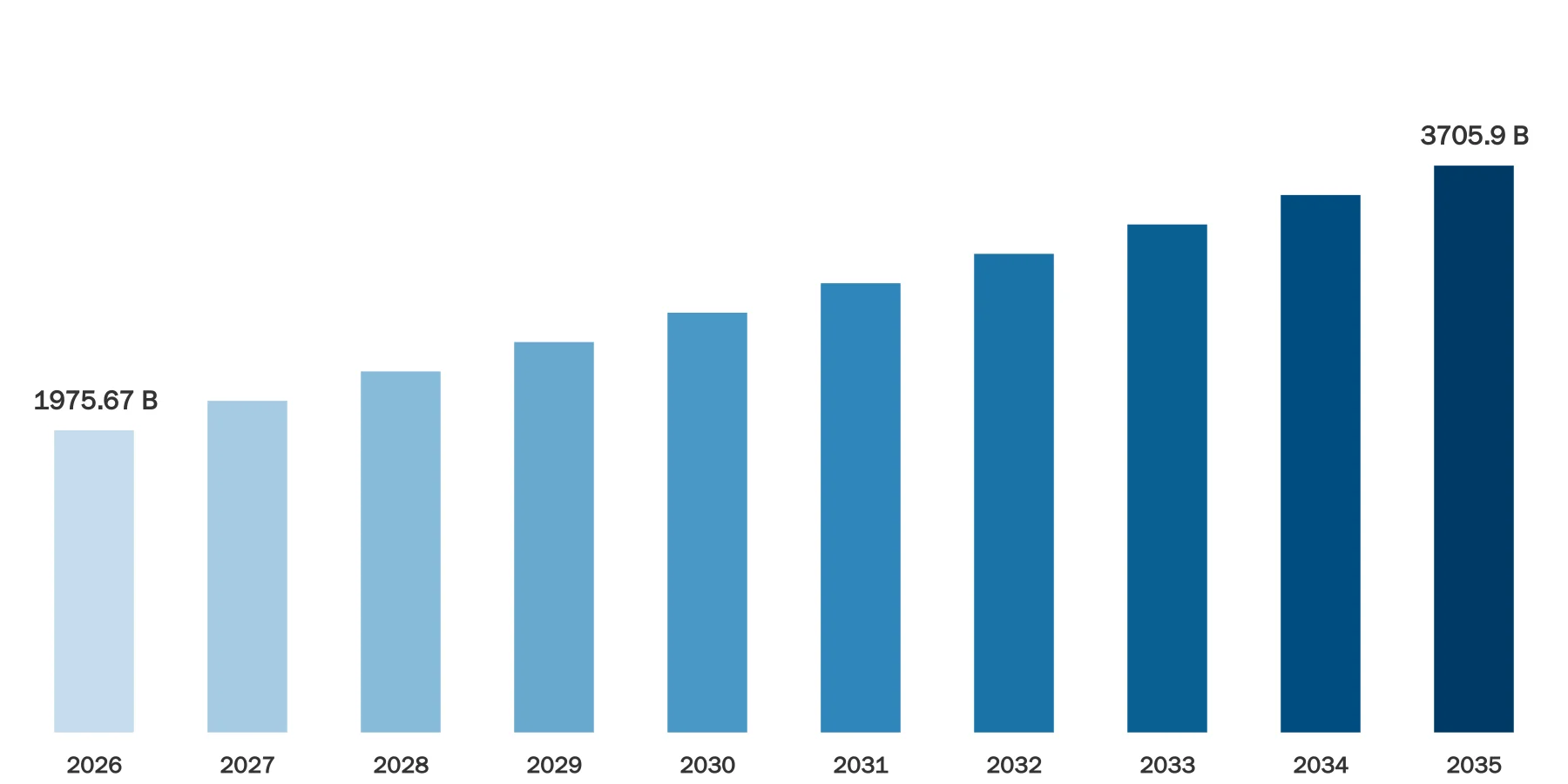
Source: Econ Market Research
The Business Travel Market represents a major component of global corporate mobility and professional networking activities. Worldwide, more than 460 million business trips occur annually across 190+ countries, covering meetings, corporate events, trade negotiations, and strategic partnerships. Corporate travel accounts for approximately 25–30% of global travel activities, with an average business trip lasting 2.5 to 4 days. Air travel dominates the Business Travel Market Size, with nearly 70% of corporate travelers using commercial airlines for domestic and international trips. Hotels play a critical role in the Business Travel Industry, with over 55% of hotel room bookings in major urban centers linked to corporate travelers. Corporate travel policies typically allocate 5–12 trips per employee annually in multinational enterprises.
The United States Business Travel Market represents one of the largest and most active segments globally. The U.S. records more than 400 million domestic business trips every year, with corporate travel representing approximately 30% of total domestic travel demand. More than 8 million professionals travel for business purposes every week within the country. The U.S. hosts over 250 major convention centers and 1,200 large exhibition venues, supporting corporate meetings, conferences, and trade exhibitions. Approximately 65% of business travelers in the United States use air transportation, while 20% rely on rail or road transport. Business travel also drives urban hotel demand, with corporate travelers occupying nearly 50% of weekday hotel room bookings in major cities.
Market Latest Trends
The Business Travel Market Trends highlight the rapid transformation of corporate travel patterns influenced by digital tools, hybrid work models, and international trade expansion. Globally, more than 60% of corporate travelers now rely on mobile travel management applications to manage bookings, itineraries, and expense reporting. Digital travel platforms process over 100 million corporate travel bookings annually, reflecting strong adoption across multinational enterprises.
One major trend in the Business Travel Market Analysis is the growth of blended travel, often referred to as business and leisure travel. Nearly 35% of corporate travelers extend their business trips by 1–3 additional leisure days, increasing hotel stays and tourism spending. Hotels in major business hubs report that approximately 40% of corporate travelers include at least 1 leisure activity during their trips.
The Business Travel Industry Report also indicates strong growth in international corporate travel linked to global trade activities. More than 80,000 international trade events and exhibitions are held annually, attracting millions of professionals across industries such as manufacturing, technology, and healthcare.
Another trend shaping the Business Travel Market Insights is sustainability initiatives. Approximately 45% of global corporations have implemented sustainable travel policies encouraging train travel for distances below 800 kilometers and promoting carbon tracking tools for corporate travel programs.
Market Dynamics
DRIVER
Expansion of Global Corporate Operations and International Trade
The primary driver in the Business Travel Market Growth is the expansion of multinational corporations and international trade networks. More than 90,000 multinational companies operate across global markets, maintaining offices in 150+ countries and requiring frequent executive travel for operational coordination. Business travel supports negotiations, client meetings, supply chain management, and investment activities.
Corporate travel demand is also fueled by global trade agreements and cross-border partnerships. Over 70% of multinational firms conduct in-person meetings with international partners at least 3–5 times annually. Additionally, corporate conferences and trade exhibitions generate substantial travel demand, with major global events attracting 20,000 to 100,000 participants.
Technology companies, pharmaceutical manufacturers, financial institutions, and consulting firms represent major contributors to business travel demand. Large corporations typically allocate 10–20 business trips annually per senior executive, resulting in millions of corporate travel bookings each year. The increasing globalization of industries continues to drive demand for air travel, hotels, and event venues supporting corporate mobility.
RESTRAINT
Growth of Virtual Meetings and Digital Collaboration Tools
A key restraint in the Business Travel Market Analysis is the increasing use of digital collaboration platforms and virtual meeting technologies. More than 75% of companies worldwide utilize video conferencing tools to conduct meetings across global offices. Virtual meetings allow organizations to reduce travel costs and minimize time spent on long-distance trips.
During recent years, many corporations have adopted hybrid meeting models where teams conduct 60–70% of internal meetings online. Digital collaboration platforms enable professionals in different countries to communicate in real time without physical travel. For example, global companies may conduct weekly online meetings with participants from 5–10 countries simultaneously.
Additionally, corporate travel policies increasingly emphasize cost efficiency and environmental sustainability. Some companies have reduced short-distance flights by encouraging train travel for distances under 500 kilometers or replacing certain meetings with digital conferencing solutions. These changes influence the overall demand for business travel.
OPPORTUNITIES
Expansion of Global Trade Events and Corporate Conferences
A significant opportunity in the Business Travel Market Opportunities lies in the increasing number of international conferences, exhibitions, and corporate events. Globally, more than 30,000 large business conferences are organized annually across sectors including technology, healthcare, finance, and manufacturing.
Trade shows and exhibitions attract large numbers of business travelers, with major international trade fairs hosting 50,000 to 200,000 participants. These events often span 3–5 days and involve networking sessions, product demonstrations, and partnership negotiations.
Corporate training programs also contribute to travel demand. Large multinational organizations conduct hundreds of training events annually, often bringing together employees from multiple regions. Business travel associated with training, seminars, and leadership programs accounts for approximately 15–20% of corporate travel activities.
CHALLENGES
Rising Travel Costs and Corporate Budget Constraints
The Business Travel Market Challenges include rising transportation and accommodation costs that affect corporate travel budgets. International air travel costs have increased significantly, with long-haul flights often exceeding 10–12 hours of travel time and requiring complex logistics.
Corporate travel managers must coordinate flights, hotels, transportation, and meeting venues for thousands of employees annually. Large organizations may manage 50,000–200,000 travel bookings per year, requiring sophisticated travel management systems.
Additionally, business travelers often require premium services such as airport lounges, business-class seating, and conference facilities. These services increase operational costs for companies. Economic uncertainties and corporate budget adjustments may also reduce discretionary travel spending, especially during economic downturns.
SWOT Analysis
Strengths
More than 460 million global business trips occur annually.
Corporate travel accounts for 25–30% of total travel activities worldwide.
International trade events attract 50,000–200,000 participants per exhibition.
Multinational companies operate across 150+ countries, generating continuous travel demand.
Weaknesses
International flights often exceed 10–12 hours, creating logistical challenges for executives.
Corporate travel programs require managing thousands of bookings annually.
Travel expenses increase when employees attend multi-day conferences lasting 3–5 days.
Business travel often requires premium accommodation and transport services.
Opportunities
Over 30,000 global business conferences take place annually.
Hybrid business events combine physical and virtual participation for thousands of attendees.
Global corporate training programs bring employees together for hundreds of annual workshops.
Trade exhibitions host 50,000+ industry professionals across multiple sectors.
Threats
Virtual meeting platforms enable real-time communication for participants across 10+ countries.
Corporate sustainability policies limit short-distance flights below 800 kilometers.
Economic downturns may reduce corporate travel budgets by 10–20%.
Travel disruptions such as visa regulations and geopolitical issues impact international mobility.
Segmentation Analysis
The Business Travel Market Segmentation includes traveler type and travel purpose. Business travel is categorized by solo travelers and group travelers, depending on the size of corporate delegations. Purpose segmentation includes marketing activities, corporate meetings, trade shows, product launches, and other professional events. Each segment contributes differently to overall business travel demand and corporate mobility strategies.
By Traveler
Solo
Solo travelers represent approximately 65% of the Business Travel Market Share. Individual executives, consultants, and sales professionals frequently travel alone to attend client meetings, negotiations, and project management sessions. Solo corporate travelers typically complete 4–10 trips annually, depending on their role and industry sector.
Solo travelers often prioritize efficiency, with trips lasting 2–3 days and involving direct flights and business hotels located near commercial districts. Many corporations use digital travel platforms to manage individual bookings, enabling employees to arrange flights and accommodation within minutes. Solo travel remains essential for client relationship management and contract negotiations.
Group
Group travelers account for around 35% of the Business Travel Market Size. Corporate teams frequently travel together for conferences, trade exhibitions, and training programs. Corporate delegations often include 5–50 participants, depending on the scale of the event.
Group travel typically involves coordination of flights, hotel blocks, and conference registrations. Large corporate events may bring together hundreds of employees from different regions. These events often last 3–5 days and include presentations, networking sessions, and strategic planning meetings.
By Purpose
Marketing
Marketing-related business travel accounts for approximately 20% of corporate travel activities. Marketing professionals travel to meet clients, promote services, and develop partnerships. Marketing roadshows and client presentations often involve 10–30 meetings within a single travel schedule.
Meetings
Corporate meetings represent nearly 30% of the Business Travel Market Share. Executives frequently travel to headquarters or regional offices for strategic discussions and operational coordination. Global companies often organize quarterly leadership meetings involving 20–100 executives from different regions.
Trade Shows/Exhibitions
Trade shows and exhibitions account for around 25% of business travel demand. Major trade fairs attract 50,000 to 200,000 attendees and feature 1,000+ exhibitors showcasing new products and technologies.
Product Launch
Product launches contribute nearly 10% of business travel activities. Companies organize launch events attended by 100–500 industry professionals, including media representatives and distributors.
Others
Other business travel purposes represent approximately 15% of corporate travel demand, including training programs, recruitment events, and corporate workshops. These events may involve 50–300 participants depending on company size.
Regional Analysis
The Business Travel Market Regional Analysis highlights strong corporate mobility across major economic regions including North America, Europe, Asia-Pacific, and the Middle East & Africa. Each region supports millions of annual business trips linked to trade, corporate events, and international business operations.
North America
North America holds approximately 35% of the global Business Travel Market Share. The United States and Canada host thousands of corporate headquarters and regional offices for multinational companies. The region records more than 450 million domestic and international business trips annually.
The United States alone supports over 400 million business trips each year, driven by corporate meetings, technology conferences, and trade exhibitions. Major convention centers in cities such as Las Vegas, Chicago, and Orlando host hundreds of business events annually, attracting tens of thousands of participants.
Business travelers in North America typically stay in hotels for 2–4 nights per trip, and corporate travel programs often involve frequent air travel between major cities such as New York, Los Angeles, and Toronto.
Europe
Europe accounts for approximately 28% of global business travel demand. The region hosts thousands of multinational corporations and international trade events across countries such as Germany, the United Kingdom, and France.
Europe organizes more than 15,000 business conferences annually, attracting millions of corporate travelers. Cities such as Berlin, London, and Paris host hundreds of international exhibitions covering industries including manufacturing, automotive, and healthcare.
Rail transportation also plays a significant role in European business travel, with high-speed train networks connecting cities within 300–800 kilometers.
Asia-Pacific
Asia-Pacific represents approximately 30% of the Business Travel Market Share. Rapid industrialization and expanding corporate sectors in countries such as China, Japan, India, and South Korea generate millions of annual business trips.
China hosts over 2,000 major trade exhibitions annually, attracting business travelers from around the world. India also organizes hundreds of corporate conferences and technology events each year.
Asia-Pacific airports handle millions of international travelers annually, with major hubs processing 50–100 million passengers per year.
Middle East & Africa
The Middle East & Africa region accounts for approximately 7% of the global Business Travel Market. The region hosts growing corporate sectors and international trade hubs in cities such as Dubai, Riyadh, and Johannesburg.
Dubai alone hosts more than 500 international conferences annually, attracting thousands of corporate travelers. Business events often involve 5,000–20,000 participants, particularly in industries such as finance, technology, and energy.
Competitive Landscape
The Business Travel Market Competitive Landscape consists of travel management companies, online booking platforms, and corporate travel service providers. Global travel management companies handle millions of corporate travel bookings annually, providing services including flight reservations, hotel bookings, and travel expense management.
Large travel management companies operate offices in 50–100 countries and employ thousands of travel consultants supporting corporate clients. These companies manage complex travel itineraries involving flights, hotels, ground transportation, and event registrations.
Digital booking platforms also play a major role in corporate travel management. Online platforms process hundreds of thousands of travel bookings daily, enabling companies to manage employee travel efficiently.
List of Top Business Travel Companies
American Express Company
BCD Group
Booking Holdings
Expedia, Inc.
Corporate Travel Management
Hogg Robinson Ltd
CWT Solutions
Wexas Travel
Frosch International Travel
Travel Leaders Group
Top 2 Companies with Highest Market Share
American Express Company manages corporate travel services for thousands of organizations across 140+ countries, handling millions of travel bookings annually.
BCD Group operates corporate travel management services in more than 100 countries, supporting global companies with large-scale travel programs.
Market Investment Outlook
The Business Travel Market Investment Outlook highlights strong investment activity in travel technology platforms and corporate mobility solutions. Travel management companies are investing heavily in digital platforms capable of processing millions of travel bookings annually.
Airlines and hotels are also investing in business traveler services such as premium lounges and meeting facilities. Major international airports operate 20–50 executive lounges, offering services for corporate travelers.
Corporate event infrastructure is another investment focus. Convention centers worldwide host thousands of conferences annually, with some venues capable of accommodating 20,000–50,000 attendees simultaneously.
Travel technology startups are also developing Artificial Intelligence tools that analyze millions of travel data points to optimize corporate travel planning and expense management.
New Product Development
Innovation in the Business Travel Market focuses on digital travel management platforms, artificial intelligence booking tools, and integrated expense management systems. Many travel management platforms now offer mobile applications enabling employees to book flights and hotels within less than 5 minutes.
AI-powered travel assistants analyze traveler preferences and recommend optimal itineraries based on factors such as travel time, meeting schedules, and cost efficiency. Some systems analyze thousands of travel options within seconds.
Biometric technologies are also improving airport experiences for business travelers. Airports using biometric identification systems reduce security processing times by 30–40%.
Corporate travel platforms also integrate expense tracking tools that automatically categorize travel costs and generate financial reports for companies managing thousands of employee trips annually.
Recent Developments
2023: Corporate travel platforms processed more than 100 million digital travel bookings globally through integrated booking systems.
2023: Major international airports expanded business traveler facilities by opening 30+ new executive lounges across global hubs.
2024: Global trade exhibition participation exceeded 200,000 attendees at major technology conferences held in Asia and North America.
2024: Corporate travel management companies introduced AI booking platforms capable of analyzing thousands of flight and hotel combinations in seconds.
2025: New international convention centers opened in major cities with capacity to host 50,000 conference participants simultaneously.
Business Travel Market Report Scope & Segmentation
| Attributes | Details |
|---|---|
Market Size (Current) | US$ 1975.67 Billion in 2026 |
Market Size (Forecast) | US$ 3705.9 Billion in 2035 |
Growth Rate | CAGR of 6.7% from 2026 to 2035 |
Forecast Period | 2026 – 2035 |
Base Year | 2025 |
Historical Data Available | Yes |
Regional Scope | Global |
Segments Covered | By Traveler
By Purpose
By Industry
|
Frequently Asked Questions
Common questions about this report
The study period covers historical insights and forecast projections for the period 2026-2035.
About the Author
Market research expert with years of industry experience

Dipali Bhingare serves as the Market Research Director at Econ Market Research. With a focus on translating complex global economic shifts into actionable business intelligence, she oversees the strategic direction of comprehensive market studies. Her work empowers organizations to navigate volatile industries through data-driven forecasting and deep-dive competitive analysis.
Related Reports
Explore more market insights from the same category