

Building-integrated Photovoltaics Market
Building-integrated Photovoltaics Market Size, Share, Trends, Growth, and Industry Analysis, By Technology (Crystalline Silicon, Thin Film, Others), By Application (Roofs, Walls, Glass, Facade), By End-User (Residential, Commercial, Industrial), Regional Analysis and Forecast Period 2026-2035
Building-integrated Photovoltaics Market Overview
As per Econ Market Research analysis, the Global Building-integrated Photovoltaics Market size amounted to US$ 1.04 Billion in 2026 and is anticipated to grow to US$ 3.94 Billion by 2035, recording a CAGR of 15.98% during 2026–2035. The base year taken for analysis is 2025.
Building-integrated Photovoltaics Market Size 2025-2035 (USD Billion)

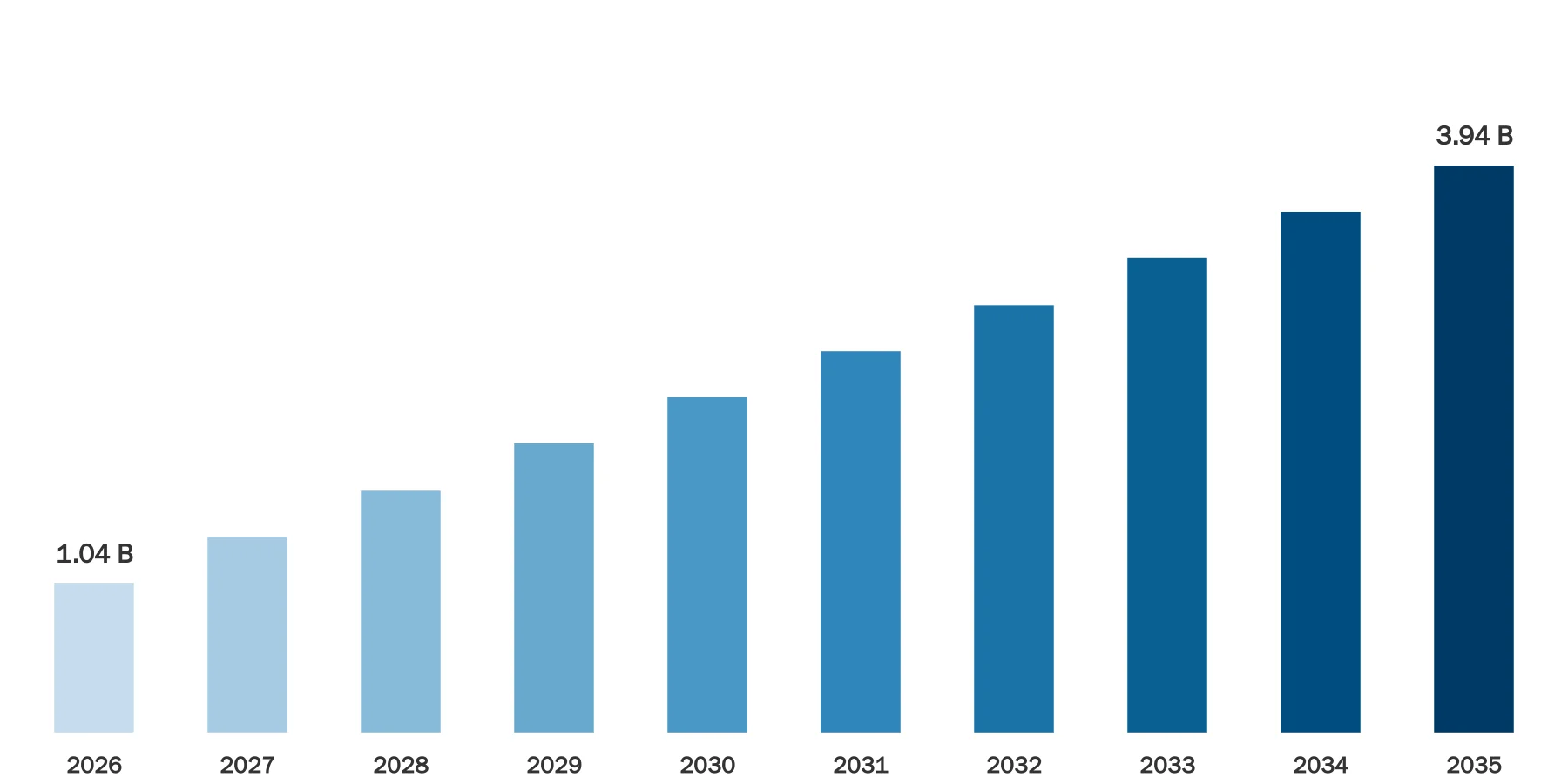
Source: Econ Market Research
The BIPV market has witnessed significant growth owing to the increasing global emphasis on sustainable energy solutions and the drive towards green building practices. BIPV systems not only generate clean electricity but also serve architectural functions, blending aesthetics with functionality. The integration of solar cells into building materials such as roofs, facades, and windows offers dual benefits of energy production and architectural enhancement. As urbanization accelerates and environmental concerns escalate, BIPV emerges as a promising solution to meet the energy demands of buildings while reducing carbon footprint.
The market encompasses a diverse range of technologies, including thin-film solar cells, crystalline silicon modules, and organic photovoltaics, catering to various architectural requirements and energy needs. Key market players are actively investing in research and development to enhance the efficiency, durability, and aesthetics of BIPV systems, driving technological advancements and market expansion. Government initiatives, subsidies, and favourable regulatory frameworks further stimulate market growth by incentivizing the adoption of BIPV solutions in both residential and commercial sectors.
Building-integrated Photovoltaics Dynamics
BIPV and other sustainable energy solutions are in high demand due to rising environmental consciousness and strict regulations aimed at lowering carbon emissions. The market is significantly boosted as governments around the world enact policies to encourage the adoption of renewable energy and promote green building practices. Furthermore, BIPV technology advancements address critical performance and integration concerns to drive market growth through enhanced efficiency, durability, and aesthetic appeal. Further driving market expansion are growing energy costs and the need for energy independence, which encourage consumers, both residential and commercial, to investigate alternative energy sources.
However, the BIPV market encounters challenges stemming from factors such as high initial costs, limited awareness, and integration complexities. The upfront investment required for BIPV installations remains a deterrent for some consumers despite long-term cost savings and environmental benefits. Moreover, integrating BIPV systems seamlessly into existing infrastructure poses technical challenges, necessitating specialized expertise and architectural considerations. Furthermore, market fragmentation and the presence of numerous technology providers contribute to variations in product quality, standards, and compatibility, complicating decision-making processes for consumers.
Building-integrated Photovoltaics Drivers
Government Incentives and Regulatory Support:
Regulatory frameworks and government initiatives are key factors in the adoption of building-integrated photovoltaics (BIPV). Financial incentives, tax credits, and subsidies are provided by numerous governments worldwide to promote the installation of BIPV systems. By reducing the upfront high costs of BIPV installations, these incentives help make them more affordable for both residential and commercial users. Regulations requiring energy-efficient building construction standards also encourage the use of BIPV technologies. The market for BIPV is anticipated to grow as long as governments continue to place a high priority on sustainability and renewable energy, which will benefit producers and installers.
Technological Advancements and Cost Reduction Efforts:
Constant innovation and technological progress in BIPV enhances the effectiveness, resilience, and attractiveness of BIPV systems. Building-Integrated Concentrating Photovoltaics (BICPV), thin-film solar cells, and transparent Solar Panels are examples of innovations that increase the applicability and versatility of BIPV solutions across a range of architectural styles and building materials.
In addition, continuous R&,D endeavours concentrate on diminishing production expenses and enhancing installation methodologies, rendering BIPV a more formidable contender in comparison to conventional construction materials. For developers, architects, and homeowners looking for sustainable energy solutions, BIPV is becoming a more alluring option as technology advances lower costs and improve performance. The growing sophistication and efficiency of BIPV systems position them as integral components of future green buildings and smart cities, driving market growth and innovation.
Restraints:
High Initial Costs and Return on Investment Concerns:
The high initial cost of installation is one of the main obstacles preventing BIPV from being widely adopted. Although BIPV systems can result in long-term financial savings by lowering energy bills and possibly generating income from surplus electricity produced, many consumers are still put off by the initial costs. Furthermore, some businesses and homeowners are discouraged from investing in BIPV due to concerns about the payback period and ROI, particularly in areas with lower electricity prices and fewer financial incentives. In order to remove these financial obstacles and increase the affordability and accessibility of BIPV for a larger range of consumers, creative financing solutions like power purchase agreements and solar leasing are needed.
Integration and Compatibility Challenges:
Integrating BIPV systems seamlessly into existing building infrastructure poses technical challenges related to compatibility, design constraints, and installation complexity. Architects and developers must consider various factors such as building orientation, shading, structural support, and electrical connections when incorporating BIPV into construction projects. Achieving optimal integration without compromising architectural aesthetics and building functionality requires specialized expertise and coordination among multiple stakeholders.
Moreover, the diversity of BIPV technologies and manufacturers contributes to compatibility issues and interoperability concerns, limiting product choices and complicating decision-making processes for consumers. Addressing these integration challenges necessitates standardization efforts, enhanced collaboration among industry stakeholders, and the development of modular BIPV solutions that can be easily customized and integrated into different building designs and environments.
Opportunities:
Innovation in Material Science and Design:
Advancements in material science, nanotechnology, and design innovation present exciting opportunities for enhancing the performance, efficiency, and aesthetics of BIPV systems. Research into novel materials such as perovskite solar cells, quantum dots, and organic photovoltaics holds promise for developing next-generation BIPV solutions that are lightweight, flexible, and highly efficient. These materials offer opportunities to integrate solar cells into a wider range of building components, including flexible solar films, textiles, and coatings, expanding the scope of BIPV applications beyond traditional rooftops and facades. Furthermore, advances in building-integrated energy storage technologies enable BIPV systems to store excess energy for later use, enhancing grid resilience and enabling greater energy independence for buildings.
Segment Overview
By Technology:
BIPV systems leverage various technologies for Solar Energy conversion, including crystalline silicon, thin-film, and other emerging technologies. Crystalline silicon modules are the most common and widely deployed technology in BIPV installations due to their high efficiency and reliability. Thin-film technologies offer advantages such as flexibility and lightweight construction, making them suitable for integration into diverse building materials. Emerging technologies like perovskite solar cells and organic photovoltaics hold promise for further enhancing the efficiency and versatility of BIPV systems.
By Application:
BIPV systems can be integrated into different building components, including roofs, windows, walls, facades, and other architectural elements. Rooftop installations represent a significant application segment, where solar panels are seamlessly integrated into building roofs to generate electricity while providing weather protection. Window-integrated BIPV solutions allow natural light penetration while harnessing solar energy, offering dual functionality. BIPV facades and walls serve both aesthetic and functional purposes, contributing to building energy efficiency and design flexibility.
By End-use:
The BIPV market caters to various end-use sectors, including industrial, commercial, and residential buildings. Industrial facilities integrate BIPV systems into roofs and facades to offset energy consumption and reduce operational costs while demonstrating corporate sustainability initiatives. Commercial buildings, such as offices, malls, and educational institutions, utilize BIPV solutions to enhance energy efficiency, comply with green building certifications, and showcase environmental stewardship. In the residential sector, homeowners adopt BIPV technologies to reduce utility bills, increase property value, and contribute to renewable energy adoption goals.
Building-integrated Photovoltaics Overview by Region
In mature markets such as Europe and North America, stringent energy efficiency regulations, favourable feed-in tariffs, and increasing sustainability awareness drive robust demand for BIPV solutions in both commercial and residential sectors. Countries like Germany, the United States, and the United Kingdom lead in BIPV installations, leveraging advanced technologies and innovative architectural designs to integrate solar energy seamlessly into building structures.
In Asia Pacific, rapid urbanization, rising energy demand, and government initiatives promoting renewable energy drive significant market growth. Countries like China, Japan, and Australia invest heavily in BIPV infrastructure to address energy security concerns, reduce carbon emissions, and foster sustainable development. Additionally, supportive policies, technological advancements, and collaborations between government agencies, industry players, and research institutions accelerate BIPV adoption in emerging markets across Latin America, the Middle East, and Africa.
Building-integrated Photovoltaics Market Competitive Landscape
Established companies such as Tesla, Solaria Corporation, Hanergy Thin Film Power Group, and SunPower Corporation dominate the market with their diverse portfolio of BIPV products, technological expertise, and extensive distribution networks. These industry leaders invest heavily in research and development to enhance the efficiency, durability, and aesthetics of BIPV systems, catering to the evolving needs of commercial and residential customers. Moreover, strategic partnerships with architects, building developers, and construction firms enable these companies to integrate BIPV solutions seamlessly into architectural designs and construction projects, further consolidating their market position.
In addition to established players, the BIPV market witnesses the emergence of innovative start-ups and niche players specializing in novel materials, design concepts, and installation techniques. These newcomers, including Onyx Solar, Solaria Energí,a y Medio Ambiente, and Polysolar, disrupt the market with their cutting-edge technologies, customizable solutions, and focus on sustainability. As competition intensifies, companies differentiate themselves through factors such as product performance, pricing strategies, warranty offerings, and customer support services. Furthermore, industry consolidation, mergers, and acquisitions shape the competitive landscape, with larger players seeking to expand their product portfolios, geographic reach, and technological capabilities through strategic alliances and acquisitions of smaller firms.
Building-integrated Photovoltaics Recent Developments
Sept 2023, Solarstone has revealed its cutting-edge Building-Integrated Photovoltaics (BIPV) factory, positioning itself as the largest facility of its kind in Europe in terms of production capacity. With the capability to manufacture 13,000 integrated solar panels monthly, the factory can annually equip 6,000 households with 10 kW solar roof installations, sufficient to power an average home. To put its scale into context, while Tesla has introduced its Solar Roof technology seven years ago, they have only implemented it in 3,000 homes across the United States.
Global Building-integrated Photovoltaics Report Segmentation
Building-integrated Photovoltaics Market Report Scope & Segmentation
| Attributes | Details |
|---|---|
Market Size (Current) | US$ 1.04 Billion in 2026 |
Market Size (Forecast) | US$ 3.94 Billion in 2035 |
Growth Rate | CAGR of 15.98% from 2026 to 2035 |
Forecast Period | 2026 – 2035 |
Base Year | 2025 |
Historical Data Available | Yes |
Regional Scope | Global |
Segments Covered | By Technology
By Application
By End-User
|
Frequently Asked Questions
Common questions about this report
The study period covers historical insights and forecast projections for the period 2026-2035.
About the Author
Market research expert with years of industry experience

Dipali Bhingare serves as the Market Research Director at Econ Market Research. With a focus on translating complex global economic shifts into actionable business intelligence, she oversees the strategic direction of comprehensive market studies. Her work empowers organizations to navigate volatile industries through data-driven forecasting and deep-dive competitive analysis.
Related Reports
Explore more market insights from the same category