

Autonomous Bike Market
Autonomous Bike Market Size, Share, Trends, Growth, and Industry Analysis, By Bike Type (Electric Bike, Motorcycle, Scooter), By Technology (Fully Autonomous, Semi-Autonomous), By Application (Commercial, Personal), Regional Analysis and Forecast Period 2026-2035
Market Overview
As per Econ Market Research analysis, the Global Autonomous Bike Market reached a valuation of US$ 2.08 Billion in 2026 and is anticipated to grow to US$ 12.92 Billion by 2035, at a CAGR of 22.5% during the forecast timeline 2026–2035. The base year considered is 2025.
Autonomous Bike Market Size 2025-2035 (USD Billion)

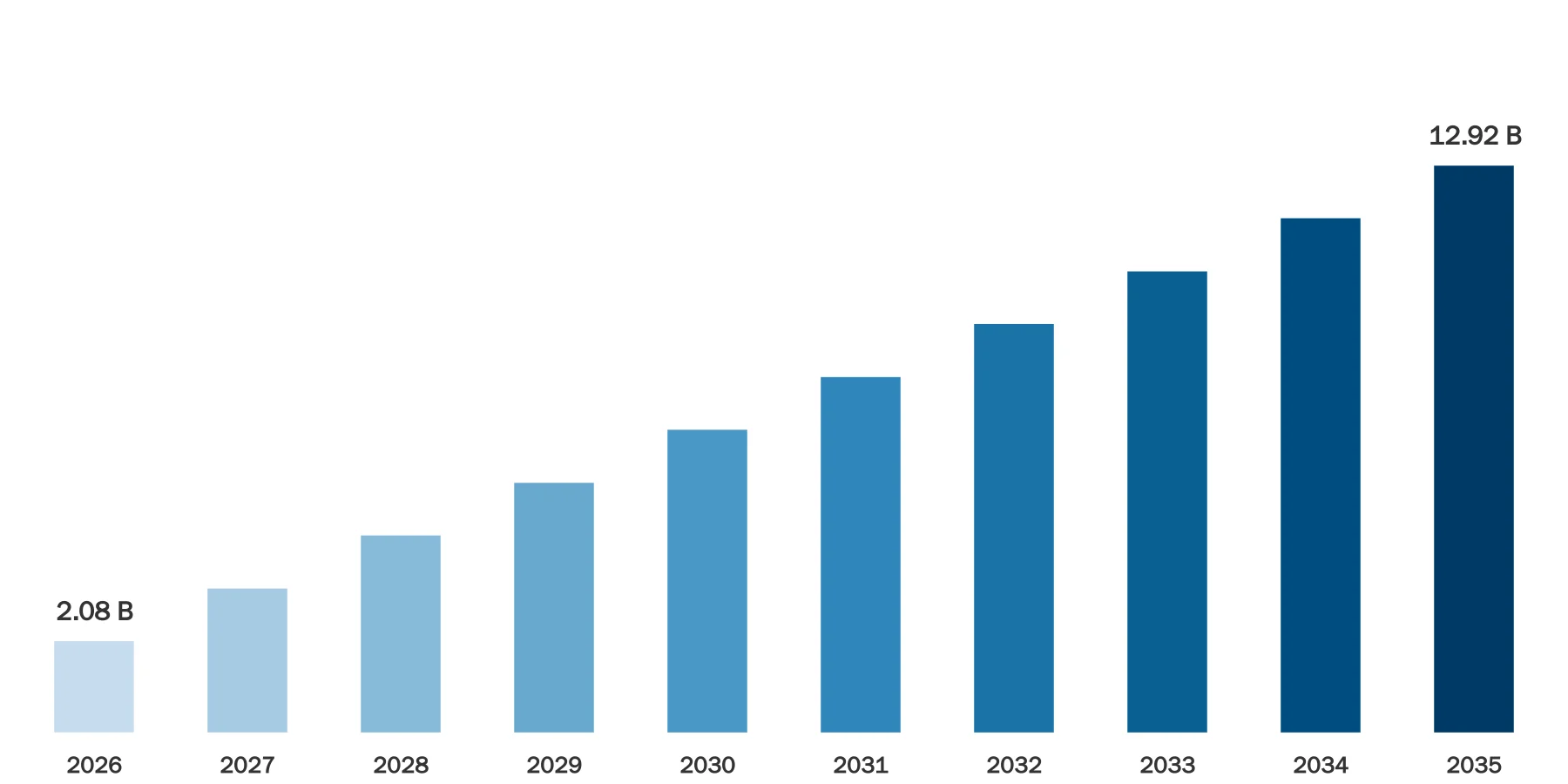
Source: Econ Market Research
Autonomous bikes refer to bikes which use advanced technologies like sensors, GPS navigation, and Artificial Intelligence to navigate roads, avoid obstacles, and ensure safe travels. Unlike regular bikes, autonomous bikes can detect and react to their surroundings, making them ideal for various uses such as city commuting, delivery services, and recreational activities. The demand for self-driving bicycles is rapidly increasing due to worries about city traffic, pollution, and the need for eco-friendly transportation options. The Global Autonomous Bike market is growing rapidly in the transportation industry, focusing on bikes that can operate without human control.
One of the key drivers pushing the autonomous bike market ahead is the growing enthusiasm for smart mobility solutions that offer convenience and lessen dependence on traditional transportation methods. With urban areas expanding and facing challenges such as traffic congestion and pollution, autonomous bikes are seen as a hopeful solution, providing a sustainable and flexible option for short-distance traveling.
Moreover, advancements in technology, like longer-lasting batteries and improved sensor capabilities, are making self-driving bikes more reliable and useful for everyday use. Continued research and development to enhance safety and performance are expected to drive the growth of the global autonomous bike market in the near future, offering opportunities for manufacturers, tech providers, and city planners to drive the future of urban transportation.
Autonomous Bike Dynamics
Various factors affect the direction and growth of the global autonomous bike market. The main driving force behind this growth is the growing emphasis on sustainable transportation solutions in light of environmental issues and urban traffic congestion. Cities around the world are facing challenges related to pollution and traffic jams, making autonomous bikes a promising solution for short-distance travel, as they offer emission-free and efficient mobility.
Additionally, advancements in technology, such as AI, sensor technologies, and battery efficiency, are playing a key role in shaping the market dynamics by improving the capabilities and attractiveness of autonomous bikes. These advancements not only improve performance but also contribute to making autonomous bikes more accessible and practical for consumers. Furthermore, with the rise of smart cities and efforts to promote environmentally-friendly transportation, the market is seeing a boost.
Governments and city planners are starting to realize the benefits of self-driving bikes in easing traffic and lowering the environmental impact of city transit. This acknowledgment has LED to new policies and infrastructure improvements to make it easier for autonomous bikes to be added to current transportation systems. Partnerships between bike makers, tech firms, and policymakers are key in shaping the market, promoting creativity, and tackling regulatory hurdles. However, market dynamics are not without challenges, including safety concerns, regulatory complexities, and the need for robust infrastructure.
Autonomous Bike Drivers
Growing Demand for Sustainable Transportation
As people become more focused on the environment and sustainable living, the need for transportation choices that decrease carbon emissions and ease urban traffic is on the rise. Self-driving bikes are a great match for these requirements, providing pollution-free travel for short trips. As sustainability becomes a priority for both consumers and cities, there will likely be a substantial increase in the demand for self-driving bikes. Additionally, governments offer incentives to encourage the use of eco-friendly transportation, which could boost market expansion.
Advancements in Technology
The continuous progress in technology, especially in fields like artificial intelligence, sensors, and battery technology, is pushing the advancement and enhancement of autonomous bikes. These technological breakthroughs boost the safety, dependability, and efficiency of autonomous bikes, making them more appealing to customers. Upgraded battery performance increases the distance autonomous bikes can travel, while sophisticated sensors allow for improved navigation and obstacle recognition. With technology constantly improving, autonomous bikes are becoming more feasible and convenient, driving market expansion.
Restraints:
Safety Concerns
Safety is still a major issue for self-driving bikes, especially regarding how they interact with people, cars, and other riders. The recent accidents involving Autonomous Vehicles have made people doubt their safety and how dependable they are, which could slow down how widely they are used. To overcome this hesitation and gain trust from both consumers and policymakers, it will be important to focus on safety by conducting thorough tests, implementing regulations, and making technological improvements.
Regulatory Challenges
The rules and regulations for self-driving bicycles are still changing and differ significantly from one place to another. The lack of clarity on how these bikes should be operated, licensed, and insured creates difficulties for both companies making them and people using them. Bringing regulations into line and setting clear rules for how self-driving bikes can be used will be crucial in realizing their full benefits and helping the market expand.
Opportunities:
Urban Mobility Solutions
Self-driving bicycles provide a chance to tackle urban transportation challenges, providing a versatile and environmentally friendly option for short trips. With the ongoing expansion of cities, the need for effective and sustainable mobility options will rise, creating a promising market for autonomous bikes. Working together with urban planners and transportation officials to incorporate self-driving bicycles into city infrastructure can improve their usefulness and availability.
Segment Overview
By Level of Autonomy
By level of Autonomy the market is segmented into, semi-autonomous and fully autonomous. Semi-autonomous bikes need some human input for tasks like steering or braking, but they also have features like collision avoidance and lane-keeping assistance. Fully autonomous bikes, on the other hand, function without any human intervention due toc sensors and AI that help them navigate, detect obstacles, and make independent decisions.
By Vehicle Type
By types of vehicles, market is segmented into kick scooters, e-bicycles, and motorcycles, each with their own unique benefits and purposes. Kick scooters are small and easy to carry, making them perfect for short trips in the city or for covering the last leg of a journey. E-bicycles combine the ease of regular bicycles with electric power, offering a green and effective way to get around in both city streets and leisurely rides. Motorcycles, whether traditional or electric, provide faster speeds and longer distances, appealing to commuters and thrill-seekers looking for power and flexibility.
By Technology
By technology, autonomous bikes use different sensors and systems to achieve autonomy and improve safety. These bikes rely on GPS technology for precise positioning and navigation, helping them efficiently plan routes and reach their destinations. Cameras and radars are used to detect obstacles and monitor the bike',s surroundings, which allows for collision avoidance and adaptive cruise control. Gyroscopes play a role in maintaining stability and balance, especially in electric-powered bikes.
Additionally, intelligent speed assistance systems adjust speed according to road conditions and traffic, promoting safety and adherence to regulations. Other technologies can include connectivity features, such as vehicle-to-vehicle communication, or advanced algorithms for decision-making and path planning.
Autonomous Bike Overview by Region
The autonomous bike market varies across regions, influenced by infrastructure development, regulations, and consumer preferences. In developed regions like North America and Europe, a strong emphasis on sustainable transportation solutions is driving demand for autonomous bikes. These regions are also known for their technological advancements and supportive regulations, which promote innovation and adoption.
On the other hand, developing regions in Asia Pacific and Latin America are grappling with urbanization issues such as congestion and pollution, presenting opportunities for autonomous bikes to offer solutions. In addition, government efforts to encourage the expansion of smart cities and environmentally friendly transportation play a key role in driving market growth in these areas. Nevertheless, varying levels of infrastructure, cultural views on biking, and regulatory hurdles present obstacles to expanding the market across different regions.
Autonomous Bike Market Competitive Landscape
The competitive landscape in the autonomous bike market is marked by a diverse mix of established players and emerging start-ups vying for dominance. Traditional bike manufacturers such as Trek, Giant, and Specialized are leveraging their extensive experience and brand recognition to develop autonomous bike offerings, integrating advanced technology into their existing product lines. Meanwhile, technology giants like Google',s Waymo and Tesla are entering the market with their expertise in autonomous vehicles, contributing to innovation and competition.
Additionally, a wave of startups including Jump (owned by Uber), Lime, and Bird are disrupting the market with innovative bike-sharing and micro-mobility services, rapidly expanding their operations globally and forging partnerships with cities and transportation authorities. Academic research institutions and smaller technology firms are also playing a role in shaping the competitive landscape by developing cutting-edge technologies and solutions for autonomous bikes. As competition intensifies, players are focusing on differentiation through technological innovation, user experience enhancement, and strategic partnerships to gain a competitive edge in this rapidly evolving market.
Autonomous Bike Market Leading Companies:
Trek
Giant
Specialized
Google (Waymo)
Tesla
Uber (Jump)
Lime
Bird
Baidu
Bosch
Yamaha
Honda
Xiaomi
Segway-Ninebot
Ford
Autonomous Bike Report Segmentation
Autonomous Bike Market Report Scope & Segmentation
| Attributes | Details |
|---|---|
Market Size (Current) | US$ 2.08 Billion in 2026 |
Market Size (Forecast) | US$ 12.92 Billion in 2035 |
Growth Rate | CAGR of 22.5% from 2026 to 2035 |
Forecast Period | 2026 – 2035 |
Base Year | 2025 |
Historical Data Available | Yes |
Regional Scope | Global |
Segments Covered | By Bike Type
By Technology
By Application
|
Frequently Asked Questions
Common questions about this report
The study period covers historical insights and forecast projections for the period 2026-2035.
About the Author
Market research expert with years of industry experience

Dipali Bhingare serves as the Market Research Director at Econ Market Research. With a focus on translating complex global economic shifts into actionable business intelligence, she oversees the strategic direction of comprehensive market studies. Her work empowers organizations to navigate volatile industries through data-driven forecasting and deep-dive competitive analysis.
Related Reports
Explore more market insights from the same category