
Automotive Head-Up-Display (HUD) Market Size, Share, Trends, Growth, and Industry Analysis, By Type (Windshield and Combiner), Vehicle Type (Passenger Cars and Commercial Vehicles), Dimension Type (2D HUD, 3D HUD), By End-User (Original Equipment Manufacturers (OEMs), Aftermarket Regional Analysis and Forecast 2032.
Global Automotive Head-Up-Display (HUD) market size was USD 1.52 billion in 2023 and the market is projected to touch USD 7.24 billion by 2032, at a CAGR of 18.94% during the forecast period.
HUD systems project data such as speed, navigation directions, and safety wa ings onto the windshield, enhancing driving safety and convenience. The market for HUDs has experienced significant growth due to increasing demand for advanced driver assistance systems (ADAS) and connected vehicles. This growth is driven by factors such as rising awareness about road safety, technological advancements, and the integration of augmented reality (AR) features into HUD systems. Major players in the market include automotive manufacturers, technology companies, and suppliers of display and projection technologies. The market is expected to continue growing as automakers prioritize the integration of HUDs into their vehicles to offer enhanced driving experiences and meet consumer demands for safer and more connected vehicles.
Automotive Head-Up-Display (HUD) Report Scope and Segmentation
| Report Attribute | Details |
| Estimated Market Value (2023) | USD 1.52 billion |
| Projected Market Value (2032) | USD 7.24 billion |
| Base Year | 2023 |
| Forecast Years | 2024 &ndash, 2032 |
| Scope of the Report | Historical and Forecast Trends, Industry Drivers and Constraints, Historical and Forecast Market Analysis by Segment- Based on By Type, Vehicle Type, Dimension Type, By End-User &, Region. |
| Segments Covered | By Type, Vehicle Type, Dimension Type, By End-User, &, By Region. |
| Forecast Units | Value (USD Million or Billion), and Volume (Units) |
| Quantitative Units | Revenue in USD million/billion and CAGR from 2024 to 2032. |
| Regions Covered | North America, Europe, Asia Pacific, Latin America, and Middle East &, Africa. |
| Countries Covered | U.S., Canada, Mexico, U.K., Germany, France, Italy, Spain, China, India, Japan, South Korea, Brazil, Argentina, GCC Countries, and South Africa, among others. |
| Report Coverage | Market growth drivers, restraints, opportunities, Porter&rsquo,s five forces analysis, PEST analysis, value chain analysis, regulatory landscape, market attractiveness analysis by segments and region, company market share analysis. |
| Delivery Format | Delivered as an attached PDF and Excel through email, according to the purchase option. |
Automotive Head-Up-Display (HUD) Dynamics
One significant driver is the increasing focus on road safety, with gove ments and regulatory bodies mandating the adoption of advanced driver assistance systems (ADAS) to reduce accidents. This has led to a surge in demand for HUDs, as they enhance driver awareness and reduce distraction by displaying vital information directly in the driver',s line of sight. Moreover, technological advancements such as augmented reality (AR) integration and the development of more sophisticated display and projection technologies have further fuelled market growth.
Additionally, the rising trend of connected vehicles and the integration of HUDs with other vehicle systems, such as infotainment and navigation, are expanding the market opportunities. ,However, the industry faces challenges like high upfront expenses and the requirement for complex installation procedures, especially when integrating HUD systems into older cars. In addition, as market participants compete more fiercely, pricing pressures increase and ongoing innovation is required to maintain an advantage. The COVID-19 pandemic has also had an effect on the automobile sector, which includes the HUD market. This has resulted in supply chain disruptions and a brief drop in demand.
Automotive Head-Up-Display (HUD) Drivers
- Growing Emphasis on Road Safety
Gove ments all over the world are placing a greater emphasis on traffic safety, which has led to the incorporation of advanced driver assistance systems (ADAS) into cars becoming required. Automotive Head-Up Display (HUD) systems reduce driver attention by showing vital information directly onto the windshield, which significantly improves road safety. The increased emphasis on safety is driving up demand for HUDs as manufacturers work to outfit their cars with cutting-edge safety systems to abide by rules and meet customer demands for safer driving experiences.
- Technological Advancements
The incorporation of augmented reality (AR) capabilities and ongoing advancements in projection and display technologies are propelling the growth of the vehicle HUD market. In order to improve image quality, increase field of view, and integrate sophisticated navigation and infotainment features, manufacturers are spending money on research and development. Real-time information provided by these technological developments not only improves the driving experience but also adds to the allure of cars, drawing in tech-savvy buyers who seek out cutting-edge features and connectivity possibilities.
Automotive Head-Up-Display (HUD) ,Restraints:
- High Initial Costs
Despite the benefits they offer, Automotive HUD systems often come with high initial costs, making them less accessible to budget-conscious consumers. Advanced display and projection technologies are needed for the integration of HUDs into cars, which can raise production costs dramatically. Widespread adoption is hampered by the installation and calibration procedures', intricacy, which raises the entire cost even more and targets price-sensitive market niches.
- Competitive Pressures and Pricing
Manufacturer competition in the automobile HUD industry is getting more intense, which is putting pressure on prices and reducing profit margins. Cost-effective solutions are becoming more and more important in order to draw in budget-conscious customers as new companies join the market and those who are already there broaden their product offerings. Because of the intense competition, manufacturers must strike a balance between providing cutting-edge features and keeping prices competitive, which will affect their long-term viability and profitability.
Automotive Head-Up-Display (HUD) ,Opportunities:
- Integration with Connected Vehicles
The market for automotive HUDs has a lot of potential due to the rise of linked automobiles. Manufacturers can provide smooth and customized driving experiences by integrating HUD systems with other car systems including entertainment, navigation, and vehicle-to-everything (V2X) connectivity. This integration improves driver comfort and connectivity by enabling the display of real-time traffic information, car diagnostics, and even augmented reality overlays.
Segment Overview
- By Type
The Automotive HUD market is segmented by type into windshield HUDs and combiner HUDs. Windshield HUDs project information directly onto the windshield, allowing drivers to view essential data without shifting their focus away from the road. Combiner HUDs, on the other hand, utilize a transparent display panel mounted on the dashboard, reflecting information onto a separate combiner lens positioned in the driver',s line of sight. Both types of HUDs offer distinct advantages, with windshield HUDs providing a seamless and integrated display experience, while combiner HUDs offer flexibility in installation and compatibility with a wider range of vehicle models.
- By Vehicle Type
Segmented by vehicle type, the Automotive HUD market caters to both passenger cars and commercial vehicles. Passenger cars, including sedans, SUVs, and hatchbacks, represent a significant portion of the market demand, driven by the growing adoption of advanced safety and convenience features among consumers. Commercial vehicles, such as trucks and buses, also present opportunities for HUD integration, particularly in fleet management and logistics applications where real-time data visibility is crucial for improving operational efficiency and driver safety.
- By Dimension Type
In terms of dimension type, the market offers both 2D HUDs and 3D HUDs. 2D HUDs project information onto a two-dimensional plane, providing clear and concise displays of essential data such as speed, navigation directions, and vehicle wa ings. 3D HUDs, on the other hand, utilize advanced projection technologies to create immersive augmented reality (AR) overlays, enhancing the depth and realism of displayed information. While 2D HUDs remain popular due to their simplicity and affordability, 3D HUDs are gaining traction for their ability to provide more engaging and intuitive user experiences, particularly in navigation and entertainment applications.
- By End-User
The Automotive HUD market is segmented by end-user into Original Equipment Manufacturers (OEMs) and aftermarket suppliers. OEMs integrate HUD systems directly into new vehicle models during the manufacturing process, offering seamless integration and factory-installed options for consumers. Aftermarket suppliers, on the other hand, provide retrofit solutions for existing vehicles, allowing owners to upgrade their vehicles with HUD technology post-purchase. Both segments play vital roles in driving market growth, with OEMs focusing on innovation and integration capabilities, while aftermarket suppliers cater to consumer demand for aftermarket customization and upgrades.
Automotive Head-Up-Display (HUD) Overview by Region
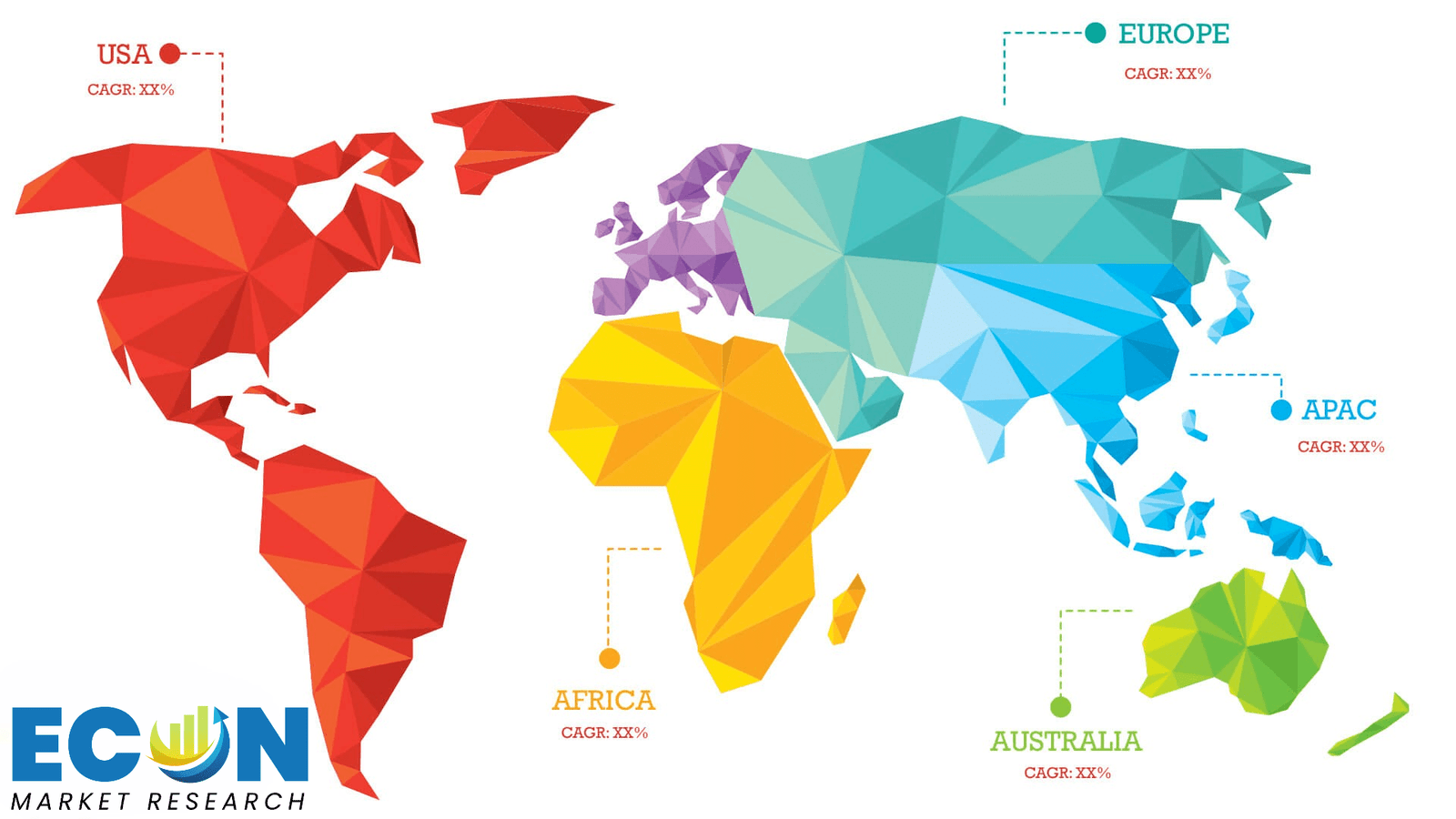
North America is the market leader due to a robust auto sector and rising customer demand for cutting-edge safety features. The area gains from significant investments in R&,D, which propel HUD technology innovation and promote alliances between technology suppliers and automakers. Europe is not far behind, propelled by strict safety laws and an increasing emphasis on auto automation and connection.
Germany, France, and the UK are among the nations that have made significant contributions, as top automakers have included HUD systems in their models. Asia Pacific emerges as a significant growth market, fuelled by rapid urbanization, increasing disposable incomes, and a burgeoning automotive sector in countries such as China, Japan, and India. Rising consumer awareness about road safety and the adoption of smart mobility solutions contribute to the growing demand for HUDs in the region. Gove ment programs supporting improved driver assistance systems and electric cars also contribute to the market',s growth.
Infrastructure development, expanding automobile manufacturing capacities, and better economic conditions are the main drivers of the areas', continuous growth across Latin America and the Middle East and Africa. These regions provide unexplored prospects for HUD manufacturers looking to diversify their global presence and capitalize on rising vehicle markets, even if their market shares are smaller than those of North America and Europe.
Automotive Head-Up-Display (HUD) Market Competitive Landscape
Leading companies such as Continental AG, Visteon Corporation, and Denso Corporation dominate the market with their extensive product portfolios and strong technological capabilities. These players focus on research and development to enhance HUD functionality, improve display clarity, and integrate advanced features such as augmented reality overlays.
Additionally, strategic partnerships and collaborations with automotive manufacturers enable these companies to expand their market reach and strengthen their presence in key regions. Emerging players, including Nippon Seiki Co., Ltd. and Panasonic Corporation, are also making significant investments in HUD technology, driving competition and innovation in the market. Furthermore, the aftermarket segment presents opportunities for niche players and start-ups offering retrofit solutions and customizable HUD options for existing vehicles.
Automotive Head-Up-Display (HUD) Market Leading Companies:
- Continental AG
- Denso Corporation
- Hudway Glass
- Microvision Inc.
- Panasonic Corporation
- Pioneer Corporation
- Robert Bosch GmbH
- Rockwell Collins
- Nippon Seiki Co. Ltd
- Visteon Corporation
- Yazaki Corporation
- Delphi Automotive PLC
- BAE Systems
Automotive Head-Up-Display (HUD) Report Segmentation
| ATTRIBUTE | , , , , ,DETAILS |
| By Type |
|
| By Vehicle Type |
|
| By Dimension Type |
|
| By End-User |
|
| By Geography |
|
| Customization Scope |
|
| Pricing |
|
,
No FAQs available.
Report Details
- Published DateMay 6, 2024
- FormatPDF
- LanguageEnglish