
Automotive Dealer Management System (DMS) Market Size, Share, Trends, Growth, and Industry Analysis, By Type (Cloud-based and On-premise), Application (Sales, Inventory Management, Finance, Dealer Tracking and Customer Relationship Management), and Region (North America, Europe, Asia-Pacific, Latin America, Middle-East and Africa) Regional Analysis and Forecast 2032.
Global Automotive Dealer Management System (DMS) market is predicted to reach approximately USD 9.87 billion by 2032, at a CAGR of 10.90% from 2024 to 2032.
Automotive DMS platforms typically include functionalities such as inventory management, sales tracking, customer relationship management (CRM), financial management, and reporting tools. These systems streamline dealership operations, enhancing productivity, customer service, and overall profitability. The market for DMS solutions is witnessing significant growth due to the increasing digitization of automotive retail, the growing complexity of dealership operations, and the demand for integrated software solutions that offer comprehensive management capabilities. Key players in this market offer diverse solutions to cater to the specific needs of automotive dealerships, driving competition and innovation in the industry. As automotive retail continues to evolve, DMS solutions are expected to play a crucial role in helping dealerships adapt to changing market dynamics and customer preferences, thereby sustaining growth and competitiveness in the global automotive industry.
Automotive Dealer Management System (DMS) Report Scope and Segmentation
| Report Attribute | Details |
| Estimated Market Value (2023) | USD 3.89 Billion |
| Projected Market Value (2032) | USD 9.87 Billion |
| Base Year | 2023 |
| Forecast Years | 2024 &ndash, 2032 |
| Scope of the Report | Historical and Forecast Trends, Industry Drivers and Constraints, Historical and Forecast Market Analysis by Segment- Based on By Type, By Application, &, Region. |
| Segments Covered | By Type, By Application, &, By Region. |
| Forecast Units | Value (USD Million or Billion), and Volume (Units) |
| Quantitative Units | Revenue in USD million/billion and CAGR from 2024 to 2032. |
| Regions Covered | North America, Europe, Asia Pacific, Latin America, and Middle East &, Africa. |
| Countries Covered | U.S., Canada, Mexico, U.K., Germany, France, Italy, Spain, China, India, Japan, South Korea, Brazil, Argentina, GCC Countries, and South Africa, among others. |
| Report Coverage | Market growth drivers, restraints, opportunities, Porter&rsquo,s five forces analysis, PEST analysis, value chain analysis, regulatory landscape, market attractiveness analysis by segments and region, company market share analysis. |
| Delivery Format | Delivered as an attached PDF and Excel through email, according to the purchase option. |
Automotive Dealer Management System (DMS) Dynamics
The automotive industry is rapidly adopting technology, especially in dealership management. This trend is driven by the need for dealerships to operate efficiently, meet customer expectations, and remain competitive. The complexity of managing different vehicles, parts, and services necessitates advanced Dealership Management Systems (DMS) that simplify processes and provide valuable data. ,Moreover, the shifting consumer preferences and expectations are influencing the market dynamics of DMS solutions.
Consumers now seek more personalized and seamless experiences when purchasing vehicles or availing of automotive services. Consequently, there is a heightened emphasis on the integration of customer relationship management (CRM) functionalities within DMS platforms to enable dealerships to better understand and engage with their clientele. Furthermore, the rise of electric vehicles (EVs), autonomous driving technologies, and other innovations in the automotive industry necessitates adaptable DMS solutions capable of accommodating these changes and facilitating the management of new types of vehicles and services.
Automotive Dealer Management System (DMS) Drivers
- Increasing Demand for Streamlined Operations
The automotive industry is increasingly demanding effective solutions to optimize dealership operations. Dealer Management Systems (DMS) combine multiple functions such as inventory tracking, sales monitoring, and customer management into a single platform to boost productivity and cut costs. The rise in complexity and the need for real-time data insights have escalated the demand for advanced DMS solutions that can adapt to the unique needs of car dealerships. This driver is fuelled by the desire of dealerships to optimize their workflows, enhance customer satisfaction, and remain competitive in the evolving automotive market.
- Technological Advancements
The rapid advancements in technology are driving innovation in the automotive DMS market, offering new opportunities for enhanced functionality and performance. Innovations such as artificial intelligence (AI), machine lea ing, and data analytics are revolutionizing DMS platforms, enabling predictive maintenance, personalized marketing strategies, and proactive customer engagement.
Additionally, the integration of cloud computing and mobile applications facilitates remote access to DMS functionalities, empowering dealerships to manage their operations from anywhere at any time. These technological advancements not only improve operational efficiency but also enable dealerships to adapt to changing market trends and consumer preferences swiftly. As a result, technology-driven innovations serve as significant drivers propelling the growth of the automotive DMS market globally.
Restraints:
The high cost of implementing and integrating DMS systems into dealerships is a major obstacle to their wider adoption. Dealerships must spend a lot of money on software licenses, hardware, and staff training when implementing comprehensive DMS platforms. Additionally, ongoing maintenance and support expenses can be a financial strain, especially for small and medium-sized dealerships with constrained budgets. Consequently, the high cost of implementation acts as a barrier, preventing some dealerships from fully leveraging the benefits of advanced DMS solutions, thereby impeding market growth to some extent.
- Data Security Conce s
As car dealerships digitize and move their Dealer Management Systems (DMS) to the cloud, they face growing security conce s for their sensitive data. This includes customer details, financial records, and business secrets. Cybersecurity threats like data breaches, ransomware, and malware pose risks to dealerships and their customers', trust. Additionally, data protection laws like GDPR and CCPA make it more complex to secure data. Dealerships must create strong security protocols and use encryption to protect against potential data breaches. These data security conce s act as restraints in the adoption of DMS solutions, as dealerships prioritize data protection and privacy to maintain trust and compliance with regulatory requirements.
Opportunities:
- Integration of Artificial Intelligence and Predictive Analytics
The integration of artificial intelligence (AI) and predictive analytics presents significant opportunities for enhancing the functionality and value proposition of automotive DMS solutions. AI-powered algorithms can analyse vast amounts of data collected from various sources, including sales transactions, customer interactions, and market trends, to generate actionable insights and predictions. These insights enable dealerships to anticipate customer preferences, optimize inventory management, and develop targeted marketing strategies, thereby improving operational efficiency and profitability. By leveraging AI and predictive analytics, DMS vendors can differentiate their offerings and provide dealerships with innovative solutions that drive business growth and competitive advantage in the automotive market.
Segment Overview
- By Type
The segmentation by type categorizes automotive dealer management systems (DMS) based on their deployment methods, which include cloud-based and on-premise solutions. Cloud-based DMS solutions utilize remote servers hosted on the inte et to store and manage dealership data, offering flexibility, scalability, and accessibility from any location with an inte et connection. These solutions eliminate the need for extensive hardware infrastructure and provide automatic updates, making them suitable for dealerships seeking cost-effective and easily deployable management systems.
On the other hand, on-premise DMS solutions are installed and operated locally on dealership premises, offering greater control over data security and customization. While on-premise solutions may require higher upfront investments and maintenance efforts, they provide dealerships with full ownership and control over their DMS infrastructure, catering to specific compliance and security requirements.
- By Application
The segmentation by application divides automotive DMS solutions based on their functionalities and usage within dealership operations. These applications include sales management, finance management, inventory management, dealer tracking, and customer relationship management (CRM). Sales management modules facilitate the tracking and optimization of sales processes, including lead management, vehicle pricing, and sales performance analysis.
Finance management functionalities streamline financial transactions, including invoicing, billing, and accounting, ensuring compliance with regulatory requirements and financial reporting standards. Inventory management modules enable dealerships to monitor and control vehicle stock levels, track vehicle movement, and optimize inventory tu over to maximize profitability. Dealer tracking features provide real-time insights into dealership performance metrics, employee productivity, and operational efficiency, empowering managers to make informed decisions and implement strategic improvements.
Automotive Dealer Management System (DMS) Overview by Region
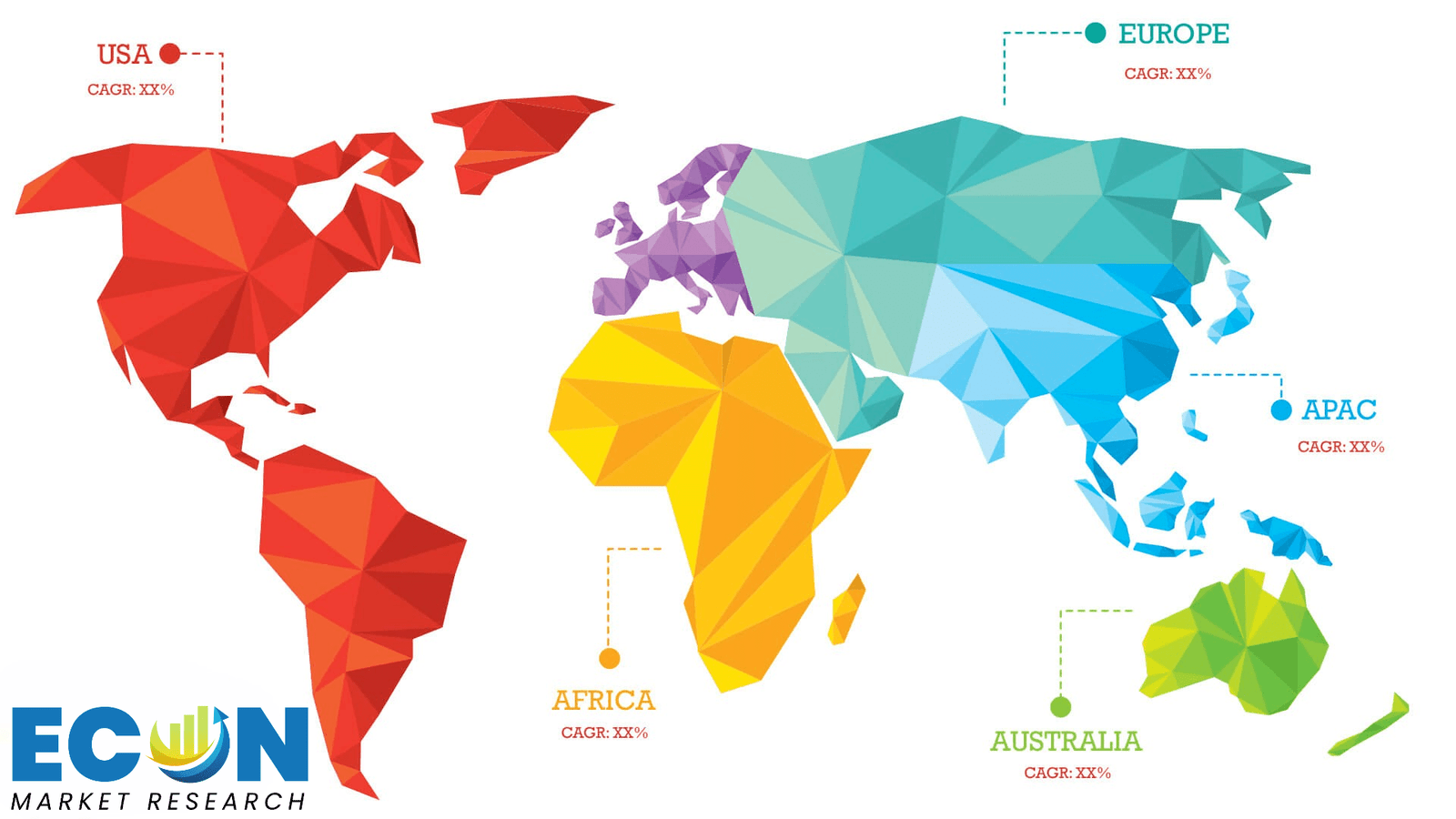
North America holds a prominent position in the market, driven by the presence of established automotive manufacturers and dealerships, coupled with high adoption rates of advanced technology solutions. The region benefits from robust infrastructure and favourable regulatory frameworks, facilitating the widespread implementation of DMS platforms. Similarly, Europe exhibits significant market growth, fuelled by the rapid digitalization of automotive retail operations and the increasing focus on enhancing customer experience and operational efficiency.
The presence of leading automotive OEMs and stringent regulations regarding data security and privacy further accelerate the adoption of DMS solutions in the region. Meanwhile, the Asia Pacific region emerges as a key growth market, propelled by the rising demand for automobiles, expanding dealership networks, and increasing investments in automotive technology infrastructure. Countries such as China, Japan, and India witness surging demand for DMS solutions, driven by the proliferation of automotive retail outlets and the growing sophistication of dealership operations. Moreover, the adoption of cloud-based DMS solutions gains traction in the region, driven by the need for cost-effective and scalable management solutions. Latin America and the Middle East &, Africa region also present growth opportunities for the automotive DMS market, supported by economic development, urbanization, and the mode ization of automotive retail practices.
Automotive Dealer Management System (DMS) Market Competitive Landscape
Leading vendors such as CDK Global, Reynolds and Reynolds, Dealertrack Technologies, and SAP SE dominate the market, leveraging their extensive industry expertise, robust product portfolios, and strategic partnerships to maintain market leadership. These companies focus on product development and innovation, continually enhancing their DMS platforms with advanced features such as artificial intelligence, predictive analytics, and mobility solutions to meet the evolving needs of automotive dealerships. Acquisitions and mergers help companies grow their market share and improve their skills by collaborating with other businesses. Regional companies and new businesses are joining the market, specializing in particular market niches and driving innovation by forcing competitors to adapt.
Automotive Dealer Management System (DMS) Market Leading Companies:
-
CDK Global
-
Reynolds and Reynolds
-
Dealertrack (Cox Automotive)
-
Autosoft
-
DealerSocket
-
Dominion Enterprises
-
Epicor Software Corporation
-
Wipro
-
Oracle
-
Elva DMS
-
Pinewood Technologies
-
Adam Systems
-
BiT Dealership Software
Automotive Dealer Management System (DMS) Recent Developments
- Dec 2022, Tata Motors, in collaboration with Oracle, has successfully transitioned its entire Dealer Management System (DMS) to Oracle Cloud Infrastructure (OCI). This migration promises enhanced operational efficiencies for the automotive giant, offering comprehensive business insights, heightened security measures, improved flexibility, and optimized costs.
Automotive Dealer Management System (DMS) Report Segmentation
| ATTRIBUTE | , , , , DETAILS |
| By Type |
|
| By Application , |
|
| By Geography |
|
| Customization Scope |
|
| Pricing |
|
,
No FAQs available.
Report Details
- Published Date:Apr 7, 2024
- Format:PDF
- Language:English
- Delivery:Instant
Download Sample
Get a free sample report to preview the content and quality.