

Alternative and Complementary Medicine Market
Alternative and Complementary Medicine Market Size, Share, Trends, Growth, and Industry Analysis, By Type (Traditional Alternative Therapeutics (Ayurveda, TCM, Homeopathy), Herbal/Botanical Supplements, Mind andamp; Body Practices (Yoga, Meditation), Body-Based Therapies (Chiropractic, Massage)), By Application (Arthritis andamp; Musculoskeletal, Oncology Support, Neurology andamp; Mental Health), By End User (Hospitals andamp; Specialty Clinics, Wellness Centers andamp; Spas, Homecare), Regional Analysis and Forecast Period 2026-2035
Alternative and Complementary Medicine Market Overview
As per Econ Market Research analysis, the Global Alternative and Complementary Medicine Market generated revenue of US$ 241.7 Billion in 2026 and is forecast to achieve US$ 1585 Billion by 2035, at a CAGR of 23.56% during the study period 2026–2035. The base year considered is 2025.
Alternative and Complementary Medicine Market Size 2025-2035 (USD Billion)

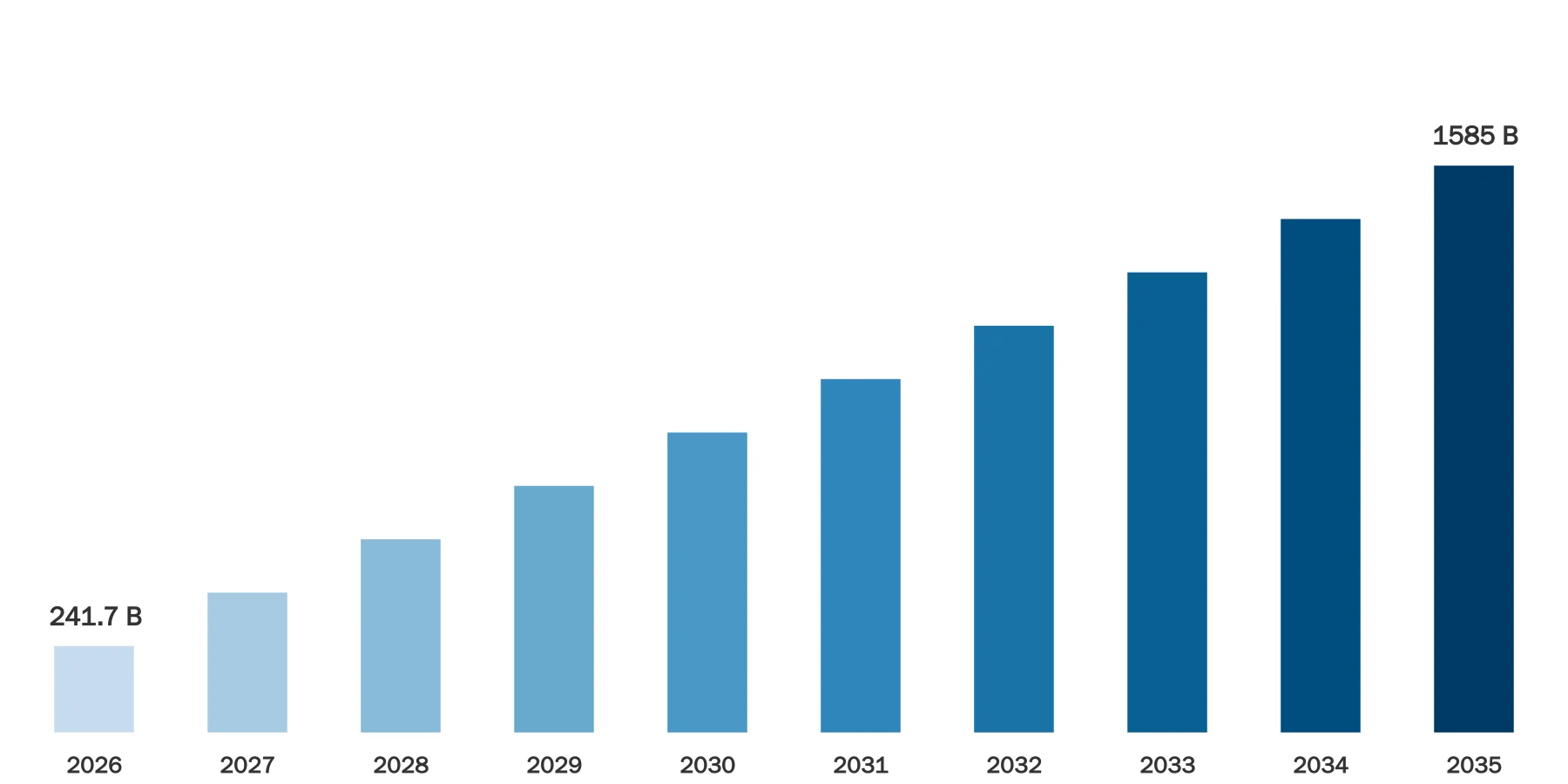
Source: Econ Market Research
Alternative and Complementary Medicine encompasses a wide range of therapies, including acupuncture, chiropractic care, herbal remedies, homeopathy, and naturopathy. ACM is more focused on natural healing techniques, usually on wellness and holistic approaches to health. The market has grown exponentially because of increased consumer interest in natural treatments, rising healthcare costs, and a growing preference for non-invasive therapies.
ACM therapies are fast becoming popular since most people opt for alternative methods instead of taking pharmaceutical drugs, and they look for those which improve general health. Further, growing awareness regarding lifestyle modification and natural remedies is another driving factor for this treatment. Some of the contributing factors include an aging population, the prevalence of chronic diseases, and cultural acceptance. Alternative medicine is slowly integrating into the conventional healthcare system in developed regions like North America and Europe. The market is bound to grow with people seeking alternative medicine for pain management, Mental Health improvement, and general wellness. Challenges include regulation, scientific evidence, and a need for more standardization.
Dynamic Insights
The main drivers are the consumer preference for natural and non-invasive treatments. Most people are nowadays becoming more conscious of the possible side effects and long-term risks that conventional medicines carry, so many are opting for ACM therapies as a safer holistic alternative. This is because chronic diseases have been on the rise, and an aging population has increased the demand for these treatments. People are seeking non-pharmaceutical ways to manage health conditions such as arthritis, back pain, and stress.
Other factors increasing access to ACM practices, including online consultations and natural remedies, also opened up the market. More and more people are taking a wellness-oriented lifestyle with focus on mental as well as physical health, further pushing the growth of the market. Challenges to be addressed include some of the ACM practices lacking sufficient scientific evidence for the practices and also the regulation in this market along with standardization. Despite these challenges, ongoing research, government initiatives promoting integrative health, and the rise of medical tourism for alternative treatments are expected to bolster the ACM market.
Drivers Insights
Rising Consumer Demand for Natural and Non-Invasive Therapies
As people become more aware of the side effects and long-term risks of conventional pharmaceutical treatments, the demand for natural, non-invasive therapies has increased. Alternative and complementary medicine (ACM) practices such as acupuncture, herbal treatments, and chiropractic care are considered safer and more holistic in managing health conditions.
Most patients go for these therapy sessions so they do not suffer from side effects of drugs-based medicines that chemical-based often trigger. More consumer migration into wellness and non-pharmaceutical healing, boost the demand thereby fueling a growth trend of the market. The emergence in chronic problems about pain, stress, and anxieties have deepened demand in seeking different ways without medical prescriptions.
Growing Focus on Preventive Healthcare and Wellness
There is a growing global trend towards preventive healthcare, where individuals are proactively seeking ways to maintain good health rather than just treating illnesses. This shift is closely tied to the increasing adoption of a wellness-oriented lifestyle, which includes stress management, dietary adjustments, and regular physical activity. ACM practices, which emphasize overall well-being and focus on preventing disease through natural means, align well with this trend.
Consumers are becoming more knowledgeable about these practices and are incorporating them into their daily routines to support mental clarity, emotional balance, and physical health. This proactive approach to health is driving the demand for alternative therapies, as people are prioritizing long-term wellness over reactive treatments.
Restraints Insights
Limited Scientific Evidence and Standardization
One of the major challenges facing the ACM market is a lack of scientific evidence which may provide evidence of the effectiveness of many alternative therapies. Although a few others, such as acupuncture and herbal remedies, have been popularized based on anecdotal evidence, there is still limited clinical research to confirm the validity of their claims.
The absence of standardized, rigorous scientific studies may raise skepticism among consumers and healthcare providers toward these therapies. This will hinder broader acceptance of these therapies. Without strong evidence and established efficacy, it is still hard for ACM to be fully integrated into mainstream healthcare systems or recommended by doctors as alternatives to conventional treatments. Additionally, the lack of standardization in treatment protocols and practitioners can lead to inconsistent outcomes and loss of consumer trust.
Regulatory Challenges and Concerns Over Safety
ACM practices often face regulatory hurdles, as they are not always subject to the same rigorous standards and oversight as conventional medical treatments. In many countries, alternative medicine is not well-regulated, leading to concerns over the safety, quality, and efficacy of the products and services offered. The unregulated nature of some alternative therapies means that practitioners may not always be adequately trained, and products such as herbal supplements may vary in quality and potency. These issues raise concerns regarding patient safety, especially when ACM therapies are used alongside conventional treatments. Governments and regulatory bodies are still working to create frameworks that ensure consumer protection while promoting safe and effective use of alternative medicine.
Opportunities Insights
Integration with Conventional Healthcare Systems
The biggest opportunity for the ACM market is in its integration with traditional healthcare systems. In many developed regions, especially in North America and Europe, there is a growing acceptance of complementary medicine, where ACM therapies are used in conjunction with conventional treatments in integrative healthcare models. This allows patients to receive the benefits of both systems, creating a broader market for ACM practices.
Hospitals, clinics, and wellness centers increasingly offer alternatives to conventional treatment with acupuncture, massage, herbal remedies, as well as combining it with modern medicine. While health care structures change, rising acceptance of integrative medicine by mainstream health-care could increase further the demand as well as promote greater market reception of alternative medicines. The combining of ACM into conventional health can also improve more successful patient treatments with a larger selection of medical care options.
Segment Analysis
By Type
By Type segment in the Alternative and Complementary Medicine (ACM) market includes a wide range of therapies that focus on different aspects of healing and wellness. Traditional medicine often involves ancient practices passed down through generations and varies by culture, like Ayurveda in India or Traditional Chinese Medicine. Herbal medicine uses plant-based remedies to treat a variety of ailments, while acupuncture focuses on stimulating specific points on the body to balance energy and relieve pain.
Chiropractic care addresses musculoskeletal issues, particularly spinal misalignments, to improve overall health. Naturopathy emphasizes the body&rsquo,s ability to heal itself using natural remedies and lifestyle changes. Homeopathy is based on the idea of using highly diluted substances to treat specific symptoms, while aromatherapy uses essential oils for physical and emotional well-being.
By Application
By Application, the ACM therapies are classified based on the health concerns they are trying to address. Pain management is one of the most common applications, and alternative treatments are often sought to relieve chronic pain, such as back pain, joint pain, and headaches. Stress and anxiety relief therapies are also in high demand, with practices like Meditation, aromatherapy, and acupuncture being commonly used to reduce stress levels and promote relaxation.
Respiratory and digestive disorders are treated by utilizing herbal and acupuncture methods in order to improve lung and gut health. Various practices have been developed to address musculoskeletal disorders, such as arthritis and other types of muscle aches, utilizing chiropractic care, as well as different physical therapies. Mental health disorders, such as depression and anxiety, benefit most from homeopathy and naturopathy as they work towards emotional and psychological well-being.
By Distribution Channel
By Distribution Channel segment in the ACM market reflects the ways through which alternative medicine products and services are made accessible to consumers. Hospitals and clinics play a major role, particularly in the growing trend of integrative medicine, where conventional and alternative treatments are combined under one roof. Retail pharmacies provide a broad range of over-the-counter herbal products, supplements, and essential oils, making alternative remedies easily accessible to the public.
Online platforms are becoming increasingly popular as e-commerce grows, offering a variety of alternative medicine products, from herbal supplements to educational resources, available at the click of a button. Direct sales, often through independent consultants or wellness experts, involve selling products directly to consumers, bypassing traditional retail methods. This channel is often used for Personal Care products, essential oils, and wellness solutions, providing a more personalized approach to purchasing alternative medicine.
By End-User
By End-User segment in the ACM market is divided based on the primary consumers of alternative therapies. Individuals are the largest end-user group, who seek alternative medicine to manage their health, treat specific conditions, and improve their overall well-being. Many individuals are increasingly turning to ACM therapies to avoid the side effects of conventional medications or because they prefer more natural, holistic treatments.
Healthcare providers, for example, consist of doctors, chiropractors, and naturopaths. This group of individuals incorporates alternative treatments into their own practice, often as standalone interventions or in addition to conventional care. Wellness centers, which place an emphasis on holistic health, fitness, and relaxation, form another important user group. They provide a number of alternative treatments designed to benefit mental and physical health, often within a more treatment-oriented, spa-like environment.
Regional Analysis
In North America, especially the United States and Canada, the concept of integrative healthcare has become increasingly well-accepted with many alternative therapies being combined with mainstream care, including acupuncture, chiropractic care, and herbal medicine. The well-developed infrastructure in healthcare facilities, along with the increasing consciousness among consumers for natural therapies, aids in growing this market in the region. Yet, poor standardization and clinical evidence are obstacles to full acceptance of many ACM practices.
Alternative medicine has been a part of European countries, especially Germany and France, for many years. Its demand is growing because consumers want to use natural and non-invasive treatments for chronic conditions and mental health issues. The regulatory standards in European countries are stricter when it comes to ACM practices. This can both ensure safety but also limit certain types of treatments. The Asia-Pacific region, such as China, India, and Japan, offers a massive market for ACM.
The region also has cultural practices in traditional medicine, including TCM, Ayurveda, and acupuncture, all of which are still strong. Furthermore, there are rising healthcare costs, an aging population, and increased awareness about the potential benefits of alternative therapies in the region. ACM is slowly emerging in Latin America and the Middle East &, Africa due to consumer awareness, a high cost for traditional treatments, and a lack of healthcare access in certain areas. Though these markets are still not at par with North America and Europe, there is an increase in demand for herbal remedies and traditional practices.
Competitive Landscape
The key companies operating in the market are focusing on expanding their product offerings and services in order to capture the growing demand for natural and holistic health solutions. Key companies in the ACM market include traditional medicine manufacturers, herbal supplement brands, and wellness product companies offering a range of products including essential oils, dietary supplements, and homeopathic remedies. Other large pharmaceutical houses are also now coming through the back door of incorporating alt-med options to their available portfolio, so they offer herbal supplements, integrative health solutions, etc.
Wellness centers, spas, and clinics must also be mentioned as part of the competitive environment, as the services they give include acupuncture, chiropractic treatments, and even massage therapy. Many healthcare services are now allowing alternative therapies along with conventional medicines, such that patients can come in for not only conventional therapies but also a holistic approach. In some parts of North America and Europe, medical practitioners are becoming more accepting of alternative therapies and are adding them to the treatment plans for patients. With this change in trend, competition in the market has increased with conventional medical professionals working together with ACM practitioners.
Emerging players in the market are capitalizing on the e-commerce platform to expand their reach. Alternative medicine products and services can now be found online. The companies that are specialized in online sales of herbal products, wellness supplements, and natural health resources are gaining a lot of attention, especially among the consumers who prefer convenience and accessibility. As consumer awareness of alternative medicine continues to rise, competition among market players is expected to intensify, driving innovation in both product offerings and service delivery models. The integration of digital tools and technology into ACM services will also play a crucial role in shaping the competitive dynamics in the coming years.
List of Key Players
Yoga Tree Studios, Inc.
ALCES LLP
Ramamani Iyengar Memorial Yoga Institute
NatureKue
Quantum Touch
Herb Pharm
LKK Health Products Group Limited
Helio USA Inc.
Geriatric &, Medical Companies, Inc.
Columbia Nutritional LLC
Unity Woods Yoga Center
Bikram Yoga
Ayush Ayurvedic Pte. Ltd.
First Natural Brands Ltd.
Amrita Ayurveda and Yoga
Alternative and Complementary Medicine Report Segmentation
Alternative and Complementary Medicine Market Report Scope & Segmentation
| Attributes | Details |
|---|---|
Market Size (Current) | US$ 241.7 Billion in 2026 |
Market Size (Forecast) | US$ 1585 Billion in 2035 |
Growth Rate | CAGR of 23.56% from 2026 to 2035 |
Forecast Period | 2026 – 2035 |
Base Year | 2025 |
Historical Data Available | Yes |
Regional Scope | Global |
Segments Covered | By Type
By Application
By End User
|
Frequently Asked Questions
Common questions about this report
The study period covers historical insights and forecast projections for the period 2026-2035.
About the Author
Market research expert with years of industry experience

Dipali Bhingare serves as the Market Research Director at Econ Market Research. With a focus on translating complex global economic shifts into actionable business intelligence, she oversees the strategic direction of comprehensive market studies. Her work empowers organizations to navigate volatile industries through data-driven forecasting and deep-dive competitive analysis.
Related Reports
Explore more market insights from the same category