

Aircraft Interface Device Market
Aircraft Interface Device Market Size, Share, Trends, Growth, and Industry Analysis, By Connectivity (Wired, Wireless), By Fit (Line Fit, Retrofit), By Aircraft Type (Narrow Body, Wide Body, Very Large, Regional Transport, Business Jet, Fighter Jet, Rotary Wing), Regional Analysis and Forecast Period 2026-2035
Aircraft Interface Device Market Overview
As per Econ Market Research analysis, the Global Aircraft Interface Device Market size amounted to US$ 0.37 Billion in 2026 and is anticipated to grow to US$ 1.57 Billion by 2035, recording a CAGR of 17.38% during 2026–2035. The base year taken for analysis is 2025.
Aircraft Interface Device Market Size 2025-2035 (USD Billion)

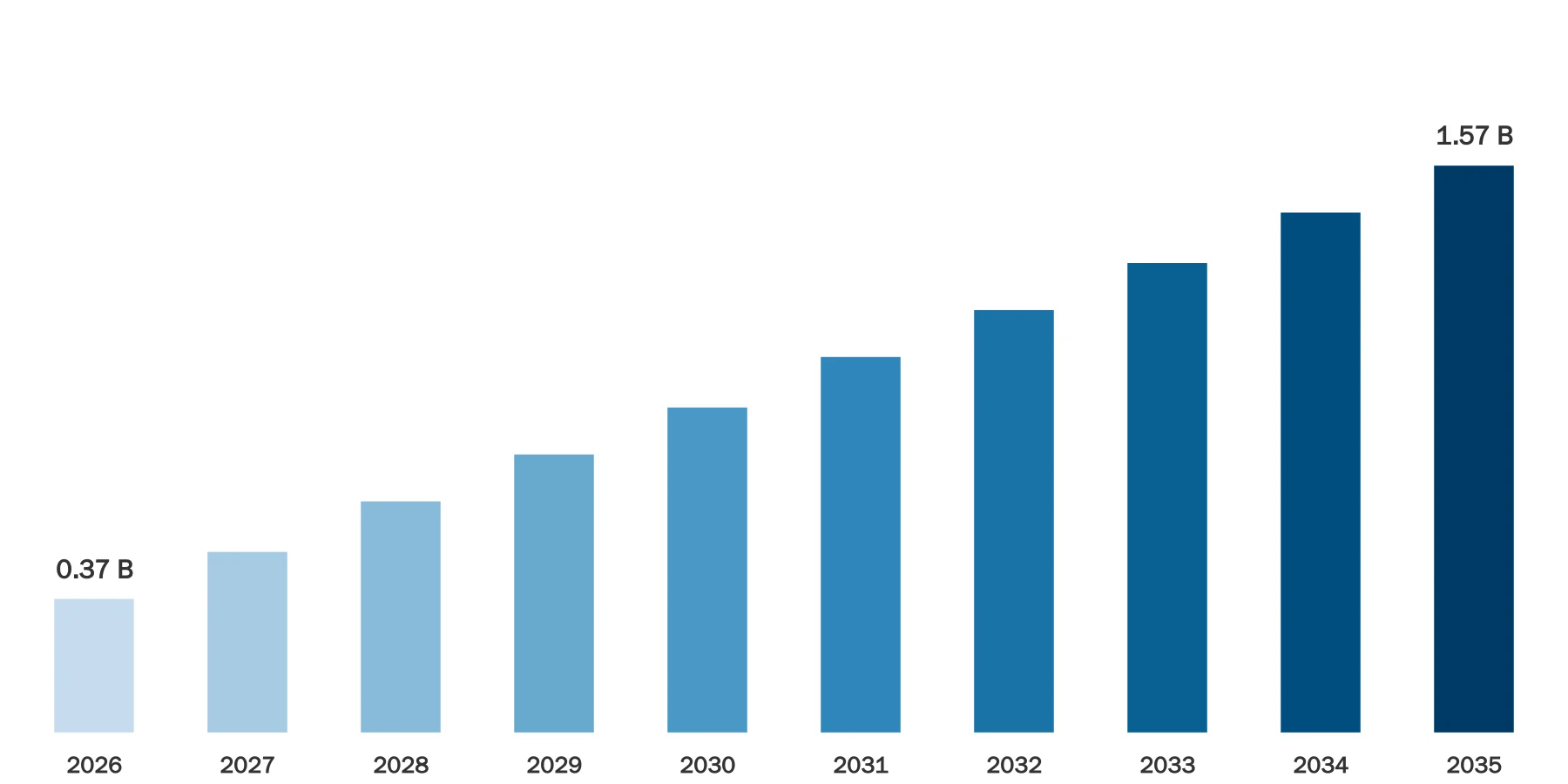
Source: Econ Market Research
Hardware technologies called Aircraft Interface Devices (AIDs) make it possible to link an Electronic Flight Bag (EFB) to the aircraft',s data bus. AIDs enable the retrieval of crucial data from the electronic systems of the aircraft, such as its location and velocity, by interacting with the ARINC 717 and ARINC 429 data buses. Features like automatic flight plan updates and real-time weather data are made possible through this. Modern AIDs improve decision-making by performing rapid data processing and facilitating effective data transmission with ground support personnel. Through applications including rapid access recording, aircraft condition monitoring, and flight tracking, they support fuel efficiency, flight performance, safety, and predictive maintenance.
Market Dynamics
The aircraft interface device market is expected to expand due to rising demand for next generation aircraft and growing use of aviation interface devices. These gadgets are transforming the commercial aviation industry by replacing traditional paper-based charts with portable displays, giving pilots improved access to real-time aircraft data. Airlines can use this to analyse performance metrics, optimise travel scheduling, and cut operational expenses. However, market expansion may be hampered by constraints such as the high implementation costs associated with integrating these devices and the aviation industry',s tight regulatory regulations.
Market Drivers
Demand for new generation aircraft is increasing:
The increasing deployment of aviation interface devices in the most recent commercial aircraft models is driving market expansion, which is being fuelled by increased demand for next-generation aircraft. These devices play an important role in the commercial aviation business by allowing the use of portable displays in cockpits, which replace traditional paper-based charts. This improves pilot access to crucial aircraft data while also offering commercial aircraft maintenance providers with real-time data availability. Furthermore, the availability of real-time data enables airlines to analyse numerous performance measures and optimise trip scheduling, resulting in lower operational expenses.
Growing Interest in Connected Aircraft Solutions:
The market for aviation interface devices is expanding as a result of the rising demand for connected aircraft solutions. To increase operational effectiveness, customer happiness, and safety standards, airlines and operators are actively seeking out innovative connectivity options. Smooth communication and data interchange between avionics systems, satellite networks, and ground-based systems are made possible in large part by aircraft interface devices. This makes it possible to analyse data in real-time and do remote monitoring, giving the industry useful information and better situational awareness.
Restraints
The high implementation costs for aviation interface devices present a barrier to the market',s expansion. It can be expensive to integrate these sensors into new or current aircraft, especially for airlines and operators with sizable fleets. The high cost of installation, integration, and certification can prevent aviation interface devices from being widely used, especially by smaller operators or older aircraft models. Market expansion in this area is hampered by the financial issues associated with deploying AIDs.
The aviation sector is subject to strict regulatory standards and certifications designed to guarantee reliability and safety. Manufacturers and operators struggle to meet these demanding specifications. To comply with regulatory requirements, the implementation of aviation interface devices requires thorough testing, documentation, and validation procedures. For those involved in the industry, this adherence to regulatory standards can be time-consuming and expensive. Particularly for new entrants or smaller firms in the industry, who may find it difficult to traverse and fulfil the rigorous regulatory landscape, market growth in the aviation interface device sector may be hampered.
Opportunities
The market for aviation interface devices offers a number of chances for expansion and innovation. An avenue for market expansion is opened up by upgrades and retrofits for older aircraft, enabling the integration of cutting-edge interface equipment. The industry',s need for real-time monitoring and predictive maintenance capabilities is met by the development of aircraft interface devices geared towards data-driven maintenance practises. Market expansion is possible through satisfying consumer demand for improved passenger experiences through enhanced connectivity and individualised offerings. Another area for improvement is provided by integration technologies that permit smooth communication between aerial and ground-based operations. adoption of aircraft interface devices and associated solutions is also presented by the rise of the aviation sector in emerging markets.
Segment Overview
By Connectivity Type
Market segmentation for aviation interface devices is divided into wired and wireless solutions based on connectivity options. In order to provide dependable and high-bandwidth data flow, wired connectivity uses physical connections through cables or connectors. This kind of connectivity is well-known and frequently applied in aviation systems. While offering flexibility and simple installation, wireless communication makes use of technologies like Wi-Fi, Bluetooth, or satellite networks. Between aircraft systems, ground-based networks, and mobile devices, wireless technologies offer seamless connectivity. The ability to segment the market based on connectivity options enables the development of solutions that are specifically designed to address the various operational requirements, tastes, and aircraft configurations.
By Fit Type
The aviation interface device market is segmented into two categories depending on fit options: line fit and retrofit. Line fit refers to the installation of components during aircraft manufacture to ensure smooth integration. Retrofit options allow existing aeroplanes to be upgraded with interface devices. This section caters to the different needs of manufacturers and operators, offering bespoke solutions for new aircraft production as well as retrofitting, improving connection, data management, and operating efficiency.
By Aircraft Type
The aircraft interface device market is segmented into two categories: civil and military aircraft. Commercial airliners, business jets, and regional aircraft are examples of civil aircraft that require solutions for passenger communication and flight management systems. Military aircraft include fighter jets, cargo planes, and helicopters, all of which necessitate specialised interfaces for mission-critical communications and modern avionics. This segmentation enables manufacturers to provide specialised solutions that match the unique needs and regulations of both the public and military aviation sectors, optimising performance and operating efficiency.
Market Overview by Region
North America dominates the aircraft interface device market, owing to the presence of major aircraft manufacturers such as Boeing and rising demand for commercial airlines. The region',s developing defence industry, which aims to improve transit and surveillance capabilities, contributes to the market growth for aircraft interface devices. North America',s strong market position can be ascribed to its well-established aviation sector, technological developments, and concentration on aerospace innovation. With a strong market share and a favourable regulatory environment, the region provides attractive prospects for makers and providers of aircraft interface devices in both the commercial and defence sectors.
In the aviation interface device market, the Asia-Pacific region provides considerable potential opportunities. With a rapidly expanding aviation industry that is being driven by rising air travel demand and the rise of low-cost airlines, the region presents a vibrant market for innovative interface solutions. Countries such as China, India, and Japan are investing considerably in fleet modernization, which is increasing demand. Furthermore, the region',s growing air cargo activities increase the demand for effective interface equipment. Manufacturers and suppliers have numerous options to meet unique needs while capitalising on the Asia-Pacific aviation industry',s expanding market demand.
Competitive Landscape
On a global scale, the aircraft interface device market is moderately fragmented, with major and medium-sized companies accounting for a sizable part of market revenue. To increase their market presence, these main industry actors are using a variety of techniques such as mergers and acquisitions, strategic alliances, and contract collaborations. Furthermore, they are committed to the constant development, testing, and launch of sophisticated aviation interface device solutions in order to fulfil increasing industry needs and provide clients with more effective solutions.
Key Players
LeasePlan Corporation N.V.
ALD Automotive (Société Générale Group)
Enterprise Holdings, Inc.
Hertz Global Holdings, Inc.
Avis Budget Group, Inc.
Arval BNP Paribas Group
Daimler Mobility AG
Toyota Financial Services Corporation
Volkswagen Financial Services AG
BMW Group Financial Services
Ford Motor Credit Company LLC
Hyundai Capital Services, Inc.
Element Fleet Management Corp.
Athlon Netherlands B.V. (Mercedes-Benz Mobility)
Aircraft Interface Device Market Recent Developments
In September 2020, Universal Helicopters opted for SKYTRAC Systems to digitize crew position and flight reports while also tracking maintenance metrics for their fleet, including the AS350, Bell 206, and Bell 407 aircraft.
In March 2020, SKYTRAC Systems launched SkyForms, a digital solution that converts traditional paper-based processes into customized automated crew and flight reports. This innovative service provides forms compatible with mobile and tablet devices and stores them on the SKYTRAC ISAT200A onboard data acquisition hardware.
Aircraft Interface Device Market Report Scope & Segmentation
| Attributes | Details |
|---|---|
Market Size (Current) | US$ 0.37 Billion in 2026 |
Market Size (Forecast) | US$ 1.57 Billion in 2035 |
Growth Rate | CAGR of 17.38% from 2026 to 2035 |
Forecast Period | 2026 – 2035 |
Base Year | 2025 |
Historical Data Available | Yes |
Regional Scope | Global |
Segments Covered | By Connectivity
By Fit
By Aircraft Type
|
Frequently Asked Questions
Common questions about this report
The study period covers historical insights and forecast projections for the period 2026-2035.
About the Author
Market research expert with years of industry experience

Dipali Bhingare serves as the Market Research Director at Econ Market Research. With a focus on translating complex global economic shifts into actionable business intelligence, she oversees the strategic direction of comprehensive market studies. Her work empowers organizations to navigate volatile industries through data-driven forecasting and deep-dive competitive analysis.
Related Reports
Explore more market insights from the same category