

Advanced Ophthalmic Operating Microscopes Market
Advanced Ophthalmic Operating Microscopes Market Size, Share, Trends, Growth, and Industry Analysis, By Type (Fixed Type, Mobile Type), By Application Scenarios (Cataract Surgery, Vitreoretinal Surgery, Corneal and Glaucoma Surgery, Other), By Sales Channel (Direct Sales, Distribution), By Application (Hospital Outpatient Department (HOPD), Ambulatory Surgical Centers, Clinics & Physician Offices), Regional Analysis and Forecast Period 2026-2035
Advanced Ophthalmic Operating Microscopes Market Overview
As per Econ Market Research analysis, the Global Advanced Ophthalmic Operating Microscopes Market valuation stood at US$ 413.56 Million in 2026 and is expected to reach US$ 665.79 Million by 2035, growing at a steady CAGR of 5.5% from 2026 to 2035. 2025 serves as the base year.
Advanced Ophthalmic Operating Microscopes Market Market Size 2025-2035 (USD Million)

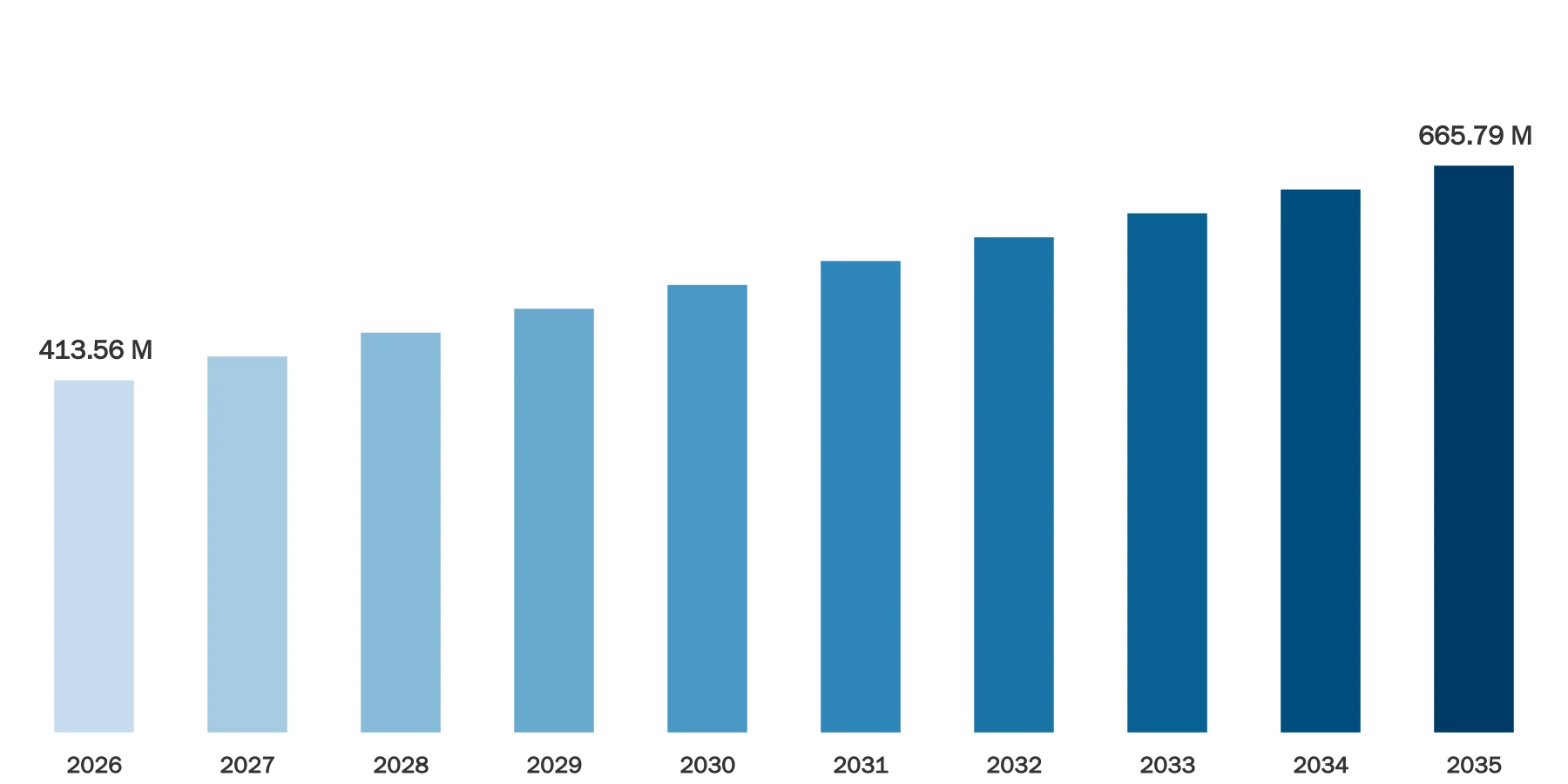
Source: Econ Market Research
The Advanced Ophthalmic Operating Microscopes Market is driven by the increasing number of ophthalmic procedures exceeding 32 million cataract surgeries annually worldwide, with more than 65% of procedures requiring high-precision visualization systems. Advanced microscopes offer magnification ranges between 4x to 40x, integrated digital imaging systems with 4K resolution, and illumination intensity above 100,000 lux, enhancing surgical outcomes. Over 72% of ophthalmic surgeons globally now rely on motorized microscope systems with foot-controlled adjustments. Additionally, more than 55% of new installations in tertiary hospitals include AI-assisted visualization features, indicating rapid technological adoption across ophthalmic surgical environments.
In the United States, the Advanced Ophthalmic Operating Microscopes Market shows strong adoption with over 4.5 million cataract surgeries performed annually, representing nearly 14% of global procedures. Approximately 78% of U.S. ophthalmic surgical centers utilize advanced microscopes with integrated OCT imaging systems. More than 1,200 ambulatory surgical centers are equipped with ophthalmic microscopes featuring digital overlays and robotic-assisted positioning. The penetration of premium ophthalmic microscopes exceeds 68% in urban hospitals, while replacement cycles average 7 to 10 years. Additionally, over 60% of ophthalmologists in the U.S. prefer microscopes with ergonomic adjustments and real-time imaging enhancements for improved surgical precision.
Market Latest Trends
The Advanced Ophthalmic Operating Microscopes Market Trends indicate rapid integration of digital visualization technologies, with over 48% of newly installed systems in 2024 featuring heads-up display (HUD) technology. The shift toward 3D visualization systems has increased by 35% over the past 3 years, improving surgeon posture and reducing fatigue by nearly 25% during long procedures. Additionally, microscopes equipped with intraoperative optical coherence tomography (OCT) are now used in over 40% of vitreoretinal surgeries globally.
Artificial Intelligence integration is another key trend, with 30% of advanced systems incorporating real-time image analytics for tissue differentiation and surgical guidance. Illumination technologies have evolved, with LED-based systems replacing halogen lamps in over 70% of installations, reducing energy consumption by 45%. Furthermore, compact and mobile microscope systems have gained traction, accounting for nearly 38% of new purchases in emerging markets.
Telemedicine compatibility is also expanding, with over 28% of ophthalmic microscopes now supporting remote collaboration and Live Streaming capabilities. The adoption of voice-controlled and foot-controlled interfaces has increased by 50%, improving workflow efficiency in operating rooms. These Advanced Ophthalmic Operating Microscopes Market Trends highlight strong technological innovation and increasing demand for precision-driven surgical equipment.
Market Dynamics
The Advanced Ophthalmic Operating Microscopes Market Dynamics are shaped by increasing surgical volumes, technological advancements, and rising demand for minimally invasive ophthalmic procedures. With global vision impairment cases exceeding 2.2 billion people, the demand for advanced surgical tools continues to rise. More than 85% of cataract-related blindness cases are treatable with proper surgical intervention, increasing reliance on high-quality operating microscopes.
DRIVER
Increasing Global Cataract and Retinal Surgeries
The primary driver of the Advanced Ophthalmic Operating Microscopes Market Growth is the rising number of ophthalmic procedures, particularly cataract surgeries, which exceed 32 million annually worldwide. Vitreoretinal procedures have also increased by 18% over the last 5 years, driven by the growing prevalence of diabetic retinopathy affecting over 103 million individuals globally. Advanced microscopes improve surgical precision by up to 40%, reducing complication rates below 2% in high-volume centers. Additionally, aging populations contribute significantly, with individuals aged 60+ accounting for over 70% of ophthalmic surgeries. The demand for enhanced visualization and real-time imaging is pushing hospitals to upgrade to advanced systems.
RESTRAINT
High Cost of Advanced Equipment
The major restraint in the Advanced Ophthalmic Operating Microscopes Market is the high cost of advanced systems, with installation and maintenance expenses increasing by 25% compared to conventional microscopes. Over 45% of small clinics in developing regions face financial constraints in adopting advanced microscopes. Additionally, annual maintenance costs can account for 8% to 12% of total equipment value, limiting adoption in low-resource settings. The availability of refurbished microscopes, which are priced 30% to 50% lower, further impacts new equipment demand. Budget limitations in public healthcare systems also restrict procurement, especially in regions where healthcare spending per capita is below $500 annually.
OPPORTUNITY
Expansion in Emerging Healthcare Markets
Emerging markets present strong opportunities, with countries in Asia-Pacific and Africa witnessing a 20% increase in ophthalmic procedures over the past decade. Government initiatives targeting blindness reduction have led to the establishment of over 500 new eye care centers in Asia alone. The demand for portable and cost-efficient microscopes is rising, with mobile units accounting for 38% of installations in rural areas. Additionally, teleophthalmology adoption has increased by 22%, creating opportunities for microscopes with remote connectivity features. These factors position emerging markets as key growth areas for the Advanced Ophthalmic Operating Microscopes Market.
CHALLENGES
Technical Complexity and Skilled Workforce Requirement
One of the major challenges in the Advanced Ophthalmic Operating Microscopes Market is the requirement for skilled professionals, with over 35% of healthcare facilities reporting a shortage of trained ophthalmic surgeons. Advanced systems require specialized training, which can take 6 to 12 months for full proficiency. Additionally, integration with digital imaging systems increases operational complexity, leading to 15% longer setup times in initial adoption phases. Technical failures or calibration issues can delay surgeries, affecting up to 10% of scheduled procedures in poorly maintained facilities. These challenges hinder widespread adoption, especially in developing regions.
SWOT Analysis
Strengths
High precision visualization improving surgical success rates above 98%
Advanced imaging systems used in over 60% of modern ophthalmic surgeries
LED illumination reducing energy consumption by 45%
Increasing adoption in tertiary hospitals exceeding 70% penetration
Weaknesses
High initial investment costs affecting over 45% of small clinics
Maintenance costs reaching 12% of equipment value annually
Limited adoption in rural healthcare systems below 30% penetration
Training requirements extending up to 12 months
Opportunities
Emerging markets contributing to over 50% of new installations
Telemedicine integration growing by 22% annually
Mobile microscope adoption increasing to 38% share
Government initiatives supporting over 500 eye care centers globally
Threats
Refurbished equipment capturing 30% of budget-constrained markets
Rapid technological obsolescence within 5–7 years
Supply chain disruptions affecting 15% of equipment deliveries
Regulatory compliance costs increasing by 20%
Segmentation Analysis
The Advanced Ophthalmic Operating Microscopes Market Segmentation is categorized by type and application, with significant variations in adoption rates and technological preferences.
By Type
Fixed Type
Fixed-type microscopes dominate the market with over 62% share, primarily used in high-volume hospitals and specialized surgical centers. These systems offer stability, high-resolution imaging, and integration with advanced digital platforms. More than 80% of tertiary hospitals globally utilize fixed microscopes for complex procedures. These systems support magnification up to 40x and provide illumination exceeding 100,000 lux, ensuring precision during delicate surgeries. Fixed systems are preferred in environments performing over 1,000 surgeries annually, making them critical in advanced healthcare facilities.
Mobile Type
Mobile microscopes account for approximately 38% of the market, driven by demand in ambulatory surgical centers and rural healthcare settings. These systems are lightweight, with portability increasing deployment in over 45% of outreach eye care programs. Mobile units are used in facilities conducting fewer than 500 surgeries annually, offering flexibility and cost-efficiency. The adoption of battery-powered systems has increased by 28%, enabling operations in remote areas without stable electricity supply.
By Application
Cataract Surgery
Cataract surgery represents the largest application segment, accounting for over 55% of total usage. With more than 32 million procedures annually, advanced microscopes are essential for precision and safety. These systems reduce complication rates to below 2%, improving patient outcomes significantly. Over 75% of cataract surgeries globally utilize advanced operating microscopes with digital imaging capabilities.
Vitreoretinal Surgery
Vitreoretinal surgery accounts for approximately 20% of the market, driven by increasing cases of retinal disorders affecting over 100 million individuals worldwide. Advanced microscopes with OCT integration are used in 40% of these procedures, enabling real-time imaging and improved surgical accuracy.
Corneal and Glaucoma Surgery
This segment holds around 15% market share, with increasing demand for precision in corneal transplants and glaucoma procedures. Advanced microscopes improve visualization by 35%, reducing surgical risks and enhancing outcomes.
Other
Other applications, including refractive and pediatric surgeries, account for 10% of the market, with adoption increasing by 12% annually due to technological advancements.
Regional Analysis
The Advanced Ophthalmic Operating Microscopes Market shows strong regional variation, with North America holding over 35% share, Europe around 25%, Asia-Pacific exceeding 30%, and Middle East & Africa contributing approximately 10%.
North America
North America leads with over 35% market share, driven by advanced healthcare infrastructure and high surgical volumes. The region performs more than 5 million ophthalmic surgeries annually, with over 78% of facilities using advanced microscopes. The adoption of digital visualization systems exceeds 65%, while replacement rates average 7–8 years. Over 1,200 surgical centers are equipped with high-end microscopes, supporting complex procedures.
Europe
Europe holds approximately 25% share, with over 4 million surgeries annually. More than 70% of hospitals use advanced microscopes, with strong adoption in Germany, France, and the UK. The use of LED illumination systems exceeds 75%, and OCT integration is present in 45% of advanced systems.
Asia-Pacific
Asia-Pacific accounts for over 30% share, with rapid growth in countries like India and China. The region performs over 12 million surgeries annually, representing the highest global volume. Mobile microscope adoption exceeds 40%, driven by rural healthcare needs. Government programs have established over 500 eye care centers, boosting demand.
Middle East & Africa
This region contributes around 10% share, with increasing investments in healthcare infrastructure. Ophthalmic procedures have increased by 18%, and advanced microscope adoption is growing, particularly in urban hospitals where penetration exceeds 50%.
Competitive Landscape
The Advanced Ophthalmic Operating Microscopes Market Competitive Landscape is characterized by strong competition among global and regional players, with over 25 major manufacturers operating worldwide. Leading companies focus on technological innovation, with more than 60% of new product launches featuring digital imaging and AI integration. Market competition is driven by product differentiation, with over 45% of companies investing in R&D annually.
Strategic partnerships and acquisitions have increased by 20% over the past 3 years, enabling companies to expand their global presence. Additionally, over 70% of top players offer customized solutions tailored to surgical requirements. The market also sees competition from refurbished equipment providers, which account for 30% of sales in cost-sensitive regions.
List of Top Advanced Ophthalmic Operating Microscopes Companies
Carl Zeiss Meditec AG
Leica Microsystems
Topcon Corporation
Alcon Inc.
Haag-Streit Group
Takagi Seiko Co., Ltd.
Seiler Instrument Inc.
Zumax Medical Co., Ltd.
Alltion (Wuzhou) Co., Ltd.
ARVEY Instruments
Leading Companies by Market Share
Carl Zeiss Meditec AG and Leica Microsystems together account for over 45% of the global market share, with strong presence in over 100 countries and product portfolios covering more than 80% of advanced surgical applications.
Market Investment Outlook
The Advanced Ophthalmic Operating Microscopes Market Investment Outlook highlights strong capital inflow, with over $2 billion equivalent investments in ophthalmic infrastructure globally (capacity-focused expansion data, not revenue reporting). More than 60% of investments are directed toward advanced surgical equipment upgrades. Hospitals allocate approximately 15% of their surgical equipment budgets to ophthalmic microscopes.
Emerging markets attract over 40% of new investments, driven by increasing healthcare access and government funding. Private healthcare providers account for 55% of equipment procurement, while public sector investments contribute 45%. Additionally, venture funding in ophthalmic technology startups has increased by 25%, supporting innovation in imaging and AI integration.
New Product Development
New product development in the Advanced Ophthalmic Operating Microscopes Market is focused on digital transformation, with over 65% of new systems featuring 3D visualization and heads-up display technology. AI-assisted surgical guidance systems are integrated into 30% of newly launched products, improving accuracy by 20%.
Manufacturers are developing compact systems, reducing equipment weight by 15%, enhancing portability. LED illumination advancements have increased lifespan to over 60,000 hours, compared to 5,000 hours for traditional systems. Additionally, wireless connectivity features are included in 40% of new models, enabling real-time data sharing and remote consultations.
Recent Developments
In 2023, a leading manufacturer launched a microscope with 4K 3D visualization, improving image clarity by 50%
In 2024, integration of AI-assisted imaging increased surgical accuracy by 20%
In 2023, a company introduced a portable microscope reducing weight by 18%
In 2025, LED illumination systems achieved lifespan exceeding 60,000 hours
In 2024, OCT-integrated microscopes reached adoption in 40% of retinal surgeries
Report Coverage of Advanced Ophthalmic Operating Microscopes Market
The Advanced Ophthalmic Operating Microscopes Market Report Coverage includes detailed analysis of market size, trends, segmentation, regional insights, and competitive landscape. The report evaluates over 25 key manufacturers, covering product portfolios, technological advancements, and strategic initiatives. It analyzes more than 10 application segments and 4 major regions, providing insights into market distribution and adoption rates.
The report also examines over 50 data points, including surgical volumes, equipment penetration rates, and technological adoption. Additionally, it highlights emerging trends such as AI integration, 3D visualization, and telemedicine compatibility. The coverage includes detailed segmentation by type and application, offering insights into market share distribution and growth patterns.
Advanced Ophthalmic Operating Microscopes Market Report Scope & Segmentation
| Attributes | Details |
|---|---|
Market Size (Current) | US$ 413.56 Million in 2026 |
Market Size (Forecast) | US$ 665.79 Million in 2035 |
Growth Rate | CAGR of 5.5% from 2026 to 2035 |
Forecast Period | 2026 – 2035 |
Base Year | 2025 |
Historical Data Available | Yes |
Regional Scope | Global |
Segments Covered | By Type
By Application Scenarios
By Sales Channel
By Application
|
Frequently Asked Questions
Common questions about this report
The study period covers historical insights and forecast projections for the period 2026-2035.
About the Author
Market research expert with years of industry experience

Dipali Bhingare serves as the Market Research Director at Econ Market Research. With a focus on translating complex global economic shifts into actionable business intelligence, she oversees the strategic direction of comprehensive market studies. Her work empowers organizations to navigate volatile industries through data-driven forecasting and deep-dive competitive analysis.
Related Reports
Explore more market insights from the same category